Written scope
What we install and where it goes.
Battery Backup Sump Pump Installation in Naples gives your home a second line of defense against storm-driven flooding. When a summer squall or hurricane knocks out power, your primary pump stops, but our battery-operated sump pump installation in Naples keeps water moving out of the pit. We size the battery, wire the charger, and test the whole system before we leave. If you live in Collier County and your basement has ever taken on water after a storm, this is the upgrade that ends the worry.
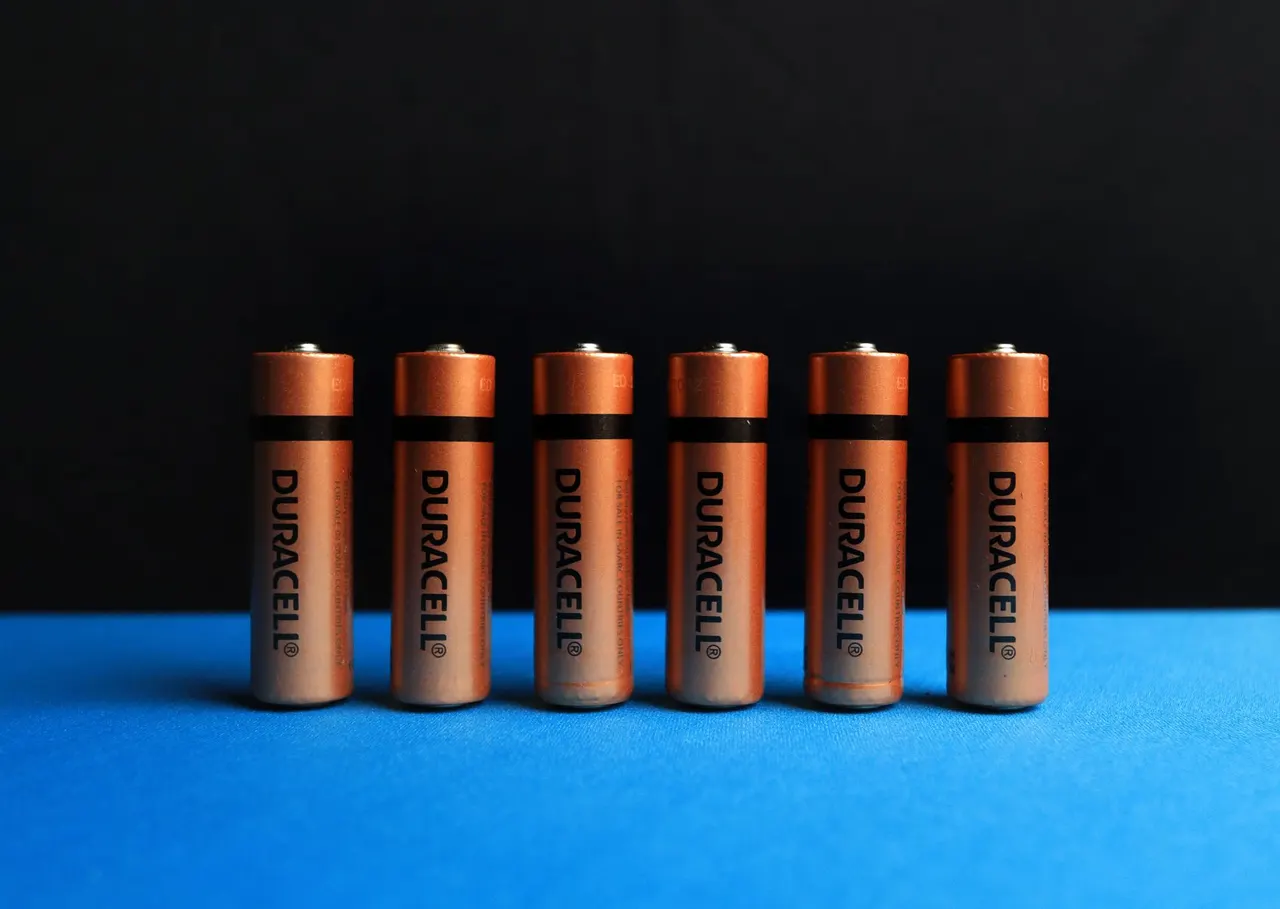
Every install is different, but most jobs include the same core parts. Here is what you get when we set up a battery backup in your Naples home.

We install battery backup pumps for homeowners who have seen the pit fill during a storm. The system runs on a deep-cycle battery and engages automatically when the water rises past the primary pump's trip point.
We install battery backup pumps for property managers and business owners who cannot afford water damage. The system protects storage rooms, utility areas, and lower levels during outages.
Battery Backup Sump Pump Installation in Naples is the process of adding a second, battery-powered pump alongside your primary sump pump so your basement keeps draining when the power goes out. We set a deep-cycle battery and charger next to the sump basin, mount the backup pump on a bracket above the primary, and run a separate discharge line with its own check valve. A float switch triggers the backup only when the water rises past the primary's trip point. The whole job usually takes three to five hours, and we test the system by dumping water into the pit until the backup kicks on.
Naples sits on a high water table, and from June through November the afternoon storms can drop two inches of rain in an hour. If your primary pump loses power during one of those events, the pit fills fast. That is why so many homeowners ask for battery backup sump pump setup Naples FL after their first close call. We also see it in older East Naples and Bayshore homes where the sump basin is undersized for the volume of water a tropical system pushes in. A backup pump buys you hours of protection, not minutes.
A second pump on battery power keeps the pit empty when the grid goes down.
We keep the job simple and predictable. Here is exactly what happens from the first call to the final test.

We ask about your existing pump, the size of your sump basin, and whether you have ever lost power during a storm. You get a ballpark range on the call, usually $650 to $1,200 depending on battery size and discharge routing. If you want a firm number, we schedule a free on-site look.
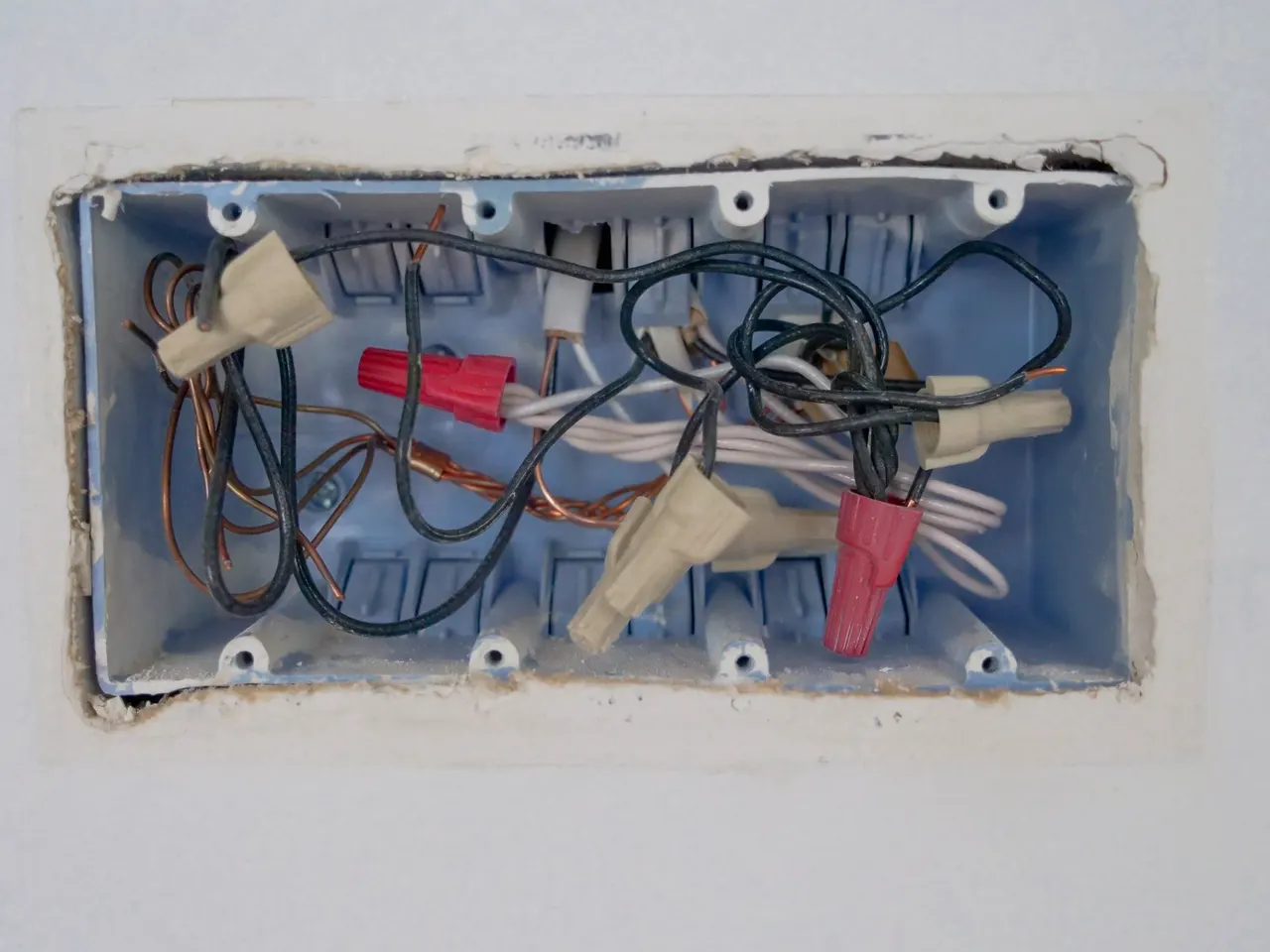
A technician checks the primary pump, the float switch, the check valve, and the discharge line. We measure the basin depth and the height the water has to be pushed. We also look at where the battery and charger will sit, and whether we need a new dedicated circuit. This takes about 30 minutes.
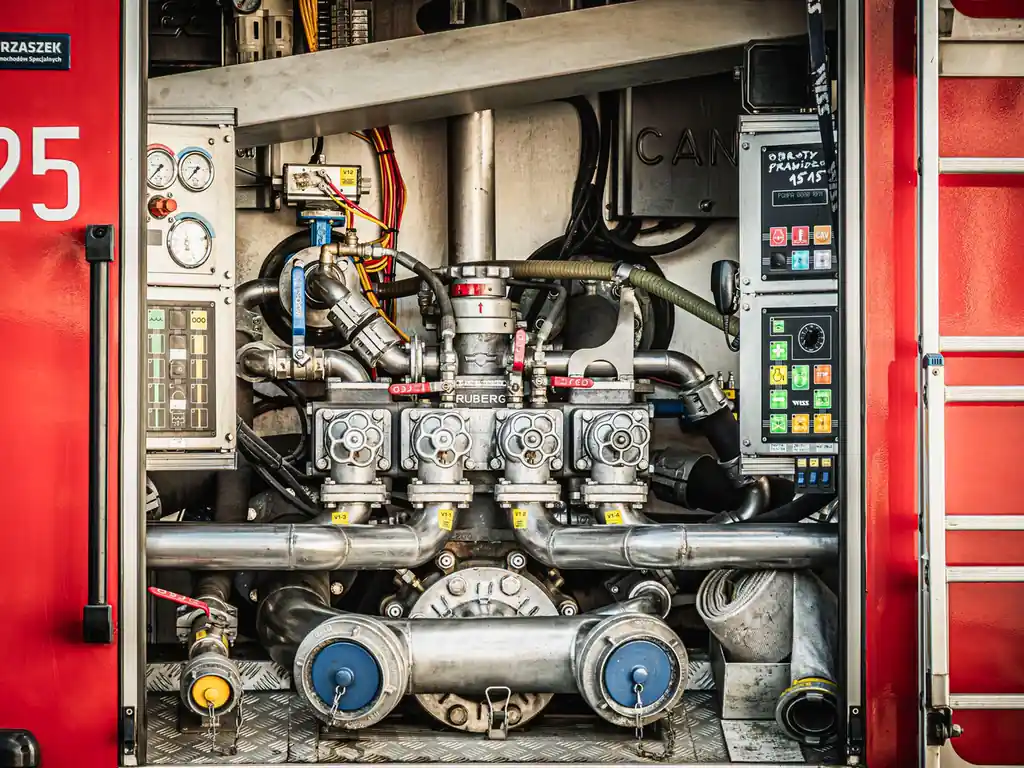
We match the backup pump to your basin and the battery to the pump's draw. A 1/3 HP backup with a Group 27 deep-cycle battery handles most Naples homes. For larger pits or crawl spaces, we step up to a 1/2 HP unit and a bigger battery. You get the spec sheet before we start.
We mount the backup pump above the primary, install a separate discharge line with its own check valve, and wire the charger to a dedicated outlet. The battery goes on a shelf or floor mount, clear of the water line. Most jobs take three to five hours. We protect the floor and clean up before we leave.
We fill the pit with water until the backup float trips and the pump runs. You watch it cycle. We show you how to test the battery monthly and what the alarm sounds like when the battery is low. Then we hand you the paperwork and you are done.

We stock these two brands on the truck because they hold up in Naples heat and humidity. Both come with cast-iron housings and sealed float switches that resist debris.
These are the two battery sizes that cover most Naples homes. We match the battery to the pump's amp draw so you get 7 to 10 hours of run time, not 2.
We use brass instead of plastic on the backup discharge line. Brass handles the heat and does not crack. It also seals tighter, so water does not cycle back into the pit.

Schedule 40 PVC is the standard for discharge lines in Florida. It handles the flow, resists UV, and does not corrode. We route it with proper slope to daylight or a dry well.

A float-activated alarm sits in the pit above the backup's trip point. If both pumps fail, it sounds before the water reaches the floor. It is a cheap add-on that buys you time.

We load-test every battery before and after install. A battery that reads 12 volts can still fail under load. The tester tells us whether it will actually run the pump.

If your basin is cracked or unlined, we install a liner before setting the pumps. It keeps groundwater from seeping in from the sides and reduces how hard the pumps have to work.
We never tie the backup into the primary's discharge line. Each pump gets its own line and check valve. That way, if one line clogs, the other still works. It is the single most important part of a reliable backup system.
We install a battery backup sized to your pit and water volume. If your primary pump is undersized, we upgrade it at the same time. The backup runs on a deep-cycle battery for up to 10 hours. Your basement stays dry through the next outage. You stop checking the weather app every time a storm forms.
We install a battery backup and provide the paperwork for the inspection. The system is tested under load and the discharge line is code-compliant. We can usually complete the job within a week of your call. The inspection clears, the buyer is satisfied, and you close on time without a price reduction for water risk.
We add a battery backup and service the primary pump at the same time. That includes a new float switch, a check valve inspection, and a pit cleaning. Both pumps are tested together before we leave. The primary gets a break, the backup handles the overload, and you avoid an emergency replacement in the middle of a storm.
We install a battery backup with a high-water alarm and a sealed float switch. The alarm gives the tenant a warning, and the backup gives you hours of protection. We handle the permit and inspection. The tenant stays dry, you avoid a mold claim, and the property keeps its rental value. You get the paperwork for your records.
Naples has a high water table and a storm season that runs from June through November. That combination means your sump pump works harder than it would in most parts of the country. During a tropical system, the pit can fill faster than a single pump can move water, and if the power goes out, the primary pump stops entirely. That is why battery backup sump pump installation in Naples, Florida is not a luxury. It is the difference between a dry basement and a $5,000 remediation bill. We size every system for the water volume your pit actually sees, not a generic spec sheet. If you are searching for the best battery backup sump pump for Naples storms, we will tell you straight: a 1/3 HP unit with a Group 27 battery handles most homes, but crawl spaces and deep pits need a 1/2 HP unit and a Group 31 battery. We also check your discharge line routing, because a clogged line will take down both pumps. Our trucks carry Zoeller, Wayne, Little Giant, and Liberty Pumps units, so we can usually finish the job in one visit. We pull permits when required and test every system under load before we leave.
A homeowner in Old Naples had a primary pump with no backup. A storm knocked out power for nine hours, the pit overflowed, and the basement took on two inches of water. The carpet and drywall had to be replaced, and mold set in within 48 hours.
We installed a 1/3 HP battery backup with a Group 27 battery and a dedicated discharge line. The system was tested under load three times. Two outages later, the pit has stayed dry both times. The backup ran for six hours during the second outage without missing a beat.
Test the battery monthly by pressing the test button on the charger. Replace the battery every four years. We recommend an annual tune-up before storm season to check the float switch and clear the pit.
A Pelican Bay home had a primary pump that ran nonstop during the rainy season. The float switch was failing, and the pump was overheating. The homeowner knew it would quit during the next storm but did not know what to replace it with.
We replaced the float switch, cleaned the pit, and added a battery backup sized to the basin. The primary now cycles normally, and the backup handles the overload during heavy rain. The pump has run for two storm seasons without a failure.
Check the float switch every three months for debris. Flush the discharge line each spring to clear sediment. We load-test the battery during the annual tune-up and replace it at the four-year mark.
A property manager in North Naples had two rental units with flooded basements from failed pumps. Tenants reported water after a power outage, and the cleanup cost $4,000 per unit. The owner wanted a solution that would not require a service call every storm.
We installed battery backups with high-water alarms in both units. The alarms warn tenants before the water reaches the floor, and the backups run for up to 10 hours. Two years later, there have been zero water calls. The permits and inspections were handled by our team.
Tenants test the alarm monthly by lifting the float. We service both systems each spring, load-test the batteries, and replace them every four years. The property manager gets a written report after each visit.
Most of our calls start with the same story: the power went out, the pit filled, and the floor got wet. Here is what we fix.
We install a battery backup that runs on a deep-cycle battery for 7 to 10 hours. It engages automatically when the water rises past the primary's trip point. You do not have to be home for it to work. The pit fills in 20 to 40 minutes during a heavy storm, and water reaches the floor before the grid comes back. You are looking at wet carpet, ruined storage, and a mold problem within two days.
We load-test every battery and replace worn float switches before they fail. Our installs include a high-water alarm so you get a warning before the pit overflows. We also show you how to test the system monthly. A dead battery or corroded float switch means the backup does nothing when you need it most. You only find out when the water is already on the floor. That is the worst time to discover a problem.
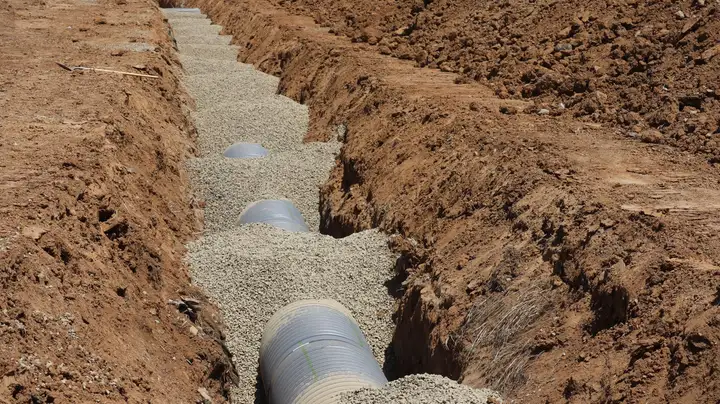
A battery backup adds a second pump to the pit. When the primary falls behind, the backup kicks in and doubles your pumping capacity. We size both pumps to your water volume so they can handle a storm. During a tropical system, a single pump cannot keep up with the volume. It runs nonstop, overheats, and shuts down. Then the water wins. This is common in low-lying parts of East Naples and Bayshore.
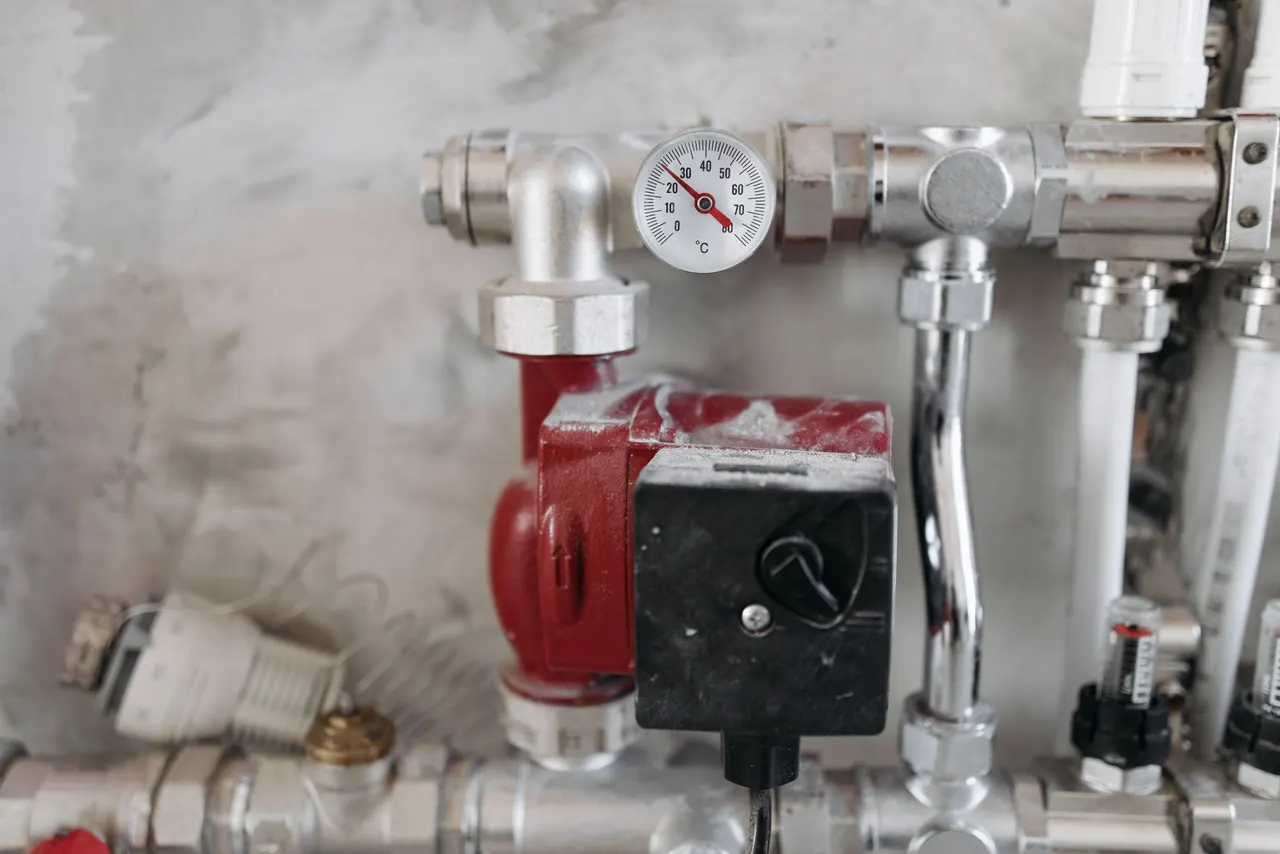
We run a dedicated discharge line for the backup with its own check valve. If the primary line clogs, the backup still has a clear path out. We also inspect and clear both lines during the install. If the discharge line clogs with debris or freezes, neither pump can move water. The pit fills, the pumps burn out, and you are left with a flooded basement and a repair bill for two pumps.
When a storm knocks out power for six hours, your primary pump is dead. A battery backup keeps the pit empty the whole time. We size the battery to run 7 to 10 hours of continuous pumping, which covers most Naples outages. That is the difference between a dry slab and a flooded one.
Naples sits on a high water table, so water keeps seeping into the pit even after the rain stops. A battery-operated sump pump installation Naples setup runs on demand, cycling as needed. It does not care whether the grid is up. Your basement stays dry through the whole storm cycle.
Standing water in a basement or crawl space breeds mold within 24 to 48 hours. Remediation in Naples typically runs $2,000 to $6,000. A backup pump costs a fraction of that. It keeps the slab dry so you never have to deal with the smell, the demo, or the insurance claim.
During heavy rain, a single pump cycles constantly and wears out fast. A backup shares the load and gives the primary a rest. We have seen primary pumps last three to four years longer when paired with a properly sized backup. That is real money saved on replacement.
Most battery backup sump pump installation in Naples runs $650 to $1,200 in 2026, including the pump, battery, charger, and a dedicated discharge line. If you already have the wiring and just need a swap, the price can land closer to $500. If you need a new electrical circuit or a larger basin, expect to pay more. We give you a firm number after we see the pit. No hidden fees, no surprise add-ons. The cost of battery backup sump pump installation Naples FL homeowners pay is a fraction of what a flooded basement costs to fix.
What your estimate is based on
$500 - $1,200 depending on scope A flooded basement in Naples costs $2,000 to $6,000 to dry out and repair, plus the cost of replacing ruined belongings. A battery backup costs a fraction of that and protects your home for years. It is the cheapest insurance you can buy against storm-season water damage.
Clear records you can keep and share.
What we install and where it goes.
Load test and pump cycle verification.
How to test and when to replace.
A battery backup only works if it has its own discharge line and check valve. If it shares a line with the primary pump, the two will fight and neither will move water properly.
Each pump needs its own line and check valve. That way, if one line clogs, the other still works.
The backup float sits higher than the primary's trip point. The primary runs first and the backup only engages when the water rises past it.
A deep-cycle battery lasts three to five years in Naples heat. Test it monthly and replace it at the four-year mark.
Outside these areas? Call and ask, we may still cover you. +12395220157
Still wondering? +12395220157
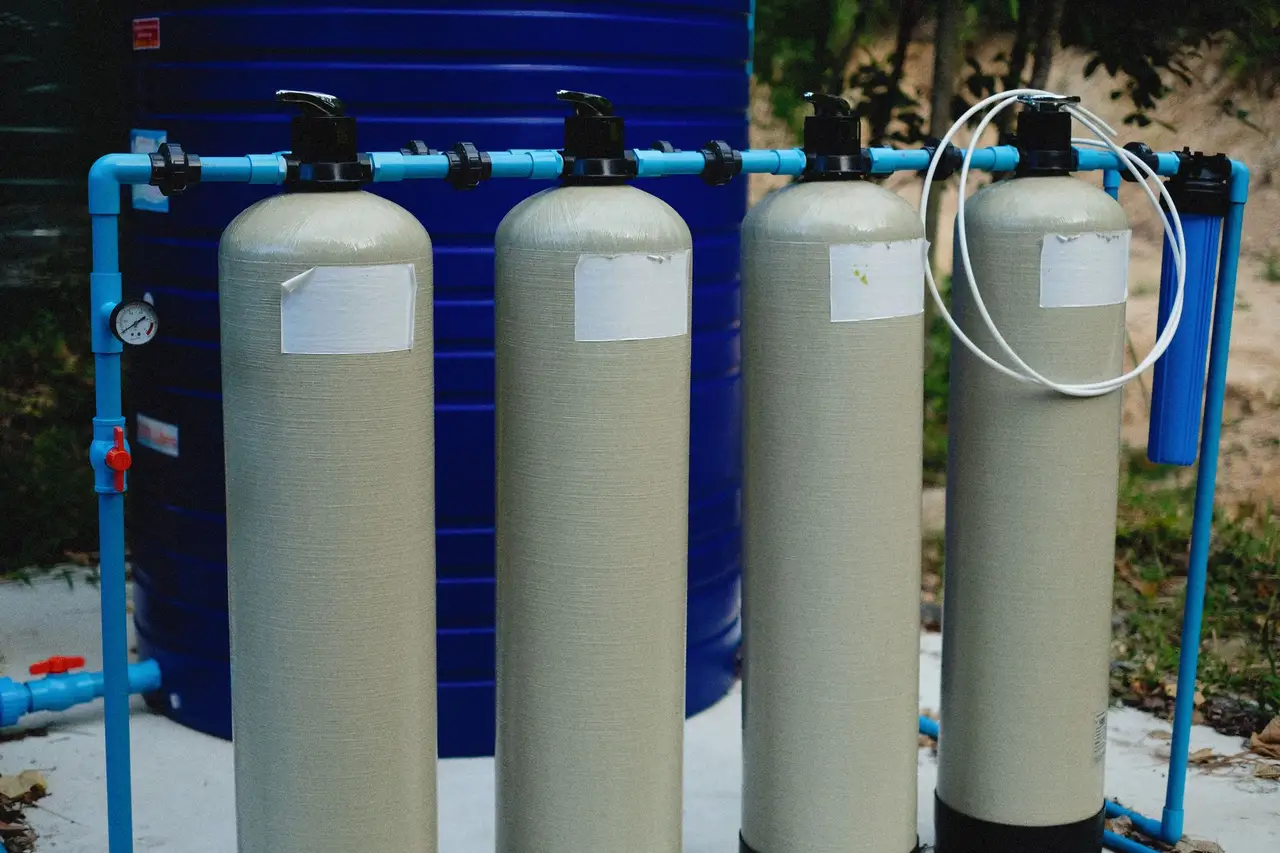
A deep-cycle battery lasts 3 to 5 years in Naples heat, and the pump itself runs 7 to 10 years. The battery is the part that wears out first. High summer temperatures in a garage or crawl space speed up the aging. We recommend testing the battery every month and replacing it at the four-year mark, even if it still holds a charge.
Most installations run $650 to $1,200 in 2026, including the pump, battery, charger, and a new discharge line. If you need a dedicated electrical circuit or a larger basin, the price goes up. A basic swap where you already have the wiring can land closer to $500. We give you a firm number after we see the pit.
For most Naples homes with a standard 18-inch basin, a 1/3 HP backup pump with a Group 27 deep-cycle battery is the right call. If your pit is deeper than 24 inches or you have a crawl space, step up to a 1/2 HP unit and a Group 31 battery. We measure your pit and check your primary pump's output before we recommend a size.
You can, but the tricky parts are the separate discharge line and the check valve. If the backup shares a line with the primary, the pumps fight each other and neither works right. We see that mistake often. We run a dedicated line with its own check valve, wire the charger to code, and test the whole system under load.
Storm season does not wait, and neither should you. Call Naples Sump Pump Pros at +1 239-522-0157 for a same-day estimate on battery backup sump pump installation in Naples. We are a Florida licensed plumbing contractor serving all of Collier County. One call, one visit, one dry basement.
Call us at +1 239-522-0157 or email [email protected]. We answer the phone during business hours and dispatch emergency calls after hours. Same-day estimates are available for most of Naples and Collier County. If you are not sure whether you need a repair or a full install, describe what you are seeing and we will tell you straight.