Written scope
Pit depth, pump size, and discharge route
Sump Pump Installation in Naples is the fastest way to stop groundwater from pooling under your home. We size the basin, set the pump, and run a code-correct discharge line the same day for most Collier County homes. Whether you need a sump pump setup Naples homeowners trust for crawl spaces or a full new system after a failure, we handle the whole job from pit to pipe.
Every installation we do covers the full path from the pit to the discharge point. What changes from home to home is the pit depth, the pump size, and how far the discharge line has to run. Here's what's in a standard job.
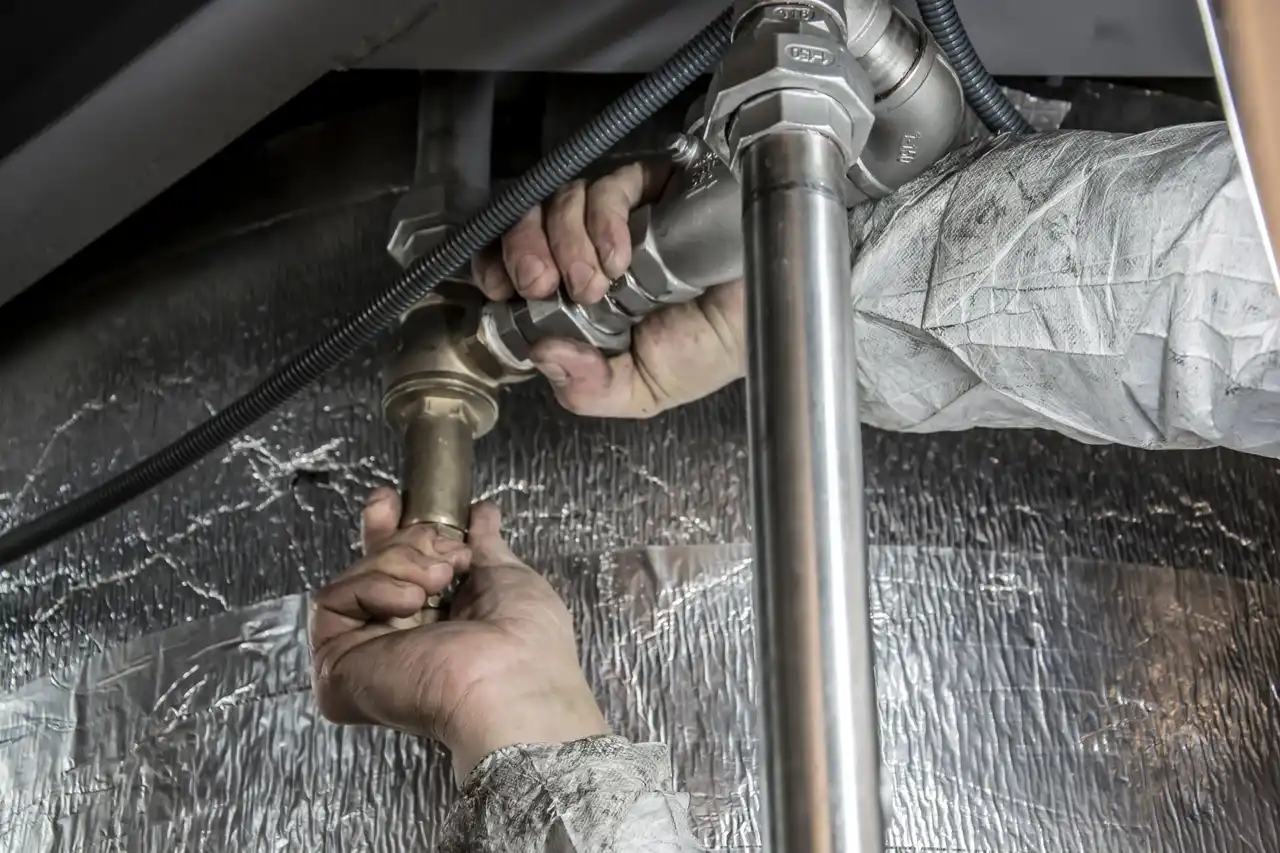
We install sump systems in crawl spaces and basements across Naples, from Old Naples to North Naples. Every job starts with a walk-through so we can size the basin and pump to your actual water volume.
We install and service sump systems for property managers, landlords, and small commercial buildings in Collier County. We work around tenants and schedule around your business hours.
Sump Pump Installation in Naples is the process of cutting a basin into the lowest point of your crawl space or basement, setting a submersible or pedestal pump inside it, and piping the discharge to a point where water can't run back. We core or break the slab, dig the pit, line it with a sump basin liner, bed it in gravel, then set the pump on a solid base so grit never jams the impeller. A check valve goes on the discharge line so water can't drain back into the pit after each cycle.
Naples sits on a high water table and a rainy season that dumps most of its rain between June and October. When the ground is already saturated, water finds the lowest point in your foundation and stays there. That's why a sump pump setup Naples homeowners rely on has to be sized for volume, not just for a trickle. If you've been searching for sump pump installation near me Naples and keep finding thin quotes, we'll walk the crawl space with you and show you exactly where the water is coming in.
A sump pump is only as good as the pit it sits in.
Every job follows the same five steps, whether it's a simple swap or a full new pit. Here's what you'll see from the day we arrive to the day we hand the system back to you.
We start by walking the crawl space or basement with you and finding the true low point. We measure the water table height, check for existing drain pipe, and note where the discharge can legally exit. This takes 20 to 30 minutes and tells us the basin size and pump horsepower you actually need.
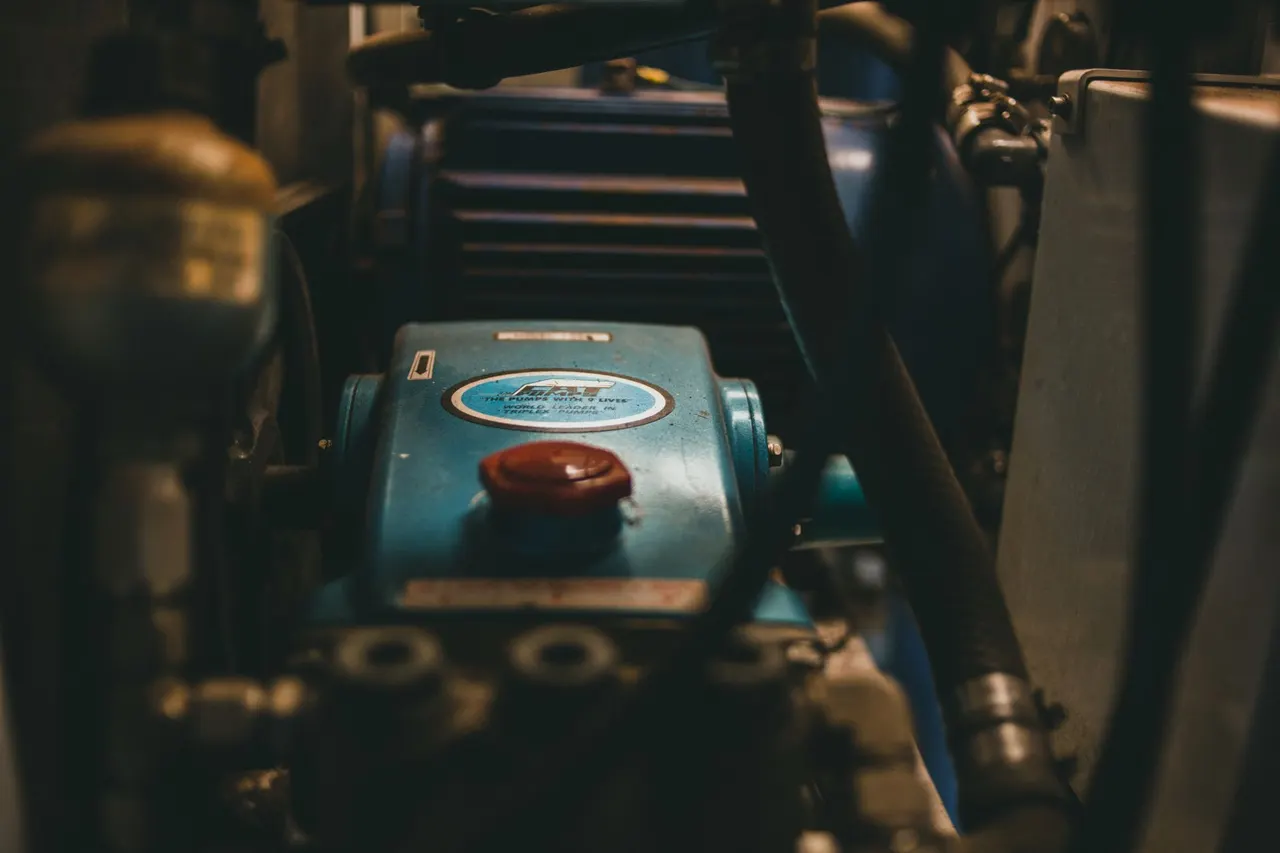
We cut the slab or liner, dig the pit to depth, and set a sump basin liner bedded in gravel. The gravel keeps grit out of the pump and gives the basin a stable base. For a standard crawl space pit, this step runs two to three hours.
We set the submersible or pedestal pump on a solid base, mount the float switch at the right trip height, and wire it to a dedicated circuit that meets NEC electrical code. We test the float by hand before we ever fill the pit with water.
We run PVC discharge pipe from the pump to the exterior, install a check valve near the pump, and slope the line so it drains completely. If the line has to exit through a wall, we seal the penetration and add a gasket so no water tracks back inside.
We fill the basin with water and watch the pump cycle three full times. We check for leaks at every joint, confirm the check valve holds, and set the sump pump alarm if you added one. Then we show you the float, the breaker, and the backup switch so you know what to look at.
Sits inside the basin and pushes water up and out. Runs quieter than a pedestal pump and handles sandy water better, which matters in Naples crawl spaces.

Stands above the basin with the motor out of the water. Easy to service and a good fit for shallow pits where a submersible won't fit.
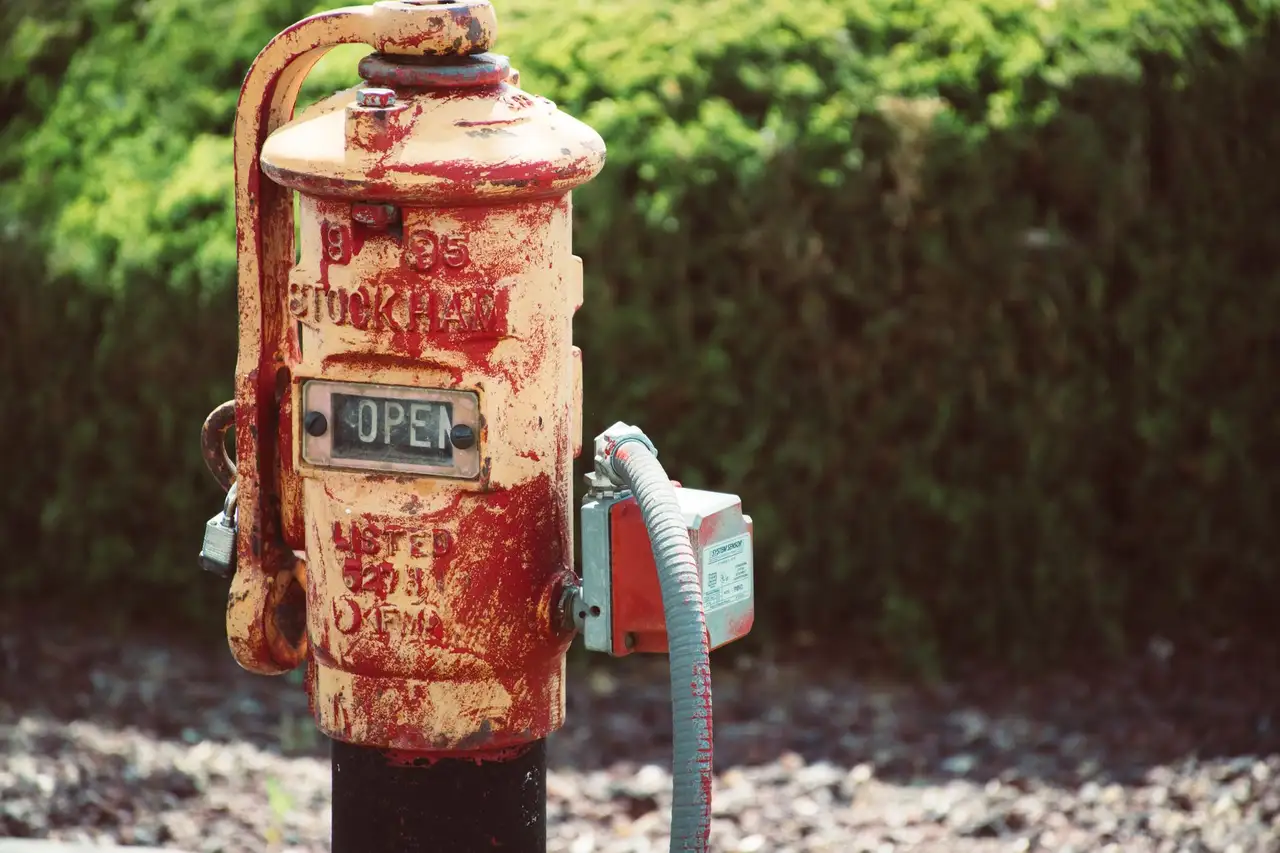
Triggers the pump when the water hits a set level. We test every switch by hand before we fill the basin, because a stuck float is the most common reason a pump won't run.
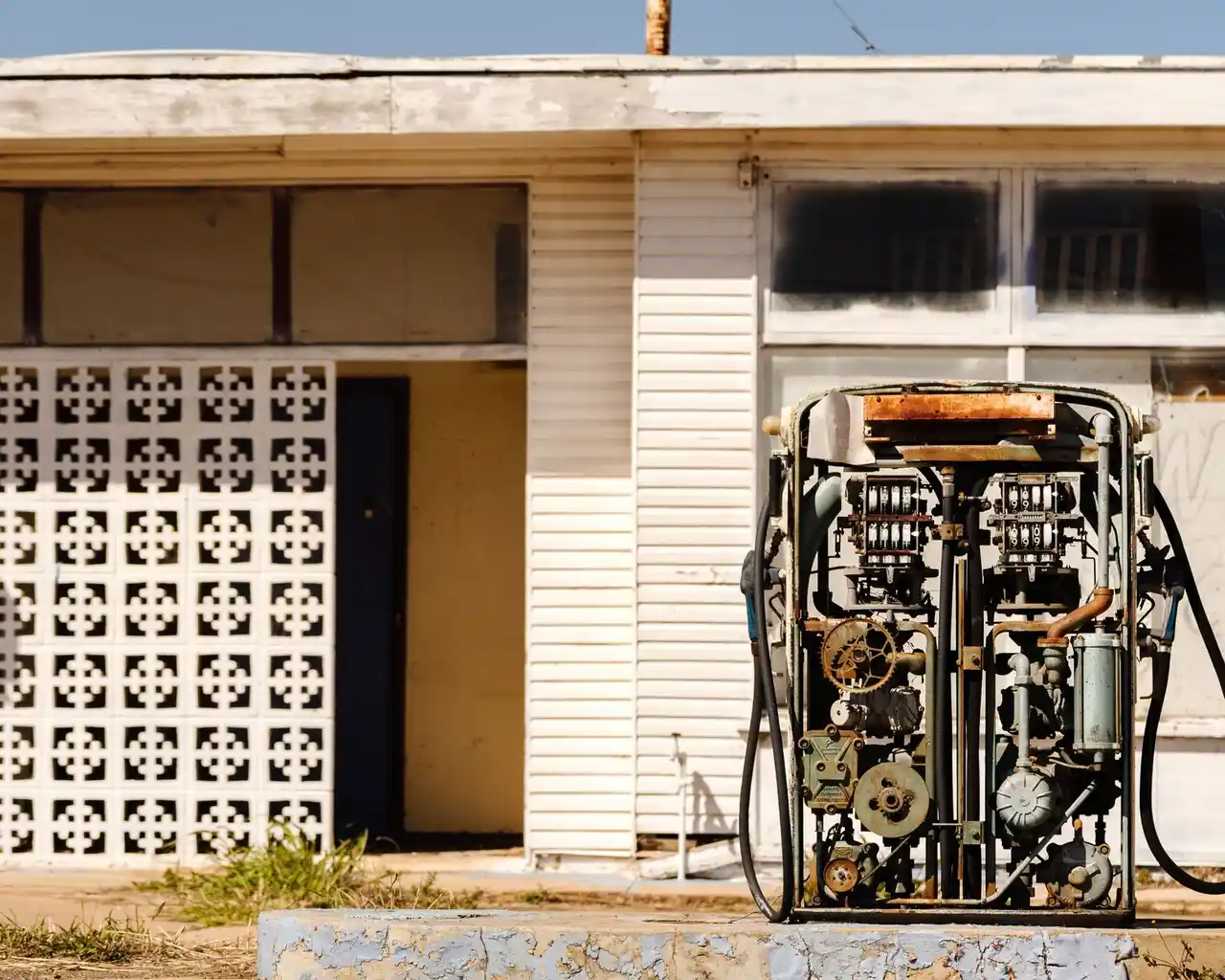
Keeps water from draining back into the basin after each cycle. We install it close to the pump so the pump isn't fighting water it already moved.

Holds the water and keeps dirt out of the pump. We bed it in gravel so it stays stable and the intake stays clear.

Runs the pump when the power is out. We install the battery, charger, and alarm, then show you how to test it every quarter.
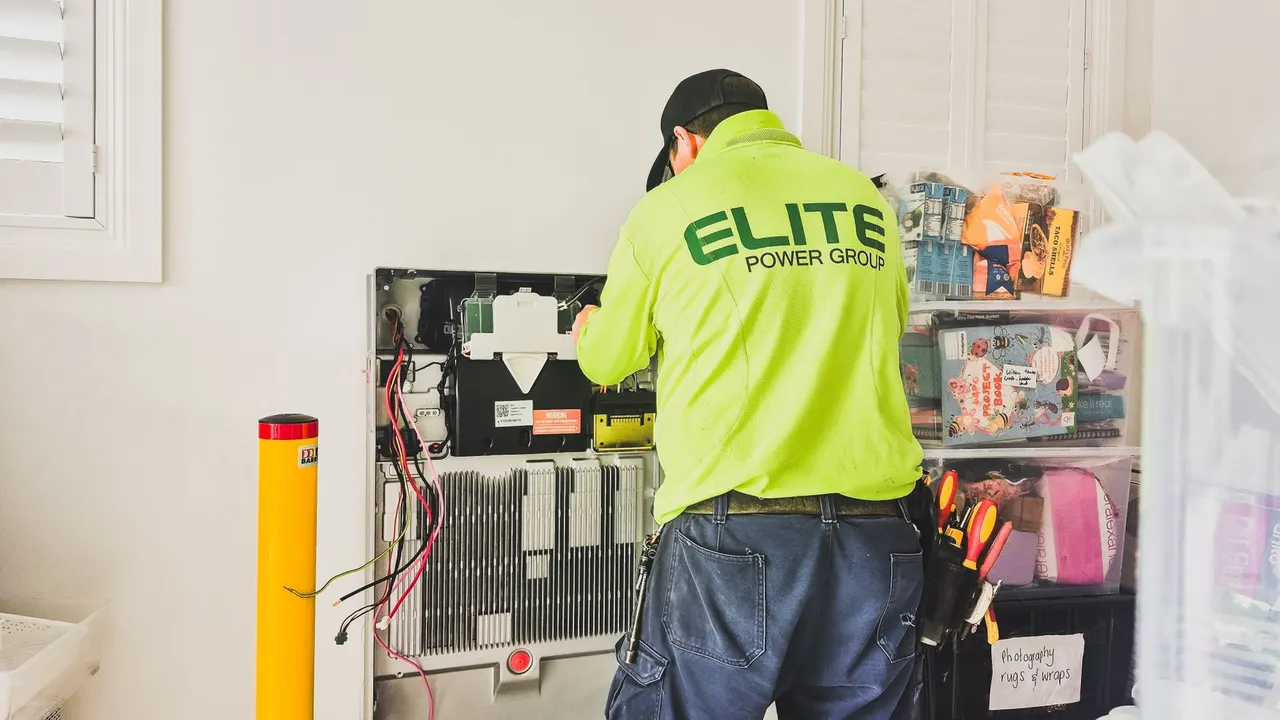
Sounds when the water level rises past the normal trip point. It gives you time to check the pump before the floor gets wet.

Every pit, discharge penetration, and wall seal follows the Florida Building Code. We pull the permit when the job requires one and leave the inspection tag where you can find it.
We walk the crawl space, find the low point, and cut a pit with a lined basin and a submersible pump. The discharge line runs to a point where water can't drain back to the foundation. The standing water is gone, the humidity drops, and the musty smell fades within a week. You get a dry crawl space and a pump that cycles only when it should.
We test the float switch, check the check valve, and measure the pump's flow rate. If the pump is weak or the basin is undersized, we replace both and add a battery backup system. The pump cycles normally again, the noise stops, and you have backup power for the next storm. Most of these jobs are done in a single visit.
We install the pit, basin, pump, and discharge line before the framing is closed in. The circuit goes on its own breaker, and we set the alarm where you can hear it from the stairs. The basement stays dry through the rainy season, and the finished space is protected by a system you can service without tearing out walls.
We pump the pit, replace the failed pump, and install a battery backup system or water-powered backup pump so the next outage doesn't flood the space again. The water is out the same day, the new pump is tested through three cycles, and the backup is ready for the next storm. You're not relying on the grid anymore.
A 1950s Old Naples home had standing water in the crawl space after every summer storm. The old pedestal pump sat in a cracked basin and ran constantly without moving much water.
We cut a new pit, set a lined basin bedded in gravel, and installed a submersible pump with a check valve and a new discharge line. The crawl space was dry within a week and stayed dry through the rainy season.
Check the float and the discharge line every month during rainy season. We recommend a tune-up each spring before the storms start.
A North Naples homeowner called because the pump ran 24 hours a day and the noise carried into the bedroom. The discharge line was partially clogged and the check valve had failed.
We cleared the line, replaced the check valve, and reset the float switch. The pump now cycles two or three times an hour during a storm and shuts off completely between cycles.
Flush the discharge line once a year and test the check valve by watching the water level after the pump shuts off.
A Golden Gate homeowner was finishing a basement and had no sump system at all. The slab was dry, but the water table sat less than two feet below the floor.
We cut the pit, set a basin and a Liberty Pumps submersible unit, ran the discharge out through the stem wall, and wired a dedicated circuit. The basement passed inspection and stayed dry through the next storm season.
Test the pump once a quarter by pouring water into the basin. Replace the battery in the backup system every two to three years.
Most sump calls come down to one of a few failures. Here's what we see in Naples crawl spaces and basements, and what happens if you let it ride.
We check the check valve first, then measure the inflow rate. If the basin is too small for your water table, we set a larger liner and a pump with more flow. Most constant-running pumps are fixed the same day. A pump that never shuts off burns out its motor in weeks and drives up your power bill. It usually means the check valve has failed or the pit is undersized for the water volume.
Nine times out of ten it's a failed float switch or a tripped breaker. We test the switch, check the circuit, and replace the float if it's stuck. If the motor is dead, we swap the pump and test the new one through three full cycles. A pump that won't start leaves the basin filling until water reaches your floor joists. In a Naples crawl space, that can happen in a single afternoon storm.
We clear the discharge line, confirm the slope, and measure the pump's actual flow rate. If the pump is moving less than it should, we replace it. If the pit is too shallow, we cut it deeper and reset the basin. A pit that fills faster than the pump can empty means the system is undersized or the discharge line is clogged. Either way, the water has nowhere to go but into your crawl space.

We rod or flush the line, repair any damaged section, and re-slope it so water drains completely after every cycle. A check valve near the pump keeps the line from holding water between cycles. A clogged line makes the pump work against back pressure until it overheats and fails. It's one of the most common reasons a pump dies before its time.

We test the backup under load, replace the battery if it won't hold a charge, and confirm the float trips above the primary. We show you how to run a quarterly test so the backup is ready when the grid goes down. The storm that knocks out your power is usually the same storm that fills your pit. If the backup battery is dead or the water-powered pump isn't tied in right, you're on your own.
A properly sized pump moves 30 to 50 gallons per minute, which is enough to keep up with a rising water table during a Naples afternoon storm. Instead of standing water under your floor joists, the basin collects it and the discharge line carries it away.
Water that sits against a stem wall wicks upward and rots sill plates. We install a sump basin and perforated drain pipe that intercepts that water before it reaches the framing, which protects the structural lumber and the finished floor above it.
Mold needs standing water and humidity. A sump pump setup Naples residents can count on removes the standing water and drops crawl space humidity fast. Most homeowners notice the musty smell is gone within a week of the pump going in.
The worst flooding happens when the power is already out. We pair the primary pump with a battery backup system or water-powered backup pump, so the basin keeps emptying even after the grid drops. That's the difference between a wet floor and a ruined one.
Typical 2026 pricing in Naples runs $650 to $1,800 for a residential installation, and most jobs land in the middle of that range. A direct replacement in an existing basin sits at the low end. A new pit cut through a slab, with a battery backup system and a long exterior discharge, lands at the top. We measure the space before we quote, so the number you get reflects your crawl space, not a generic estimate. If you want a professional sump pump installation Naples FL homeowners recommend to neighbors, start with a walk-through and a written price.
What your estimate is based on
$650 - $1,800 depending on scope The cost of a sump pump is small next to the cost of a flooded crawl space. Mold remediation, rotted framing, and a new floor can run five figures. A correctly sized system installed once is the cheaper path.
Clear records you can keep and share.
Pit depth, pump size, and discharge route
Three full cycles before we leave
Float, breaker, and backup switch explained
The pump gets the attention, but the pit and the discharge line decide whether the system works. A strong pump in a shallow pit will still flood.
A shallow pit fills faster and makes the pump cycle more often. Cutting the basin at the true low point gives the pump room to work.
Water left in the line after each cycle can freeze or drain back into the pit. We slope the pipe so it empties completely every time.
The storm that floods your crawl space is often the one that cuts the power. A backup system keeps the basin emptying when the grid is down.
Outside these areas? Call and ask, we may still cover you. +12395220157
Most residential jobs in Naples run $650 to $1,800 in 2026, depending on pit depth, pump horsepower, and how far the discharge line has to run. A simple swap in an existing basin sits at the low end. A new pit cut through a slab, with a battery backup system and a long exterior discharge, lands at the top. We give you the number before we start.
A standard crawl space install takes four to six hours from arrival to final test. If we're cutting a new pit through a concrete slab, plan on a full day. Jobs that need a new exterior discharge line or a permit inspection can stretch to two days, but we tell you that during the walk-through, not halfway through the job.
In most cases, yes. The City of Naples and Collier County require a plumbing permit when you cut a new pit or run a new discharge line, and an electrical permit when you add a dedicated circuit. We pull the permits and handle the inspection. If your job is a direct replacement in an existing basin, a permit is often not required.
For most Naples crawl spaces, a submersible pump in a lined basin with a check valve, a float switch, and a battery backup system is the right setup. Submersible pumps run quieter and handle grit better than pedestal models. If your pit is shallow or your power is unreliable, a water-powered backup pump paired with the primary is worth the extra cost.
If your crawl space is holding water or your old pump won't kick on, call us. We'll walk the space, measure the pit, and give you a straight price before any work starts. Same-day emergency service is available across Collier County.
Call us at +1 239-522-0157 or email [email protected]. We answer the phone during business hours and dispatch emergency calls after hours. Same-day estimates are available for most of Naples and Collier County. If you are not sure whether you need a repair or a full install, describe what you are seeing and we will tell you straight.