Tested pump
Two full cycles before we leave
Submersible Sump Pump Installation in Naples, FL means putting a pump down inside the basin where it stays quiet, stays primed, and moves water out fast. We install Zoeller, Wayne, Little Giant, and Liberty Pumps units for homeowners in Old Naples, Park Shore, and North Naples who are tired of watching the water table climb through their slab. If your pit fills every storm, call us.
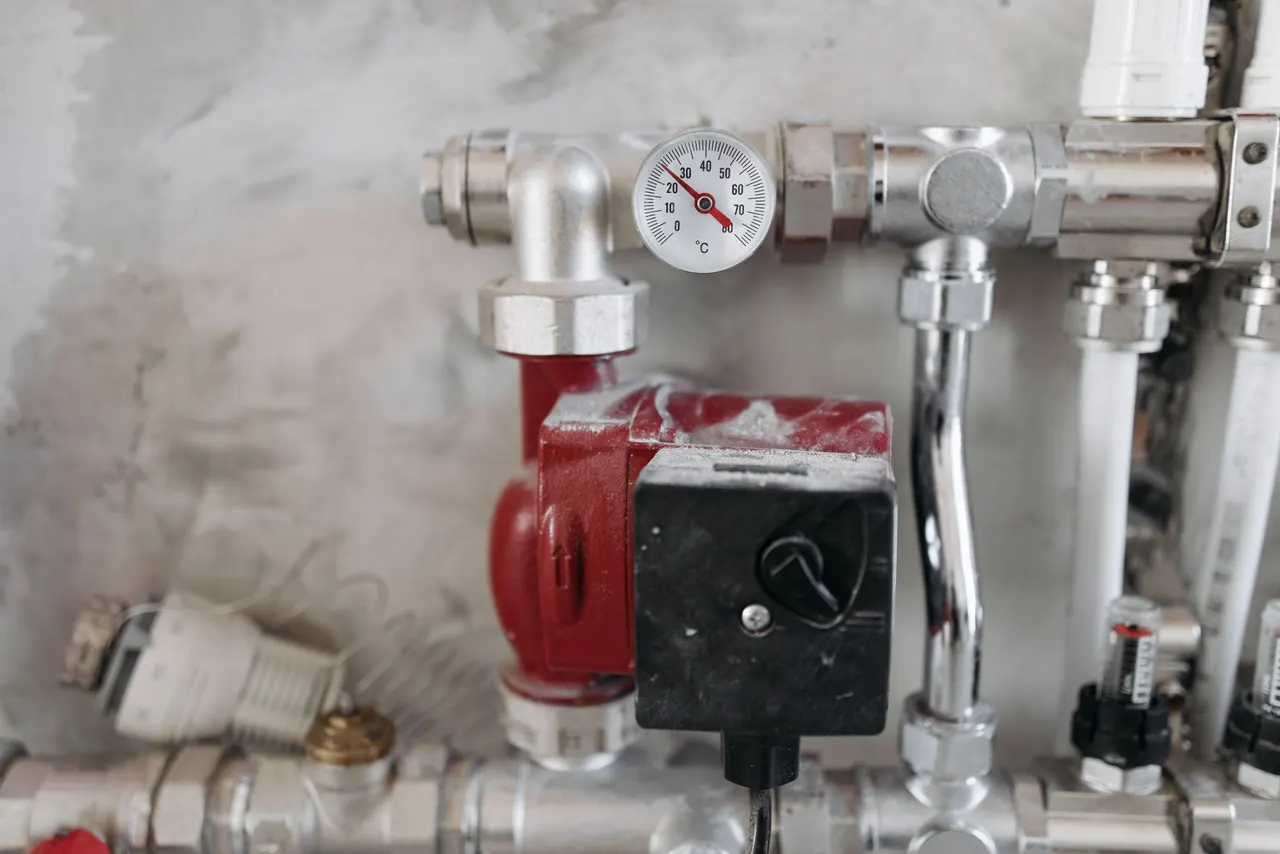
Every installation covers the pump, the basin, the plumbing, and the electrical connection, plus a full fill test before we leave. If your home needs a new pit or a longer discharge run, we quote that separately so there are no surprises on the invoice.
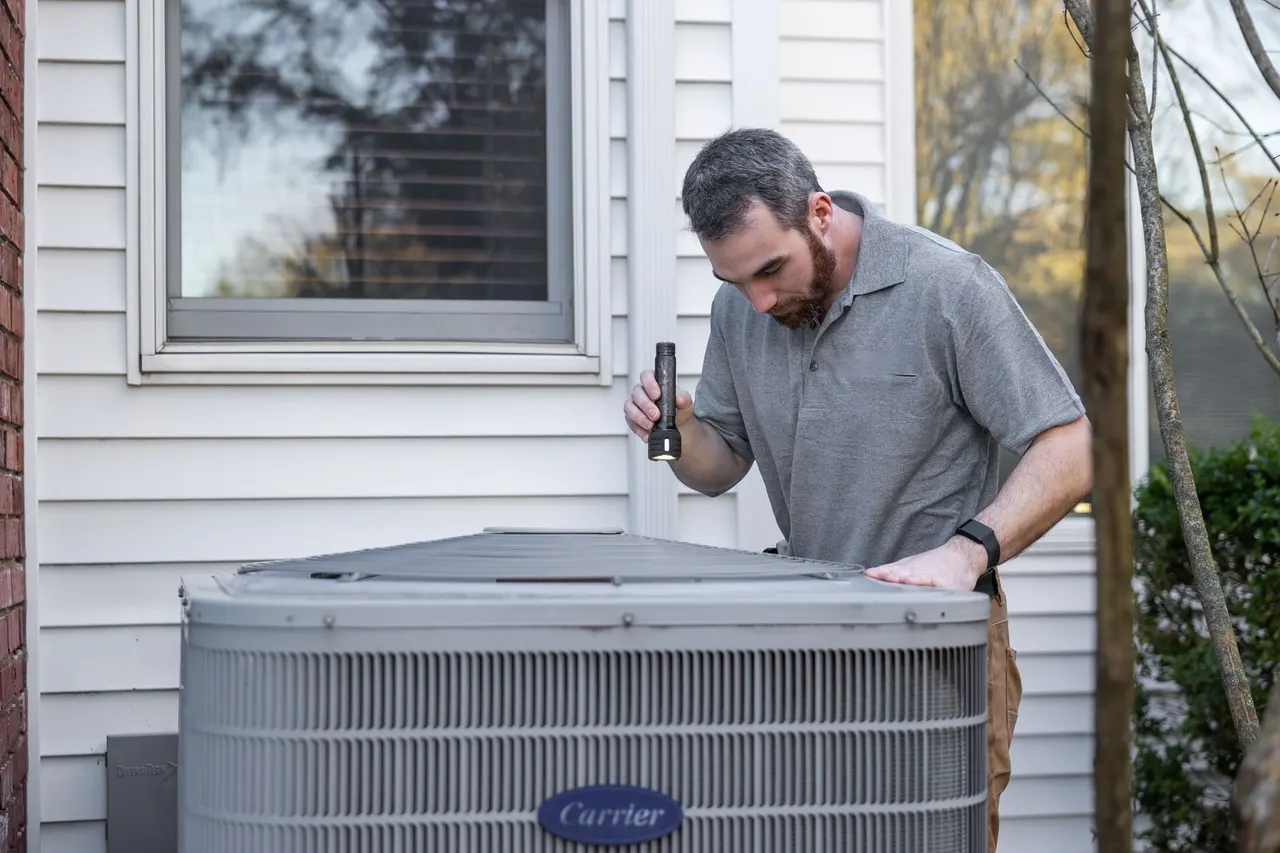
We install submersible pumps for homeowners dealing with a high water table, a damp crawl space, or a garage slab that floods after storms. We measure your pit's refill rate and set the pump to match it.
We install submersible pumps for property managers and small commercial buildings that cannot afford a flooded floor. We work around your hours and test the system before we leave.
Submersible Sump Pump Installation in Naples means setting a sealed pump and motor unit inside a sump basin below floor level, so groundwater is pushed up and out through a discharge line before it ever reaches your slab or crawl space. We cut or open the pit, set a sump pit liner on a bed of gravel, plumb a PVC discharge pipe with a check valve, and wire the float switch to a dedicated circuit that meets NEC electrical code. The pump stays underwater, so it runs cooler and quieter than a pedestal unit sitting above the pit.
Naples sits on a high water table, and from June through October the afternoon storms stack up fast. A submersible sump pump setup Naples FL homeowners can count on is the difference between a dry garage and two inches of water around your water heater. If you have been searching for submersible sump pump installation near me Naples, we cover Collier County from the beach blocks to Golden Gate and East Naples, and we size the pump to the actual inflow your pit sees, not a guess.
A submersible pump belongs in the water, sized to the pit it drains.
Every job follows the same five steps, whether it is a new pit in a Golden Gate garage or a replacement in a Royal Harbor crawl space. You will know what is happening and when we expect to finish.

We walk the lowest point of your slab, crawl space, or basement and find where water actually collects. We check the existing pit depth, the discharge route, and whether a check valve is already in place. This takes about 30 minutes and tells us the pump size and basin depth you need.

If there is no pit, we cut one and set a sump basin liner on a leveled bed of gravel. If a basin is cracked, we pull it and set a new one. We make sure the lip sits flush so a mower or a car tire never catches it. Most pits are 18 to 24 inches across and 24 to 30 inches deep.
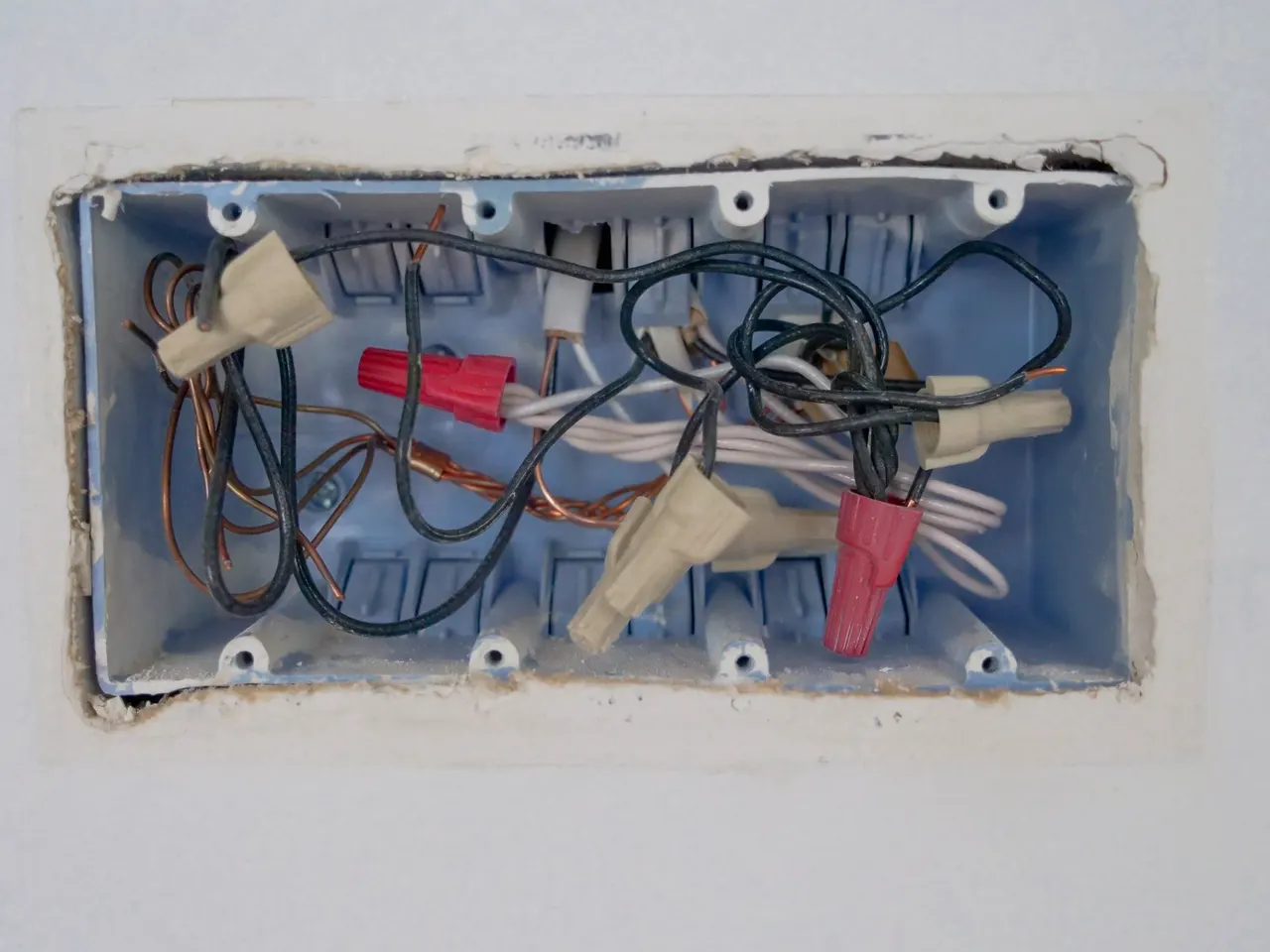
We set the submersible pump, connect the PVC discharge pipe, and install a check valve so water cannot drain back into the pit and make the pump short-cycle. The float switch gets set at the right on and off levels. Every connection is primed and sealed, then we pressure-check the line.
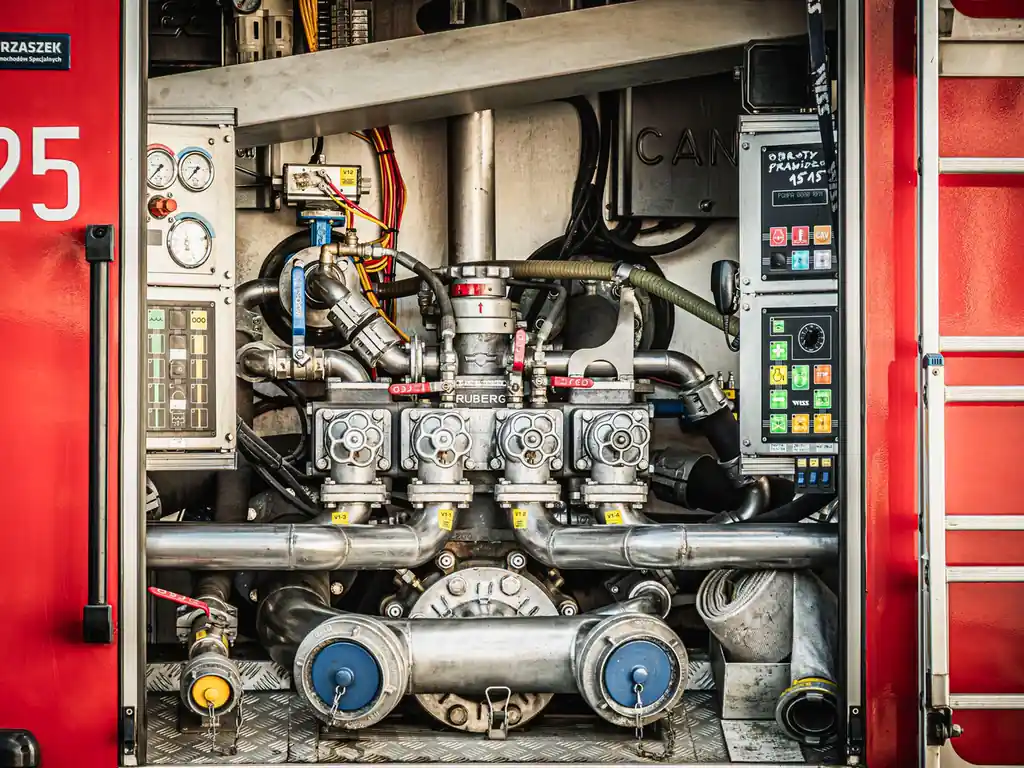
We wire the pump to a dedicated GFCI circuit and confirm it meets NEC electrical code and Florida Building Code. If you want a sump pump alarm, we mount the float high in the basin so it sounds before water reaches the floor. A battery backup system can be added on the same visit.
We dump water into the pit and watch a full cycle, then a second one, to confirm the float trips and the discharge line clears. You get a walkthrough of the check valve, the alarm, and what to listen for. A standard install runs two to four hours.
Our go-to pumps for Naples pits because they handle sandy water and cycle reliably. We match horsepower and head pressure to your measured inflow.
The liner holds the pump and keeps surrounding soil out. We set it on washed gravel so the basin stays level and does not shift over time.
The check valve stops backflow that makes a pump short-cycle. We plumb the PVC line with the right pitch so water drains away from the foundation.
The float switch controls when the pump runs; the alarm warns you before water reaches the floor. We set both at the correct levels for your basin depth.

These keep the pit emptying when the power drops. We tie them into the existing discharge line so there is no second pipe to route.

We confirm the dedicated circuit is grounded and protected before we connect the pump. Sump pumps pull hard on startup, so the circuit has to be right.

We fill your pit and time how fast it refills, then match pump horsepower and head pressure to that number. This is how we avoid a pump that runs constantly or short-cycles. It takes about 15 minutes and prevents most callbacks.

Before we leave, we dump water into the pit and watch the pump run through two full cycles. That confirms the float switch trips, the check valve holds, and the discharge line clears. If anything hangs up, we fix it on the spot.
We cut a pit at the low corner of the crawl space, set a basin liner, and install a submersible pump with the discharge line run out through the rim joist. We add a check valve and test two cycles. The crawl space stays dry through the rainy season, and the homeowner stops running a dehumidifier around the clock.
We measure the pit's refill rate, size a submersible pump to match, and set a new basin with a screened intake. We also add a sump pump alarm high in the basin. The pump keeps up with inflow during storms, and the alarm gives the homeowner warning before water reaches the floor.
We replace the pedestal unit with a submersible pump and add a battery backup system on the same discharge line. The battery sits above the high-water line and is tested under load. The pit keeps emptying during outages, and the property manager stops getting 2 a.m. calls from tenants.
We cut a new pit at the lowest point, set a basin liner on gravel, and install a submersible pump with a PVC discharge line routed above the flood line. We wire a dedicated GFCI circuit. The basement stays dry through storm season, and the homeowner has a tested system instead of a wet floor every August.
Naples sits on a high water table, and from June through October the afternoon storms drop inches of rain in an hour. Pits here fill fast, and they fill with sandy water that chews up cheap pumps. We size submersible units for that reality, not for a catalog spec sheet. Older homes in Old Naples and Coquina Sands often have shallow pits or none at all, so we cut a new one and set a basin liner on gravel. Newer builds in North Naples and Lely Resort usually have a pit already, but the pump is undersized for the inflow. We measure refill rate, match horsepower and head pressure, and set the float switch clear of the basin wall. A submersible sump pump installation in Naples, Florida also has to account for code: we wire a dedicated GFCI circuit to NEC electrical code and confirm the work meets Florida Building Code. If you want a submersible sump pump setup for basement in Naples Florida that survives hurricane season, we can add a battery backup system or a water-powered backup pump on the same discharge line. Most installs run two to four hours, and we test two full cycles before we leave.
A 1970s Golden Gate home had a shallow pit and a worn pedestal pump that quit during a July storm. Water pooled around the water heater and crept toward stored boxes. The float switch had been hanging up on the basin wall for weeks.
We cut a deeper pit, set a new basin liner on gravel, and installed a submersible pump with a check valve and a screened intake. Two fill tests confirmed the float trips correctly. The garage stayed dry through the rest of storm season.
We recommend an annual inspection in May, before the rainy season, covering the float switch, check valve, and discharge line. A clean intake screen keeps the pump running cool.
A Pelican Bay homeowner could hear the pedestal pump rattle from the bedroom every time it kicked on. The pump cycled every few minutes because the check valve was stuck open, letting water drain back into the pit.
We replaced the pedestal unit with a submersible pump and installed a new check valve. The pump now rests between cycles instead of short-cycling, and the noise dropped to a low hum. We also added a battery backup system before hurricane season.
Test the backup battery twice a year and keep the discharge line clear of debris. If the pump starts cycling more often, the check valve is the first thing to check.
An Old Naples bungalow had no sump pit at all, and the crawl space stayed damp from June through October. The homeowner ran a dehumidifier around the clock and still found moisture on the joists.
We cut a pit at the low corner, set a basin liner, and installed a submersible pump with the discharge line run out through the rim joist. The crawl space dried out within a week, and the dehumidifier now runs only occasionally.
Keep the discharge line outlet clear and check the pit each spring. An annual test of the float switch and check valve keeps the system working through storm season.
Most of the calls we get are one of these four failures. Each one has a fix, and most are handled in a single visit with parts we keep on the truck.
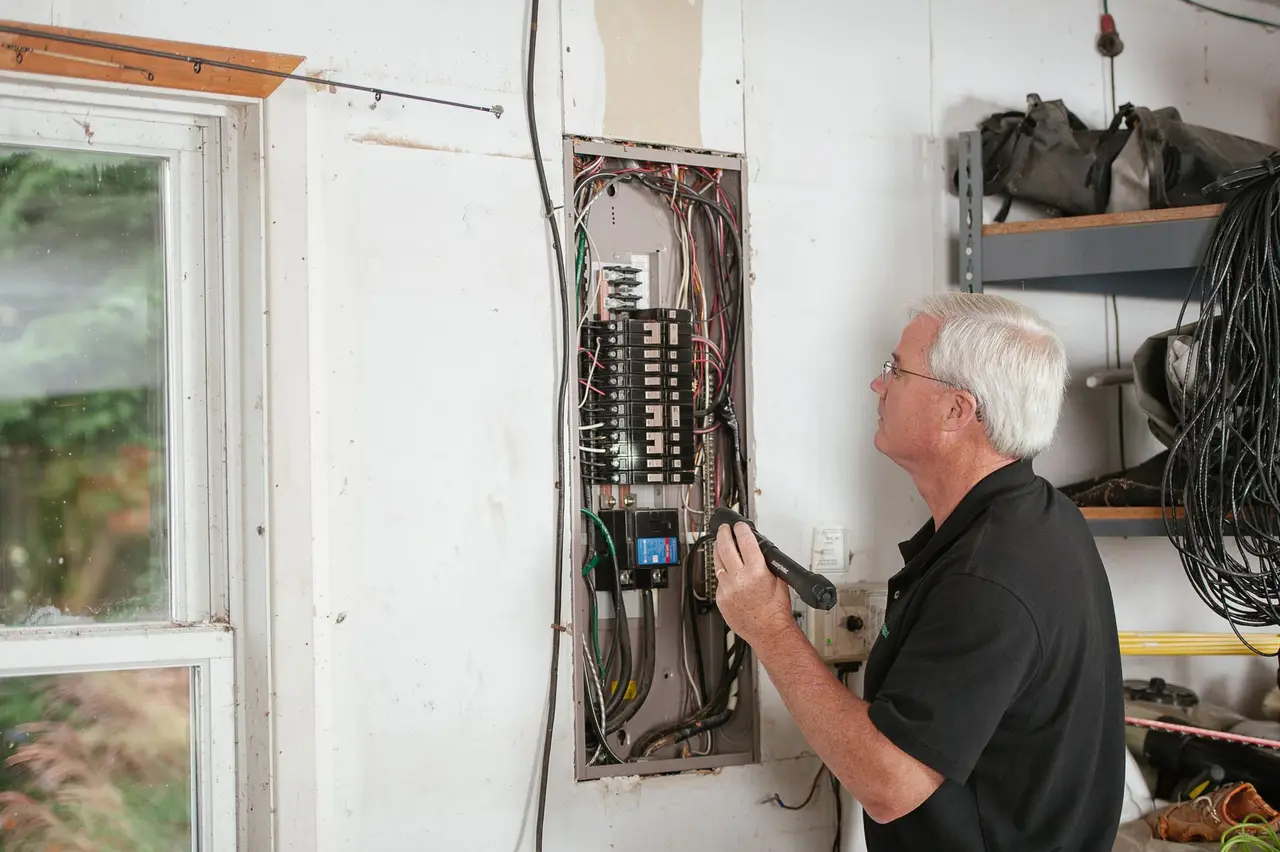
We measure how fast your pit refills and check the check valve for backflow. Often the pump is undersized or the valve is stuck open. We size the right submersible unit, set a new check valve, and confirm the pump rests between cycles. A pump that never shuts off overheats the motor and burns out within weeks, usually right when you need it most. It also drives up your power bill and wears the float switch.
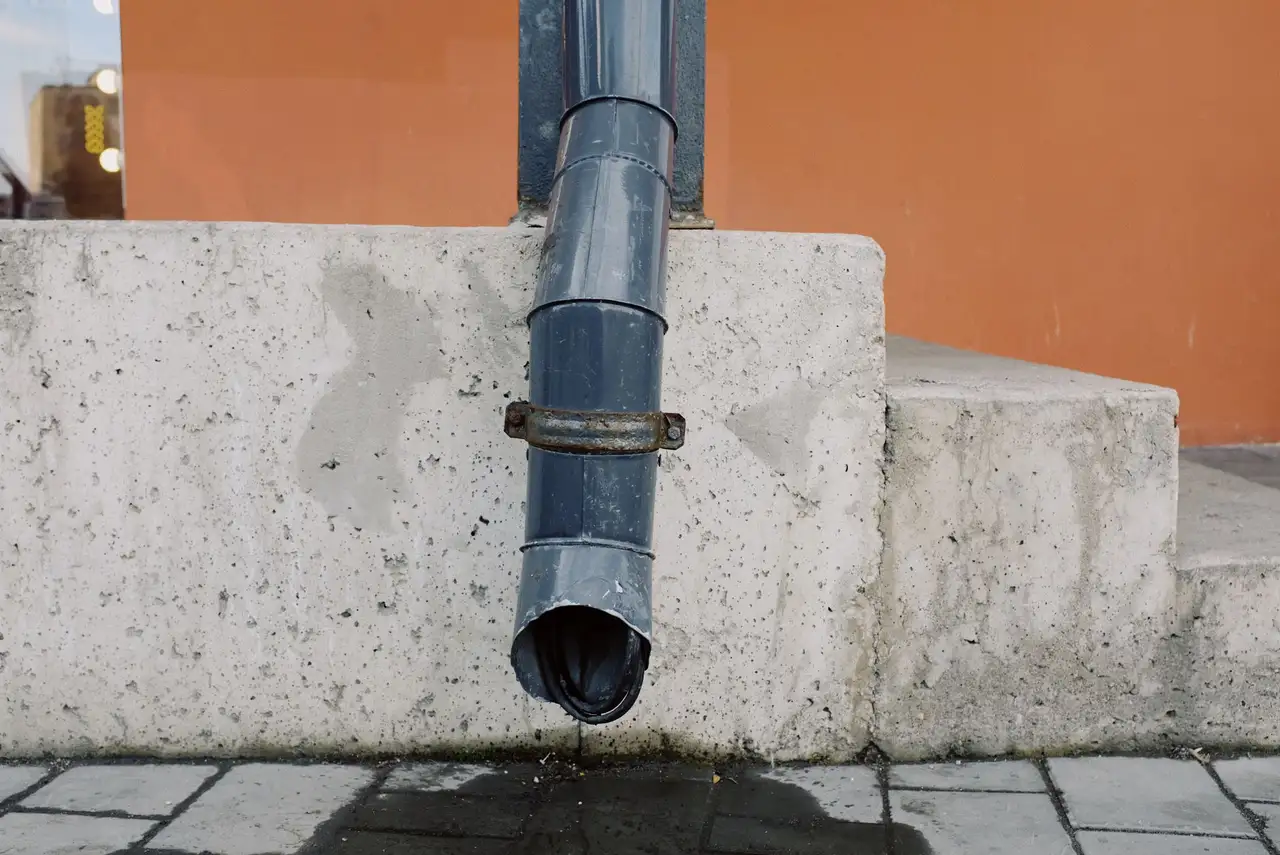
Nine times out of ten it is a failed float switch or a tripped breaker. We test the switch, check the circuit, and replace the float if it is hung up or burnt. If the motor is gone, we set a replacement pump the same visit. A dead pump means the pit fills and water reaches your slab, your stored belongings, and your water heater. In a finished space, that is thousands in damage.
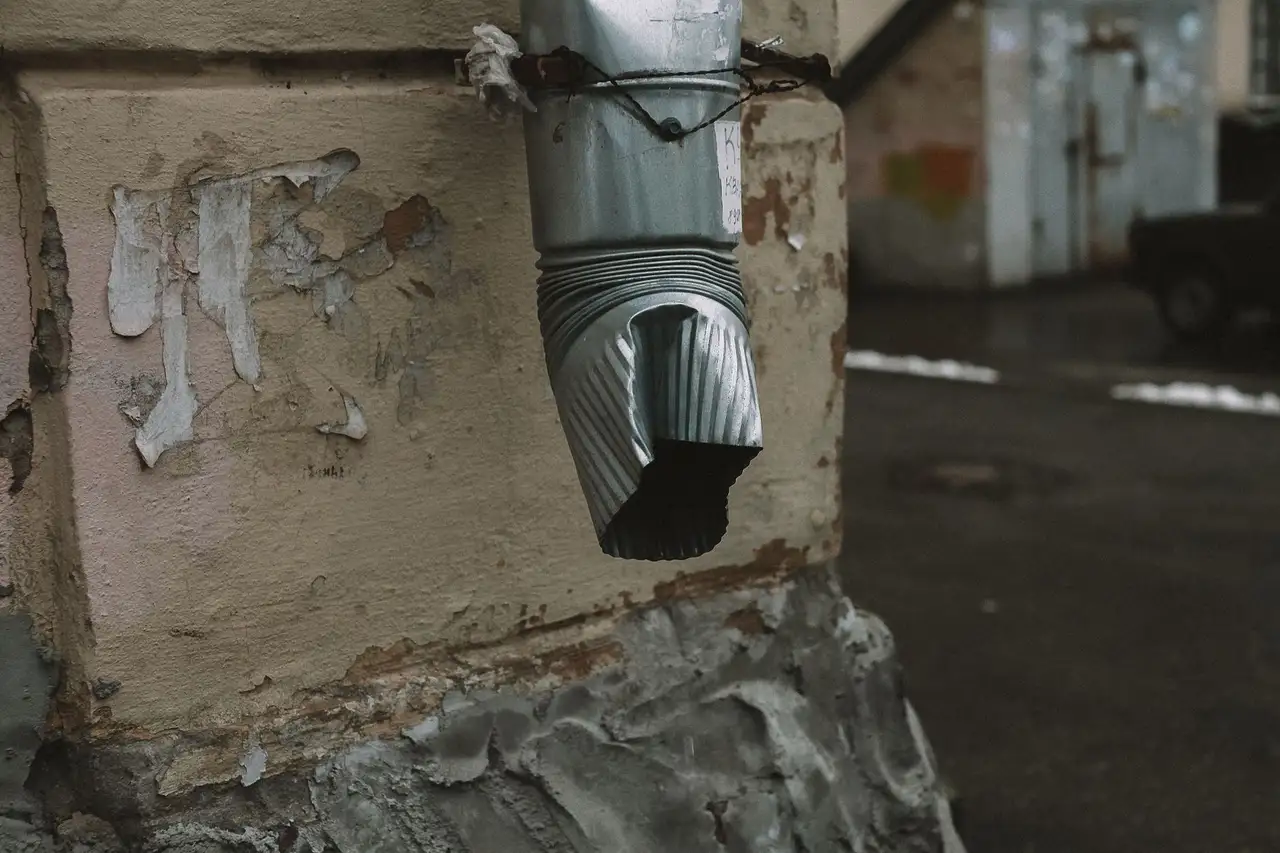
We trace the line, clear the blockage, and check the check valve for debris. If the pipe is cracked or routed uphill, we re-run it with the right pitch. We also add freeze protection where the line exits the house. When the discharge line blocks, the pump pushes water back into the pit and can burn out from the back pressure. In a cold snap, a frozen line does the same thing.
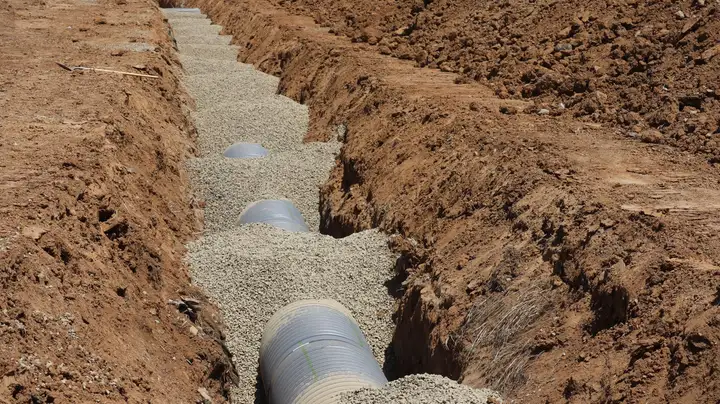
We pull the old basin, reset a new sump pit liner on a fresh gravel bed, and seal the rim. Then we re-plumb the discharge line and run a fill test. Most basin replacements finish in a single day. A cracked basin lets groundwater enter from the sides instead of through the pump intake, so the pit never fully empties. Over time the surrounding soil washes out and the basin shifts.
Because the motor is submerged, you hear a low hum instead of the rattle a pedestal sump pump makes against the basin wall. In a Naples home where the sump pit sits near a bedroom or laundry, that difference matters at 2 a.m. during a storm. We set the pump on a solid base so vibration stays low.
Collier County's water table can rise within inches of the slab after a multi-day rain. A submersible unit with the right head pressure keeps up with inflow that a small pedestal pump cannot. We measure your pit's refill rate before we pick a horsepower, so the pump cycles correctly instead of running constantly.
The sealed housing keeps sand, gravel, and silt out of the motor, which is common in Naples pits cut through shell and sand. That means fewer clogged impellers and fewer mid-storm failures. We also screen the intake and set the float switch clear of the basin wall so it cannot hang up.
A submersible pump still needs power, and Naples outages during hurricane season are real. We can tie in a battery backup system or a water-powered backup pump on the same discharge line, so your pit keeps emptying when the grid drops. That setup protects a finished floor for a fraction of the cost of replacing it.
Typical 2026 pricing for a submersible sump pump installation in Naples runs $450 to $1,200, depending on whether we cut a new pit, set a basin liner, and how far the discharge line has to travel. A straight pump swap on an existing basin sits at the low end. A new pit, new basin, and a long discharge run sit at the high end. We give you an upfront number before any work starts, and a standard install takes two to four hours.
What your estimate is based on
$450 - $1,200 depending on scope The number that matters is what a flooded floor costs. Water around a water heater, stored boxes, or a finished wall runs into the thousands. A correctly sized submersible pump with a tested discharge line is the cheaper outcome, and we give you the price before we start.
Clear records you can keep and share.
Two full cycles before we leave
Calibrated to your basin depth
Pitched to drain away from foundation
A submersible pump sits underwater in the basin, while a pedestal pump keeps the motor above the water. The right choice depends on how fast your pit refills and how much noise you can live with.
The motor runs underwater, so it stays cooler and quieter than a pedestal unit. That matters when the pit sits near a bedroom or a laundry room.
Horsepower matters less than matching the pump to how fast your pit refills. We measure that rate before we pick a unit, so the pump rests between cycles.
A submersible pump still needs power, and outages happen during storm season. A battery backup or water-powered backup keeps the pit emptying when the grid drops.
Outside these areas? Call and ask, we may still cover you. +12395220157
A submersible sump pump is a sealed pump and motor that sits underwater inside your sump basin and pushes groundwater out through a discharge line. It is usually the right call in Naples because our water table runs high and a submerged motor runs cooler and quieter than a pedestal unit. If your pit refills fast during summer storms, a submersible pump with a battery backup system is the safer setup.
Most submersible sump pump installations in Naples run $450 to $1,200 in 2026, depending on whether we cut a new pit, set a basin liner, and how far the discharge line has to travel. Adding a battery backup system or a sump pump alarm adds to the total. We give you an upfront number before any work starts, and a standard install takes two to four hours.
Submersible pumps sit inside the basin, run quieter, and handle more volume, which suits Naples pits that fill fast during a storm. Pedestal pumps keep the motor above the water, so they are easier to service and cheaper up front, but they are louder and cannot match a submersible unit on flow. For a finished floor or a crawl space, we usually recommend submersible.
We recommend a sump pump inspection and test once a year, ideally in May before the rainy season starts. That check covers the float switch, the check valve, the discharge line, and the backup battery. If your pump runs constantly or the pit fills with water between storms, call us sooner. A failed float switch is the most common reason a pump quits.
Call Naples Sump Pump Pros at +1 (239) 522-0157 and we will size a submersible pump to your pit, set the basin, and test the discharge line before we leave. We work across Collier County and give you an upfront number before any work starts.
Call us at +1 239-522-0157 or email [email protected]. We answer the phone during business hours and dispatch emergency calls after hours. Same-day estimates are available for most of Naples and Collier County. If you are not sure whether you need a repair or a full install, describe what you are seeing and we will tell you straight.