Written scope
Pump size, basin location, and discharge route
Crawl Space Sump Pump Installation in Naples is the permanent fix for standing water under your home. We install a sealed sump basin, a Zoeller or Liberty Pumps submersible pump, a check valve, and a PVC discharge line that moves water away from your foundation. If your crawl space floods after summer storms or smells musty year-round, we can have a crawl space dewatering pump installation Naples homeowners rely on running in one day.

Every crawl space sump pump installation in Naples includes the core parts that make the system work. We can add a battery backup, an alarm, or a longer discharge run if your space needs it. Here is what you get as standard.
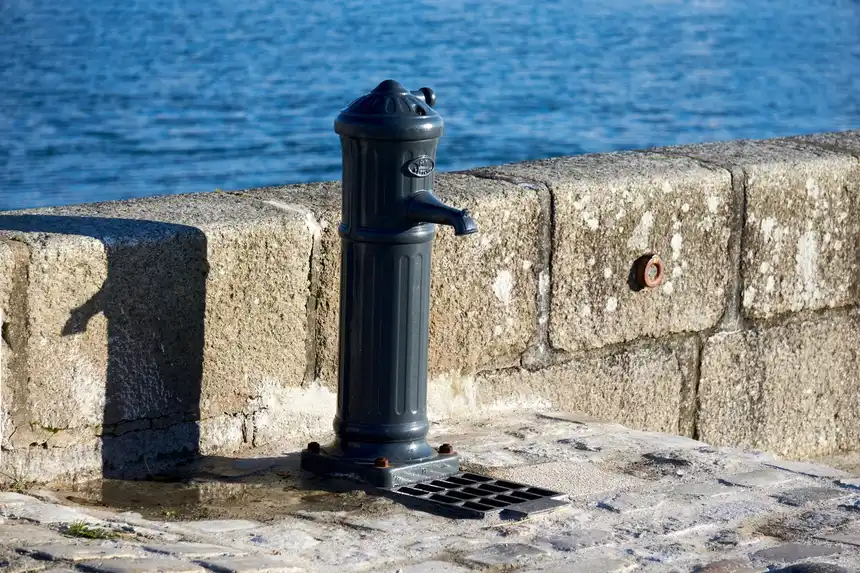
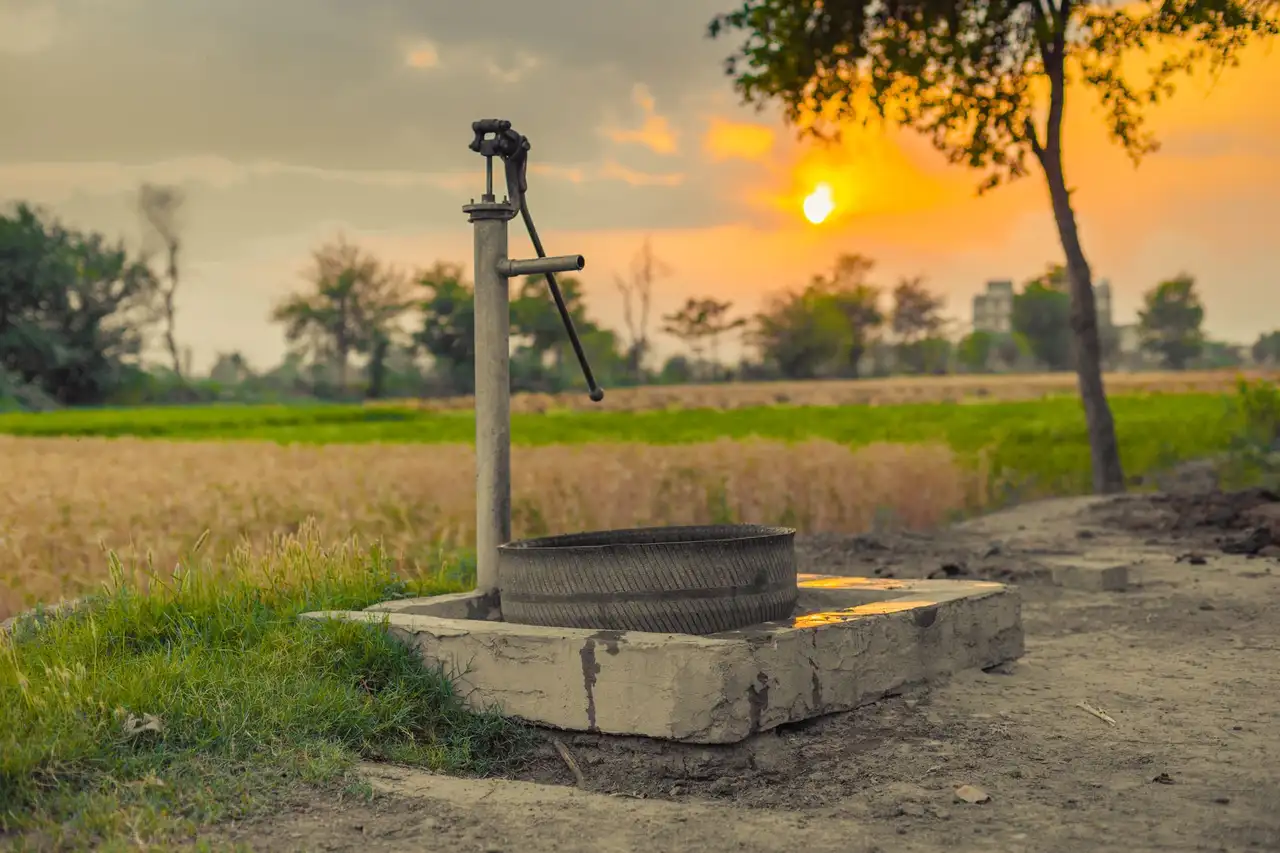
We install sump pumps in crawl spaces across Naples, from older cottages to newer builds. Every job includes a basin, a pump, a check valve, and a tested discharge line.
We install and maintain crawl space pumps for rental homes, small commercial buildings, and property managers across Collier County. We work around your tenants and schedule visits when it suits you.
Crawl Space Sump Pump Installation in Naples is the process of cutting a sump pit into the lowest point of your crawl space, lining it with a perforated basin, and setting a submersible sump pump inside. We run a PVC discharge pipe through the rim joist and out to a drainage point that slopes away from the house. A check valve stops water from flowing back into the pit after each cycle. The float switch is set so the pump kicks on at roughly 2 inches of water and shuts off at 1 inch.
Naples sits on a high water table, and that water has nowhere to go during the June through September rainy season. If you have ever priced the cost of crawl space sump pump installation Naples FL, you already know that doing nothing costs more. A crawl space dewatering pump for high water table Naples FL properties runs several times a day in summer, and without one, moisture wicks into floor joists, insulation, and subfloor panels. We size every pump to your square footage and head height, not a one-size box.
We move groundwater out before it reaches your floor joists.
We handle the whole job from inspection to testing. Here is what you can expect when we show up at your Naples home.
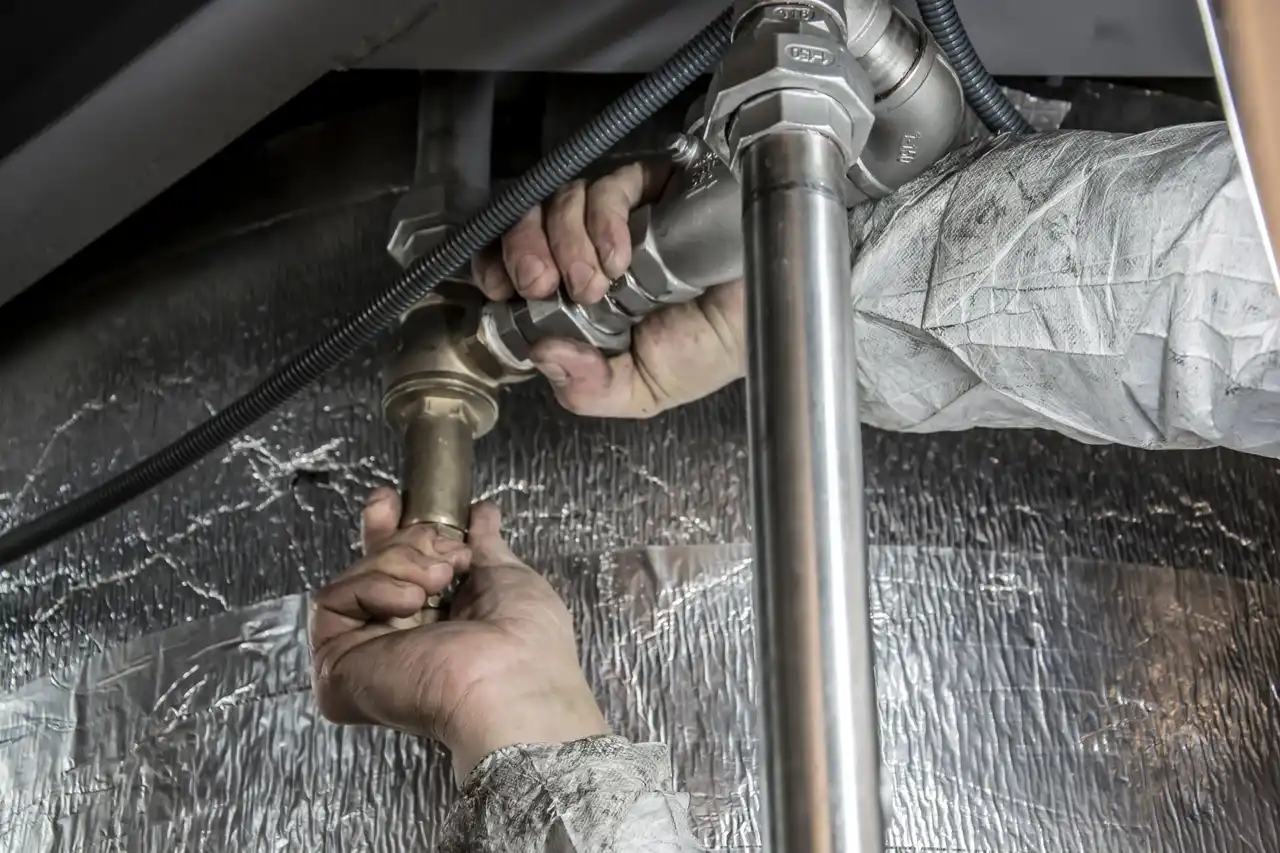
We crawl the space, find the low point, and check for existing drain lines or French drains. We measure the square footage and the vertical lift from the pit to the discharge point. That tells us the gallons per minute and head height your pump needs. This takes about 30 minutes.
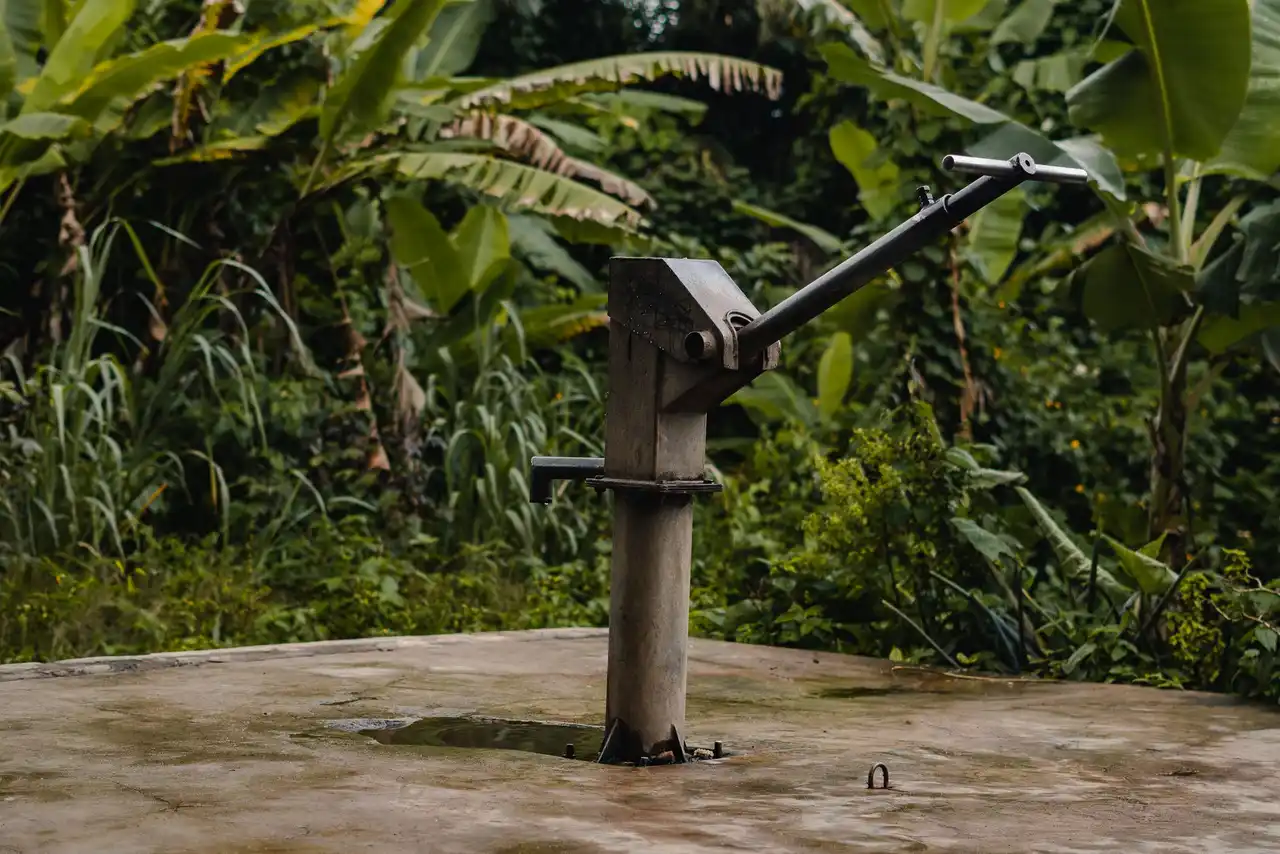
We dig a pit roughly 24 inches deep and 18 inches wide at the lowest spot. We line it with a perforated sump basin liner and pack gravel around the outside so groundwater can flow in. The basin sits level and flush with the crawl space floor.
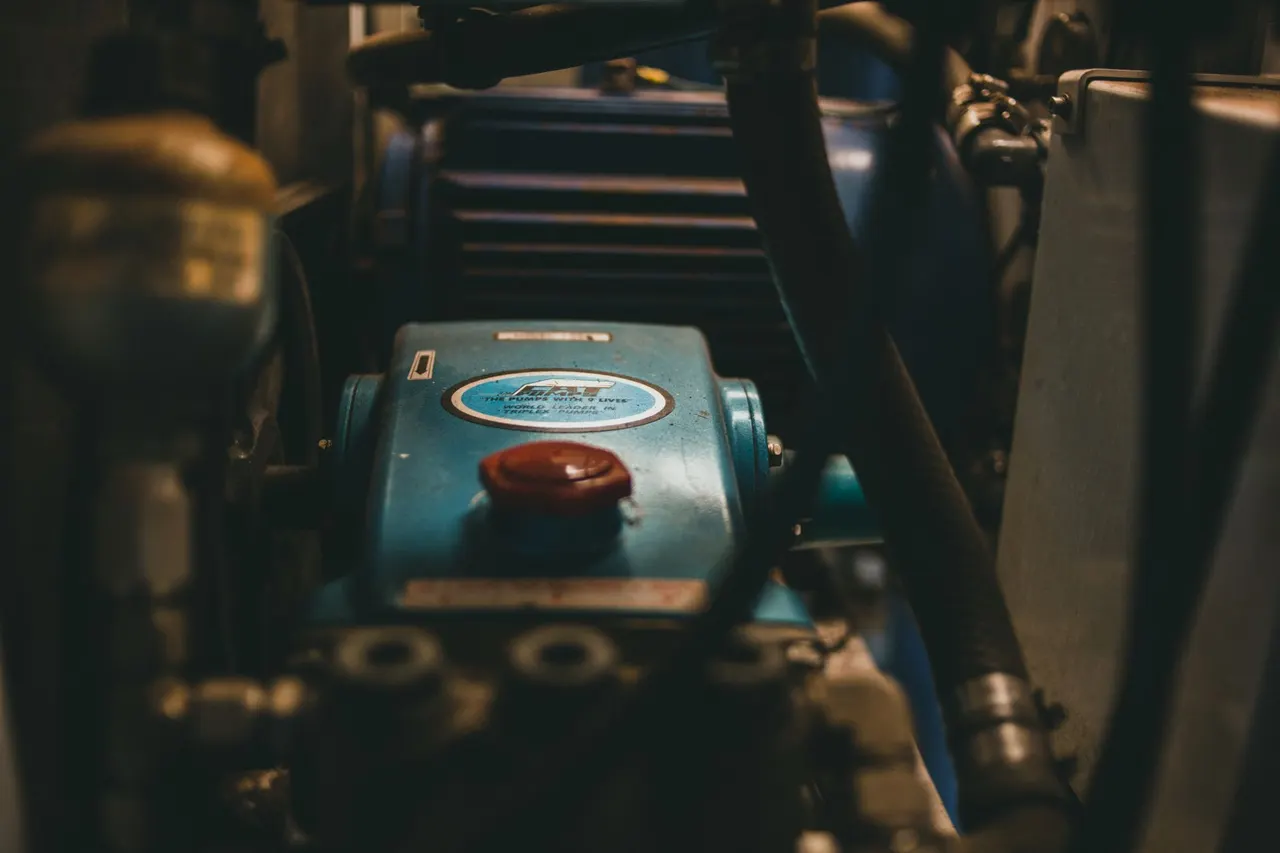
We set a submersible sump pump inside the basin and connect the float switch. We test the switch by hand before we fill the pit. If you chose a battery backup system, we mount it on a shelf above the high-water line and wire it to the primary pump.
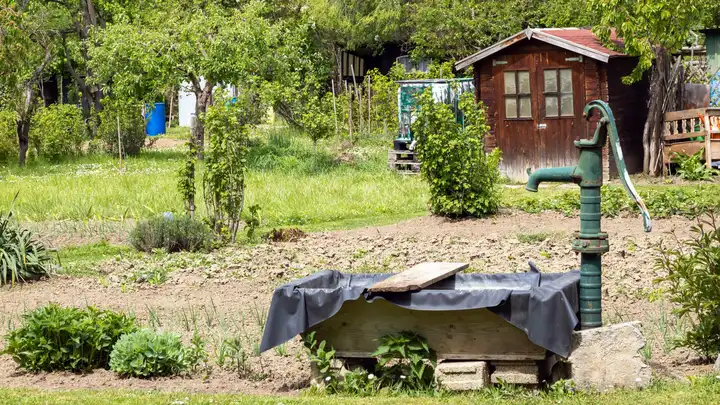
We run PVC discharge pipe from the pump, through a check valve, and out through the rim joist. The line exits above grade and slopes away from the foundation. We seal the penetration with gasket and sealant so insects and water stay out.
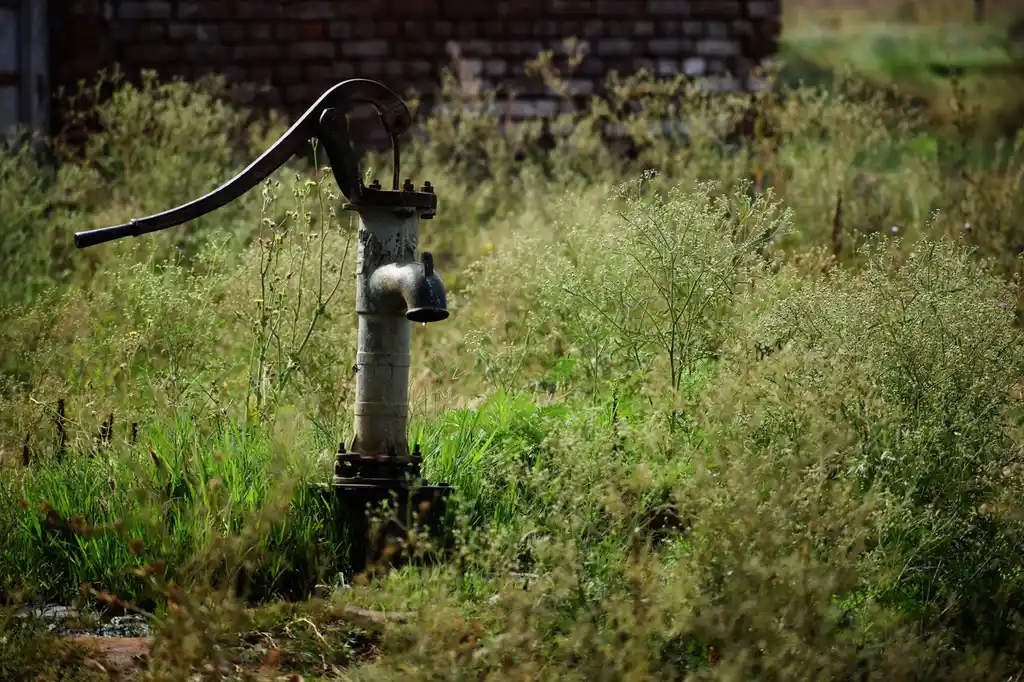
We fill the basin with a hose and watch the pump cycle three times. We check the check valve for backflow and the discharge line for leaks. Then we show you the float switch, the alarm, and the backup test button. The whole job usually takes four to six hours.
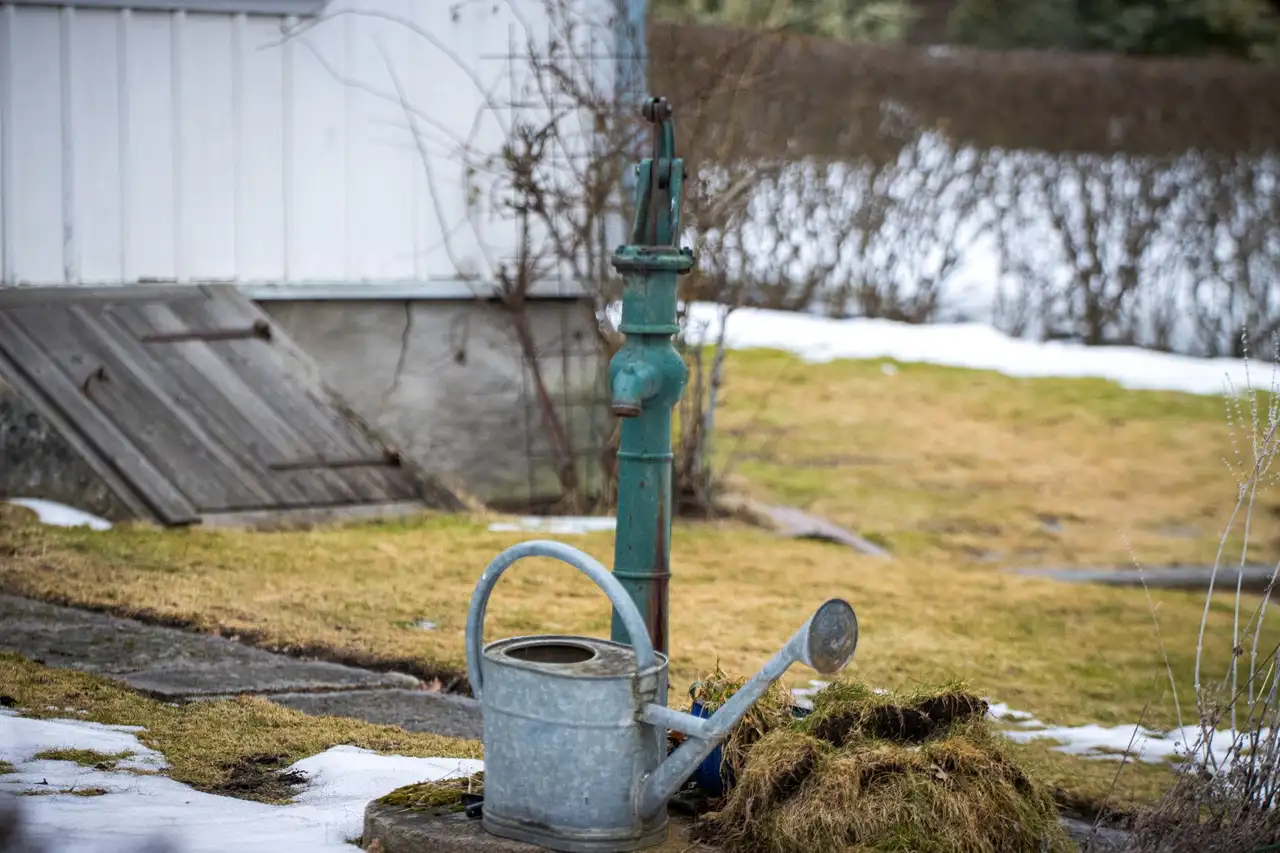
We stock 1/3 HP, 1/2 HP, and 3/4 HP models so we can match the pump to your square footage and lift. These brands hold up in Florida humidity better than budget pumps.
The liner sits in the pit and lets groundwater flow in from all sides. We pack gravel around it so the pump does not suck air. A proper basin is the difference between a pump that lasts and one that short-cycles.

The check valve stops water from flowing back into the basin after each cycle. We use union fittings so you can service or replace the valve without cutting pipe. A bad check valve is a common cause of short-cycling.
We install float switches set to turn on at 2 inches and off at 1 inch. A sump pump alarm mounted above the high-water line sounds when the water rises past the switch, giving you time to act.
We install deep-cycle batteries with automatic chargers and mount them above the high-water line. The backup runs the pump during a power outage and recharges once the grid comes back.

We run schedule 40 PVC from the pump through the rim joist and out to a drainage point. We seal the penetration with gasket and sealant so water and insects stay out of the crawl space.

We follow Florida Building Code for below-grade drainage and discharge. That means the discharge line exits above grade and slopes away from the foundation, and the basin is set at the lowest point of the crawl space. We pull permits when the job requires one.
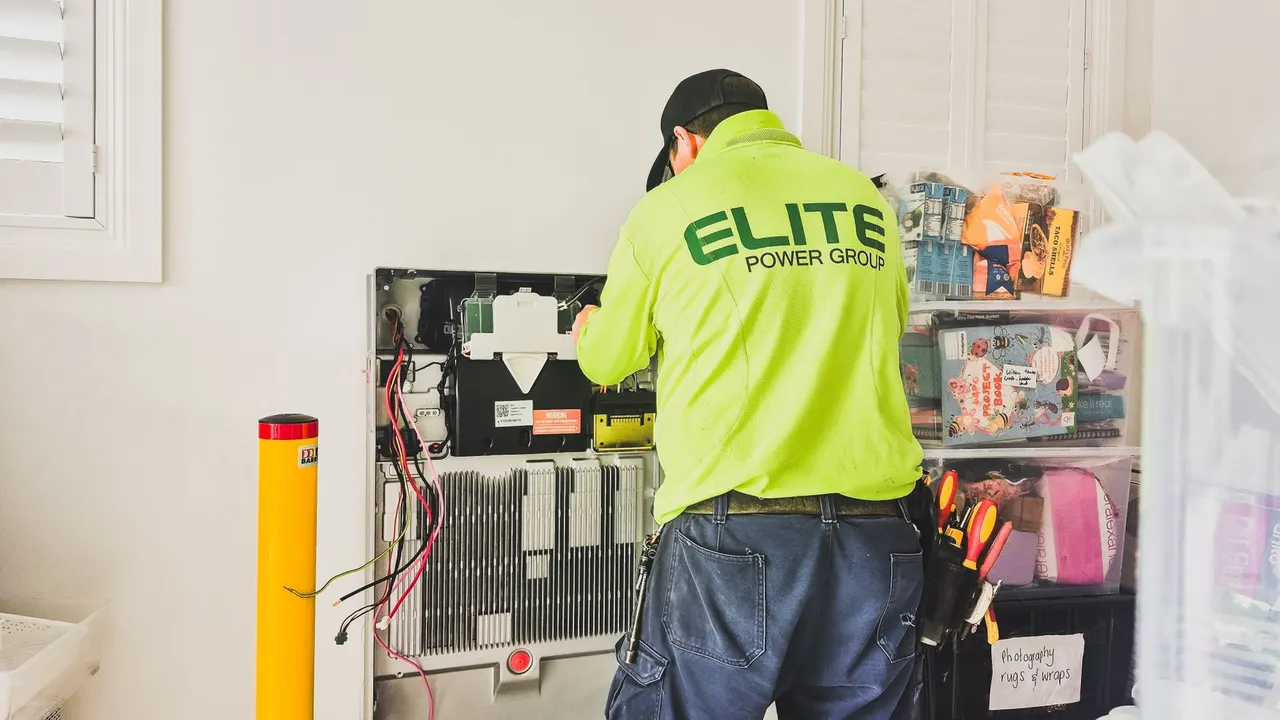
Every pump circuit we touch follows NEC electrical code. We use GFCI protection for pumps in wet locations and put all connections inside a junction box. No taped splices, no exposed wire nuts in the crawl space.
We inspect the space, test any existing pump, and give you a written scope with photos. If there is no pump, we install one with a basin, check valve, and discharge line. We can usually schedule the work before your closing date. You close on the home knowing the crawl space has a working dewatering system, not a problem waiting for the next storm.
We install a submersible pump with a float switch set to run at 2 inches of water. The discharge line exits above grade and slopes away from the foundation. We test the system three times before we leave. The pump handles the water automatically, and you stop spending your weekends hauling buckets out of the crawl space.
We install a battery backup system with a deep-cycle battery and an automatic charger. The backup sits above the high-water line and kicks in when the primary pump loses power. We test it under load. Your crawl space stays dry through the outage, and the backup recharges itself once the power comes back.
We size a 1/2 HP or 3/4 HP pump for the continuous inflow and install a larger basin to handle the volume. We also check whether a French drain would reduce how often the pump runs. The pump cycles a few times a day instead of running constantly, and the crawl space stays below 60 percent humidity.
Naples sits on a high water table, and the rainy season runs from June through September. During those months, groundwater can rise fast enough to fill a crawl space in hours. We size every pump for that reality, not for a dry climate. Most homes here need a 1/3 HP to 3/4 HP submersible pump, a basin set at the lowest point, and a discharge line that exits above grade. We also check whether a French drain or perforated drain pipe would reduce how often the pump runs. In older homes in Old Naples and Coquina Sands, we often find cracked sump basins and failed float switches that have been ignored for years. In newer builds in North Naples and Pelican Bay, the issue is usually an undersized pump that cannot keep up with a high water table. A crawl space sump pump setup Naples FL homeowners can rely on starts with sizing the pump correctly and testing it under real conditions. We follow Florida Building Code for drainage and NEC electrical code for every circuit.
A 1950s cottage in Old Naples had 3 inches of standing water under the house after every summer storm. The crawl space smelled musty, and the floor joists were soft near the center of the home. There was no sump pump, only a dirt floor that stayed wet for weeks.
We dug a pit at the low point, set a perforated basin, and installed a 1/2 HP Zoeller submersible pump with a check valve and PVC discharge line. The pump cycles three times a day in summer and the crawl space stays dry. Humidity dropped from 85 percent to 58 percent.
We recommend an annual tune-up each spring before rainy season. That means cleaning the basin, testing the float switch, and checking the check valve for backflow.
A homeowner in Pelican Bay had a pump that ran constantly and made a loud grinding noise. The float switch was stuck in the on position, and the discharge line was clogged with debris. The pump was three summers old and on its way out.
We replaced the pump with a Liberty Pumps 1/2 HP model, installed a new float switch, and cleared the discharge line. We also added a battery backup system because the homeowner lost power during storms. The new pump runs quietly and cycles normally.
Test the backup battery every three months by pressing the test button. We also recommend flushing the discharge line each spring to clear debris before the rainy season.
A property manager in East Naples had a rental home where the sump basin had cracked and collapsed. Soil was filling the pit, and the pump was short-cycling every few minutes. Tenants complained about a musty smell in the living room.
We pulled the old basin, re-dug the pit, and set a new perforated liner packed in gravel. We reset the pump level and installed a new float switch. The pump now runs two or three times a day instead of every few minutes, and the smell is gone.
We set up an annual maintenance visit for the property. That covers basin cleaning, float switch testing, and a check of the discharge line outlet.
Most crawl space problems in Naples come back to the same root cause: water has nowhere to go. Here are the issues we fix every week.

We install a submersible pump and a properly sized basin at the low point. The pump cycles automatically during storms and moves 30 to 50 gallons per minute out through the discharge line. Your crawl space stays dry even during a week of rain. Standing water raises humidity above 80 percent, which softens floor joists and feeds mold growth. The smell drifts up through your HVAC returns and into living areas.
We diagnose the float switch, check the check valve, and clear the discharge line. If the pump is already damaged, we replace it with a Zoeller or Liberty Pumps model sized for your space. Most repairs are done in one visit. A pump that runs nonstop burns out its motor in months, not years. The noise usually means a stuck float switch or a clogged discharge line that is forcing the pump to work against back pressure.
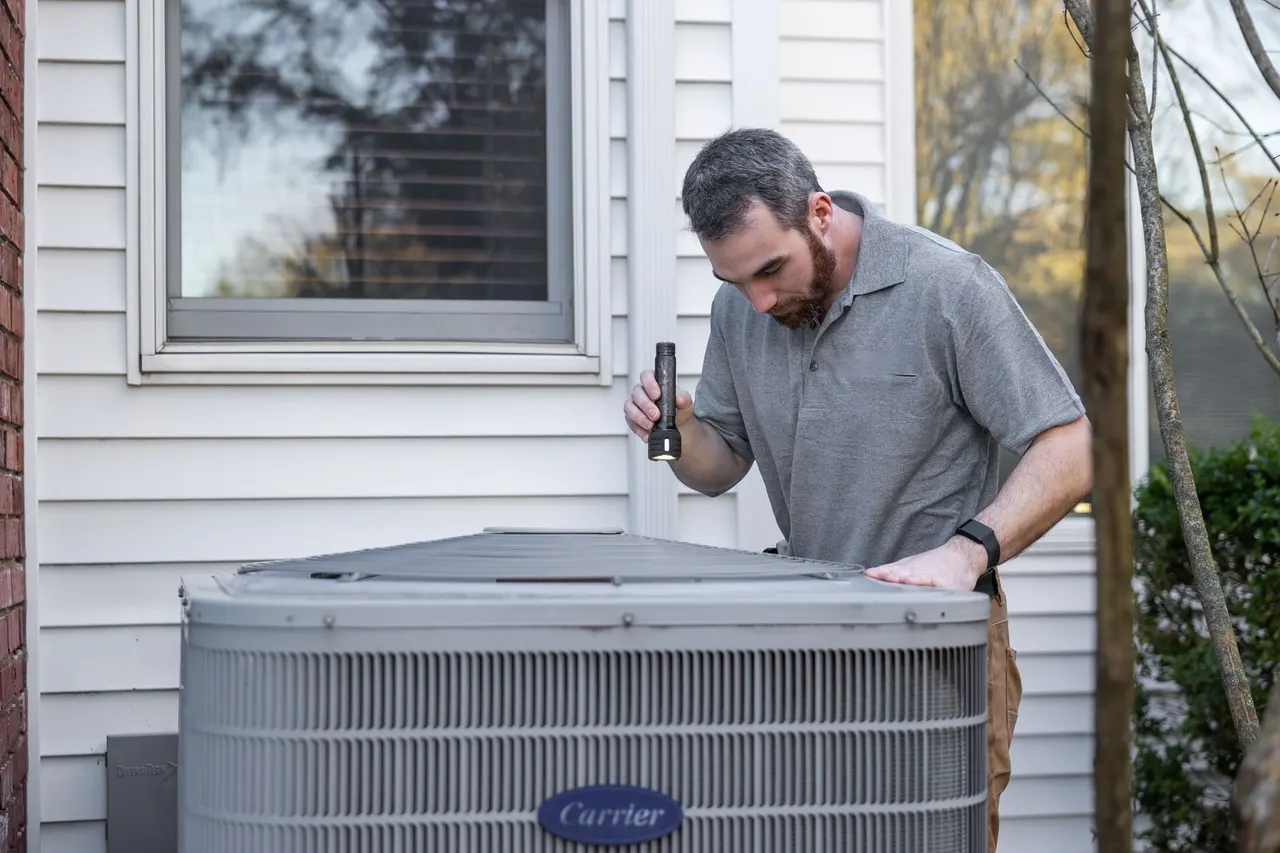
We install battery backup system setups with a deep-cycle battery and an automatic charger. We test every backup under load before we leave, and we mount it above the high-water line so it stays dry. You get hours of runtime during an outage. Naples thunderstorms knock out power, and that is exactly when your crawl space floods. A backup pump with a dead battery or a corroded switch will not run when the primary pump stops.
We pull the old basin, re-dig the pit if needed, and set a new perforated liner packed in gravel. We reset the pump level and test the float switch. The new basin keeps soil out and lets water flow in from all sides. A cracked basin lets sediment jam the pump impeller and causes the pump to short-cycle. Over time, the pit collapses and the pump sits crooked, which wears out the float switch.
A submersible sump pump moves 30 to 50 gallons per minute out of your crawl space during a heavy rain. That is fast enough to keep the water level below your floor joists. Without it, a 1,200 square foot crawl space can hold hundreds of gallons after a single summer storm.
Standing water pushes crawl space humidity past 80 percent. A crawl space sump pump setup for humidity control Naples Florida homes keeps the space closer to 55 percent, which stops the musty smell that drifts up through your HVAC returns and into living areas.
Wood floor joists absorb moisture and lose strength over time. We have pulled joists in East Naples that were soft enough to push a screwdriver into. A pump that runs when needed keeps the framing dry and saves you a five-figure structural repair.
Mold needs moisture and organic material. Your crawl space has both. When a crawl space sump pump installation in Naples, Florida keeps the slab and joists dry, mold spores never get the wet surface they need to colonize. That matters for indoor air quality in every room above.
Most crawl space sump pump installations in Naples run $850 to $2,400 in 2026. The low end covers a basic submersible pump, a standard basin, and a short discharge line. The high end includes a battery backup system, a sump pump alarm, and a longer discharge run. We give you a written price after we inspect the space, so you know the number before we start. There are no surprise add-ons.
What your estimate is based on
$850 - $2,400 depending on scope A crawl space sump pump installation costs less than repairing water-damaged floor joists or removing mold. The pump runs for years with basic maintenance, and it protects the structure of your home every rainy season.
Clear records you can keep and share.
Pump size, basin location, and discharge route
Three pump cycles before we leave
We show you the switch and backup
A pump is only as good as the basin and discharge line around it. We size all three together so the system works during the heaviest rain.
The basin must sit at the lowest point of the crawl space. If it is set high, water pools around it and the pump never gets ahead.
The discharge line must exit above grade and slope away from the foundation. A flat or back-sloped line lets water sit in the pipe and freeze or clog.
A battery backup runs the pump when the grid goes down. We mount it above the high-water line so it stays dry until the primary pump stops.

Outside these areas? Call and ask, we may still cover you. +12395220157
Yes, if your crawl space holds water or stays above 70 percent humidity. Naples has a high water table and a rainy season from June through September. Most crawl spaces here need a pump to move groundwater out before it wicks into joists and insulation. If you smell mustiness or see standing water after a storm, you need one.
Most crawl space sump pump installations in Naples run $850 to $2,400 in 2026. The low end covers a basic submersible pump, basin, and short discharge line. The high end includes a battery backup system, a longer discharge run, and a sump pump alarm. We give you a written price after we inspect the space.
A crawl space dewatering pump sits in a lined basin at the low point of your crawl space. When groundwater fills the basin, the float switch rises and turns on the pump. The pump pushes water through a check valve and out a PVC discharge line that slopes away from your foundation. It cycles automatically, day or night.
A standard crawl space sump pump installation takes four to six hours. That includes digging the pit, setting the basin, installing the pump and float switch, running the discharge line, and testing the system three times. If we add a battery backup or run a long discharge line, plan on a full day.
We install crawl space dewatering systems across Collier County. Call us for a same-day estimate, and we will crawl the space, measure the lift, and give you a written price. If your crawl space is already wet, we can bring a temporary pump to move water today.
Call us at +1 239-522-0157 or email [email protected]. We answer the phone during business hours and dispatch emergency calls after hours. Same-day estimates are available for most of Naples and Collier County. If you are not sure whether you need a repair or a full install, describe what you are seeing and we will tell you straight.