Written findings
Pump model, condition notes and next cleaning date
Sump pit cleaning Naples FL is the job that keeps your pump from choking on grit, rust and biofilm. If your basin smells, your float switch sticks, or the pump runs constantly, we pull the sludge, scrub the liner, test the pump and check valve, and haul the mess away. We serve homeowners and property managers across Collier County, from Old Naples to North Naples, and we leave the pit clean enough to see the bottom.
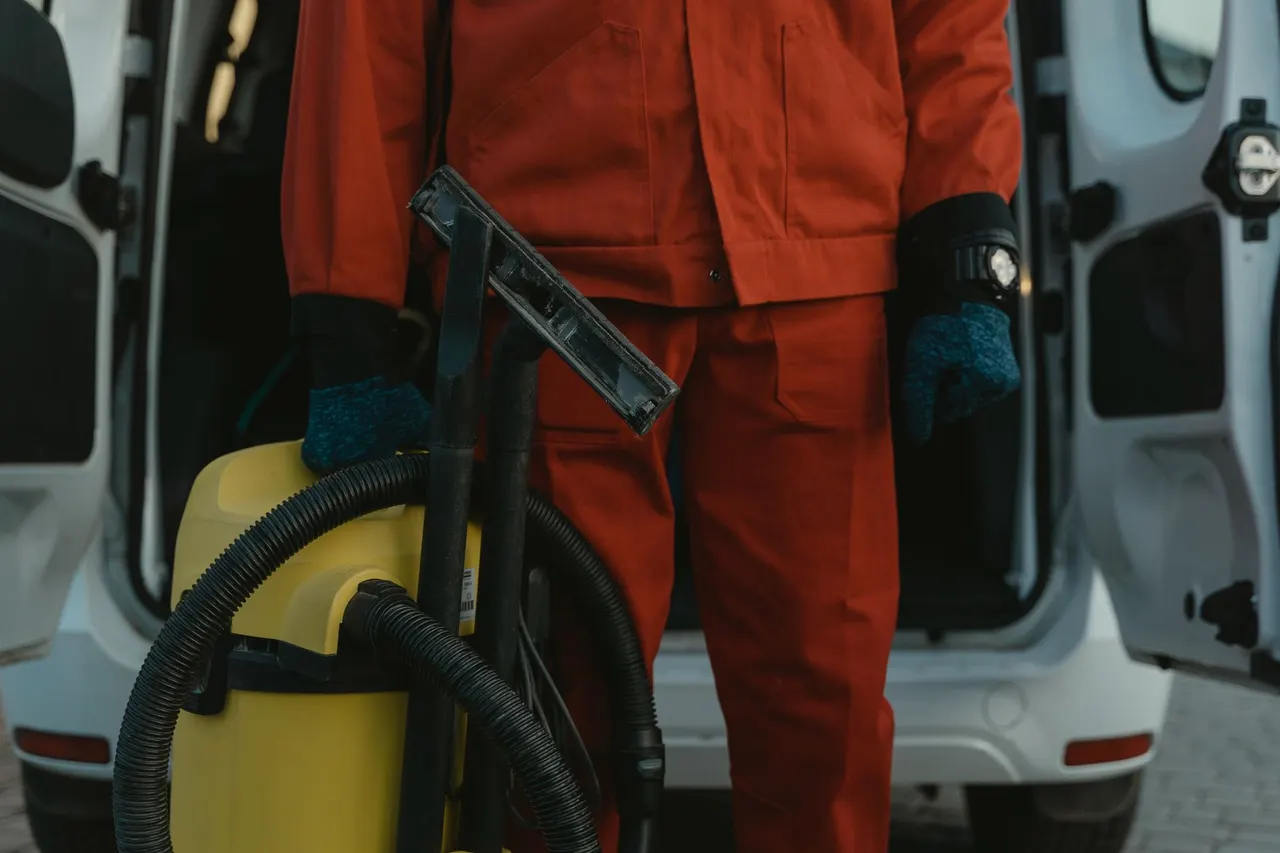
A standard cleaning covers the basin, the pump and the components we can reach with the pit open. If we find something worn out, we quote the repair separately before we touch it, so you always know what you are paying for.
We clean residential sump basins so the pump draws clear water instead of grit. Homeowners and tenants get a basin that stops smelling and a pump that cycles at a normal rate.
We clean sump basins in commercial buildings where a wet floor means lost business. Property managers and owners get documented visits and a basin that stays clear between service dates.
Sump pit cleaning Naples FL is the process of removing accumulated sediment, grit, rust scale and organic biofilm from the sump basin, then flushing the pit liner and testing the pump, float switch and check valve before the lid goes back on. Over time, every basin collects a layer of fine sand and iron residue that settles below the pump intake. That layer is what kills pumps early. We vacuum the slurry out, scrape the walls, rinse the liner, and verify the discharge line is clear.
Naples sits on a high water table, and during the June through November wet season the pump cycles dozens of times a day. That constant cycling pulls sand through the gravel and into the basin, and the warm standing water grows odor fast. Homeowners in Pelican Bay and Royal Harbor call us most often in October, right after the rainy season, when the pit has been working hardest. If you need sump basin cleaning Naples, the best window is before the first big storm, not after.
A sump pit works only as well as the basin it sits in.
Every visit follows the same sequence. Most residential pits take two to three hours from setup to cleanup.
We kill power at the dedicated circuit, confirm with a tester, and lift the basin lid. If your pit has a battery backup system or water-powered backup pump, we isolate that line too so nothing cycles while we work. Setup and safety checks take about 15 minutes.
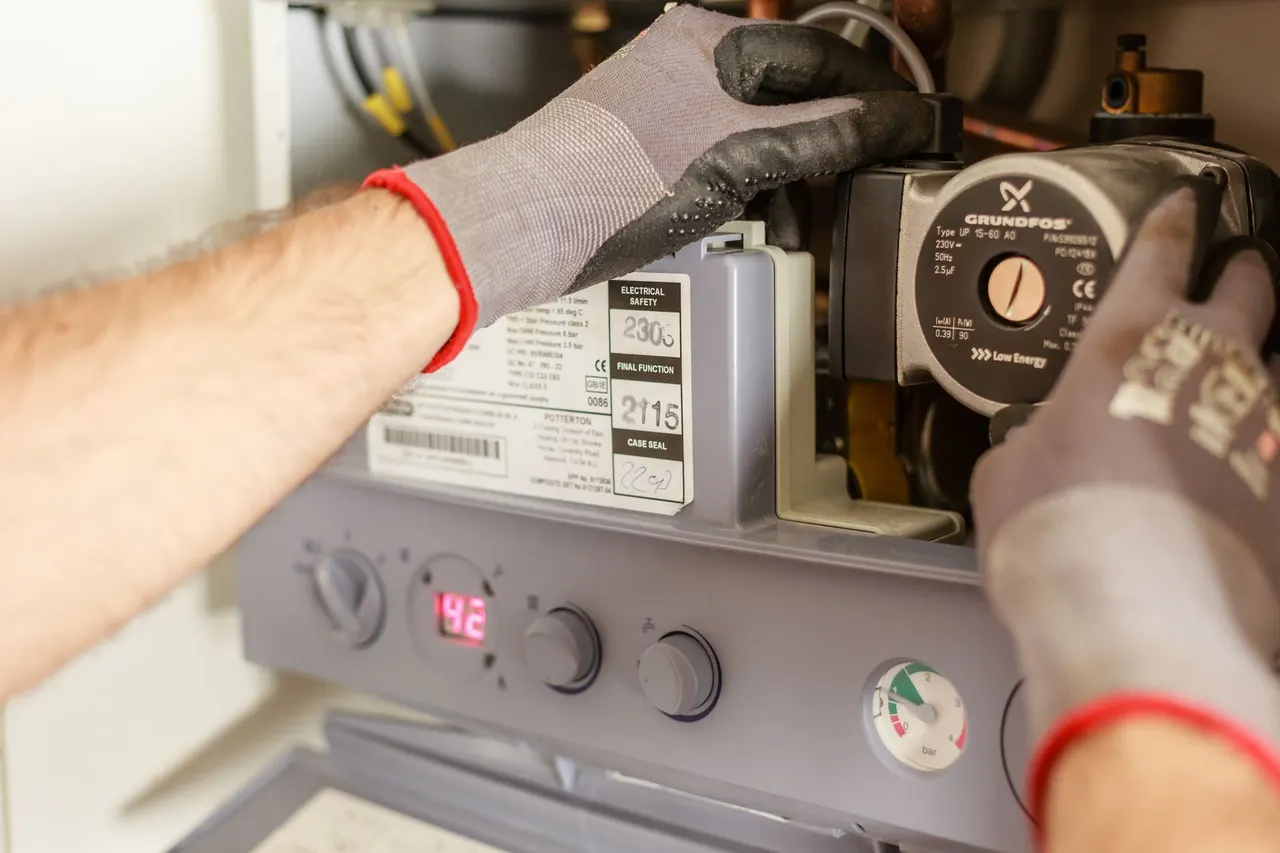
A submersible utility pump drops the standing water, then a wet vacuum pulls the slurry of sand, rust and biofilm off the bottom. We work the vacuum head into the corners and around the pump base where sediment packs hardest. This is the step that removes the source of the smell.

We scrape the walls of the sump pit liner with hand tools, then pressure-rinse the basin and vacuum the runoff. If the liner is cracked or the gravel bed has collapsed, we tell you on the spot and quote a sump pit repair or basin replacement. Rinsing takes two or three passes to run clear.
With the pit clean, we refill it and watch the float switch trip the pump. We time the drawdown, check the check valve for backflow, and inspect the PVC discharge pipe for cracks or soft spots. If the pump short-cycles or the float drags, you will see it happen, not hear about it later.
The lid goes back on, power is restored, and we run one final cycle to confirm everything works. You get a written summary of what we found, the pump brand and model we serviced, and a recommended next cleaning date. We haul every bit of debris away with us.
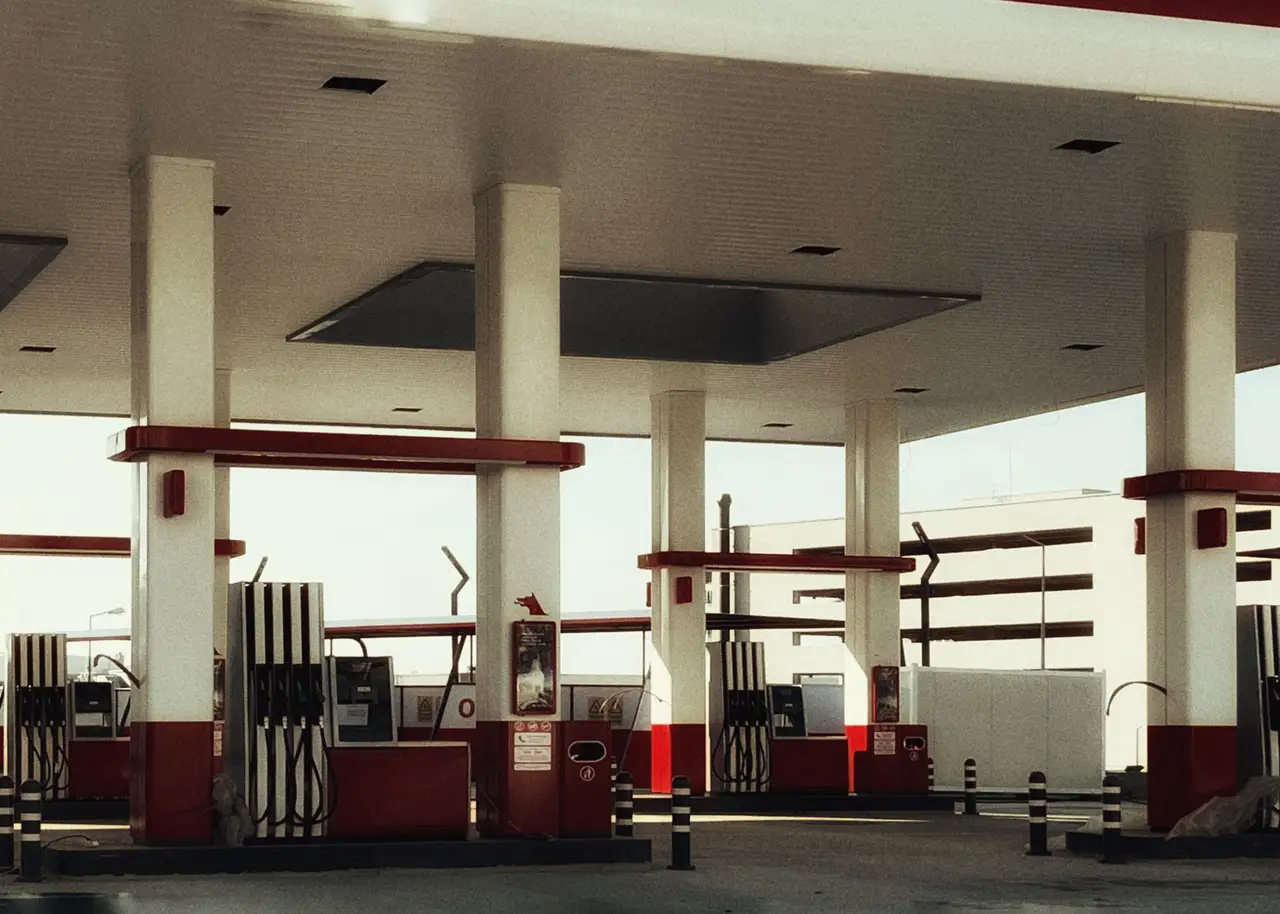
Drops the standing water in the basin fast so we can reach the sediment layer without waiting on the primary pump.
Pulls sand, grit and biofilm off the bottom and out of the corners where a pump alone will never clear it.
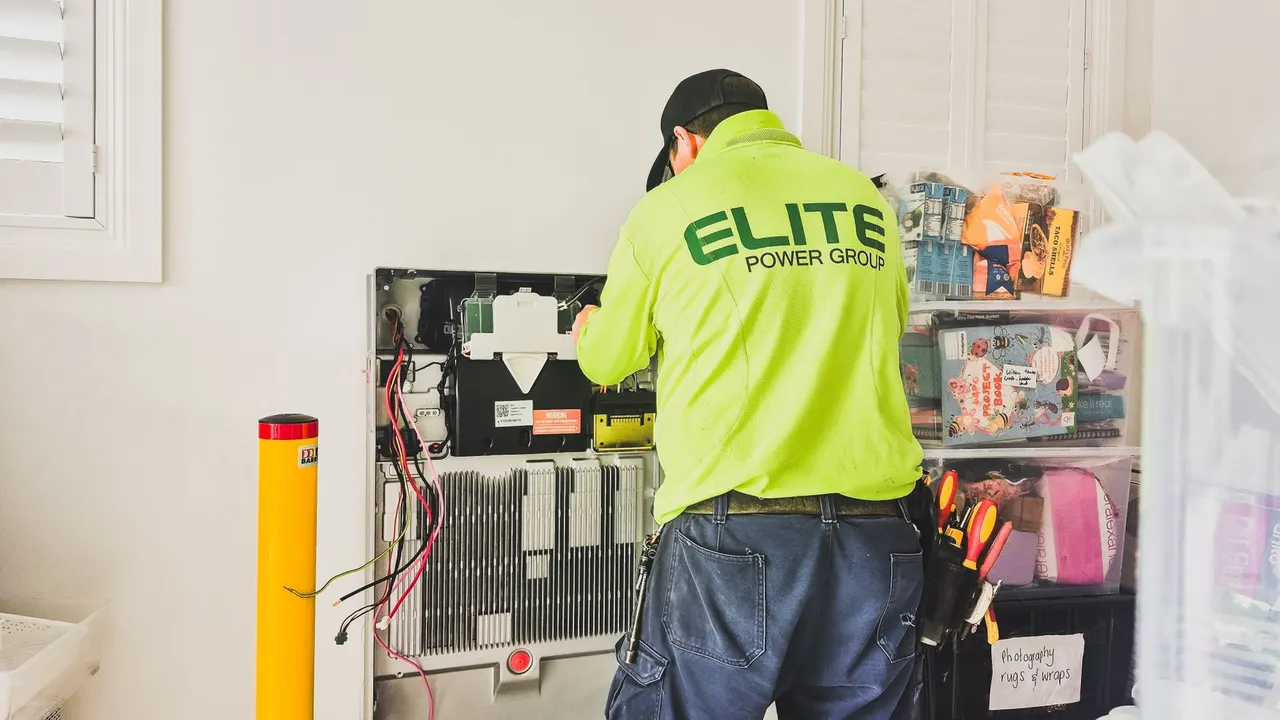
Lets us cycle the pump repeatedly under real load to confirm the switch trips and resets at the correct water levels.
Confirms the valve holds against backflow, which is the fastest way to explain a pump that cycles too often.
Inspects the inside of the PVC discharge pipe and the basin walls for cracks, root intrusion or sand blockage we cannot see directly.
Break the bonded layer off the sump pit liner so rinsing actually removes it instead of just wetting the surface.
We kill the dedicated circuit at the panel and verify with a tester before the lid comes off. If a battery backup system or water-powered backup pump is present, we isolate that circuit too so nothing cycles while we are in the basin.
The sequence matters. Pumping first exposes the sediment, vacuuming removes the bulk, scraping breaks the bonded layer off the liner, and rinsing flushes what is left. Skipping a step is why DIY cleanings still smell afterward.
We pump and vacuum the basin, scrape and rinse the liner, and test the pump under load. The check valve gets replaced because it is letting water drain back into the pit. The pump returns to normal cycling, roughly every 45 minutes during a wet week, and the motor runs noticeably quieter.
We clean the basin, disinfect the liner, and inspect the basin seal and lid gasket. We document the condition with photos so the owner has a record for the next turnover. The odor clears within a day and the unit passes inspection without a maintenance note.
We clean the pit and measure the inflow rate, then recommend a gravel bed refresh and a slightly deeper basin to reduce sand migration into the pump intake. Sediment buildup slows dramatically and the homeowner moves from annual cleaning to an 18-month interval.
We clean the basin, test the alarm sensor and float switch, and confirm the discharge line is clear. The alarm sensor gets repositioned above the normal trip point. The nuisance chirping stops and the alarm only triggers on a genuine high-water condition.
Naples sits on a high water table with sandy soil, and that combination is hard on sump basins. Sand migrates through the gravel bed and settles as a fine layer at the bottom, while warm standing water grows bacteria fast. From June through November, afternoon storms push the pump into heavy cycling, and by October most pits we open have an inch or more of sediment. Coastal neighborhoods like Aqualane Shores and Port Royal deal with salt-influenced groundwater that accelerates corrosion on float rods and check valve springs. Inland communities such as Golden Gate and Lely Resort see more sand intrusion from the soil profile. We schedule sump basin cleaning Naples visits around that calendar, prioritizing canal-front and low-lying properties before the wet season starts. If you want to know the cost of sump pit cleaning in Naples FL before booking, we quote it over the phone once you tell us the basin depth and access. Homes in the 34102 and 34103 ZIP codes often have shallow pits from older construction, which we handle with compact vacuum heads and careful float adjustment. Newer builds in 34105 and 34106 usually have deeper basins and sealed lids, which makes the cleaning faster but the lid gasket worth checking every visit.
The basin had roughly two inches of packed sand and rust scale, and the pump was cycling every ten minutes. The homeowner assumed the pump was failing and was ready to replace it.
After cleaning, the pump cycled every 45 minutes during a wet week and the motor ran noticeably quieter. A new check valve stopped the backflow that was causing the frequent cycling. The pump stayed in service.
We recommended a 6-month cleaning interval because of the canal-front water table, plus an annual float switch and check valve inspection.
The smell was strong enough to reach the living room, and the tenant had complained twice. The basin had a thick organic layer and the lid gasket was compressed and no longer sealing.
We removed the sediment, disinfected the liner and replaced the gasket. The odor cleared within a day, and the crawl space humidity reading dropped once the lid sealed properly again.
Annual cleaning plus a gasket check each visit. We also recommended keeping stored items off the soil near the pit to improve airflow.
The pump ran but water barely moved, and the basin refilled almost immediately. A borescope showed sand packed into the first six feet of the PVC discharge pipe.
We cleaned the pit, cut out and replaced the blocked section of discharge line, and flushed the run until flow was full. Drawdown time dropped from over four minutes to under 40 seconds.
We added a discharge line flush to the annual visit and recommended a gravel bed refresh to reduce how much sand reaches the pit.
Most of the calls we get are one of these four. All of them trace back to a basin that has gone too long without attention.

We remove the sediment layer completely, disinfect the liner and rinse until the basin runs clean. If the smell returns within weeks, we check the basin seal and discharge line for the real source. The odor spreads into living space and gets worse every month as the sediment layer thickens. It also signals bacteria that accelerate corrosion on the pump housing and float rod.
After cleaning the pit, we test the check valve for backflow and replace it if it fails. We also reset the float travel so it trips at the correct water level instead of catching on sediment. Constant cycling burns out motors early and drives up your electric bill. It usually means a worn check valve letting water drain back, or a float dragging in debris.
We measure the actual inflow rate with the pit clean, then tell you whether the pump is undersized, the discharge line is restricted, or the basin needs a second pump. We quote the fix before starting. That is a capacity problem, and it gets worse every storm. In a Naples wet season it can mean water on the floor within an hour of a heavy band moving through.
We reseat the basin, re-bed the gravel and repair or replace the liner. If the crack is structural, we quote a full sump pit repair or basin replacement and show you the damage on camera first. A cracked liner lets groundwater seep in around the pit and keeps the pump running even in dry weather. A collapsed bed tilts the pump and jams the float.
Sediment is the number one cause of premature pump failure. When grit builds up around the intake, the impeller grinds itself down and the motor runs hotter. Clearing the basin restores full flow and takes the load off the motor. Most submersible pumps that get cleaned every 12 to 18 months reach their rated service life instead of dying at year three.
That sulfur smell in your crawl space or utility closet is anaerobic bacteria feeding on organic sludge. Sump basin cleaning for odor removal Naples Florida is the fix, because the smell lives in the sediment, not the water. We remove the layer, disinfect the liner, and rinse until the basin smells like nothing at all. Most customers notice the difference the same afternoon.
A stuck float switch during a 2 a.m. storm means water on the floor by morning. Cleaning the pit clears the debris that jams the float and lets us test the switch under real load. We also check the check valve and discharge line while the pit is open, so a clogged line gets caught before it backs up into your basement or crawl space.
You cannot properly test a pump sitting in six inches of sludge. Once the basin is clean, we can measure the actual drawdown time, watch the float travel, and hear whether the motor is running loud or smooth. That is how we tell you honestly whether your pump has another five years or another five months.
Typical 2026 pricing for a residential sump pit cleaning in Naples runs $180 to $450, with most single-family homes landing near $250. The range reflects sediment depth, basin access, and whether the pit has a sealed lid that has to be lifted and reseated. Crawl space pits and pits under finished floors sit at the higher end because setup takes longer and we bring smaller equipment. If we find a failed float switch, a worn check valve or a cracked basin while the pit is open, we quote that repair before we start it. No surprise line items, no pressure to approve work you did not ask about.
What your estimate is based on
$180 - $450 depending on scope A cleaning costs a fraction of a pump replacement, and it is the single step that most extends pump life. Skip it and you are gambling on a wet floor during the next storm.
Clear records you can keep and share.
Pump model, condition notes and next cleaning date
Sediment layer, pump base and discharge line
All sludge and rinse water removed from site
Pumping the water out is not cleaning the pit. The sediment layer on the bottom is what causes odor, wears the impeller and jams the float, and it has to be physically removed.
Sand, rust scale and biofilm settle below the pump intake where a running pump never disturbs them. Vacuuming that layer out is the core of the job.
A float switch that drags through sludge trips late or sticks entirely. Cleaning the basin and resetting the float travel is what restores reliable switching.
A check valve that leaks lets water drain back and doubles the pump cycle count. Testing it with the pit open is the only way to catch it early.
Outside these areas? Call and ask, we may still cover you. +12395220157
Once every 12 months is right for most Naples homes, and every 6 months if your property sits near a canal, retention pond or low-lying street. The high water table here means pumps cycle hard from June through November, pulling sand and grit into the basin. If you can smell the pit from three feet away, or the pump runs longer than 30 seconds to clear a normal fill, do not wait for the annual date.
Typical 2026 pricing in this area runs $180 to $450 for a standard residential basin, depending on sediment depth, access, and whether the pit has a sealed lid. Add $75 to $150 if we find a failed float switch or a clogged check valve that needs replacing while we are in there. Crawl space pits with tight access sit at the top of that range because setup takes longer.
The smell comes from anaerobic bacteria breaking down organic sludge and iron bacteria in the sediment layer, not from the water itself. Warm standing water in a closed basin speeds that up, which is why Naples pits get ripe faster than pits up north. Cleaning out the sediment and disinfecting the liner removes the food source. If the odor returns within a month, the discharge line or the basin seal is the next thing to check.
You can do a light rinse yourself, but full cleaning means killing power, lifting a sealed lid, vacuuming slurry, and testing the float switch under load. If you want to know how to clean sump pit safely Naples FL, the short answer is: de-energize the circuit first, never reach into a pit with the pump plugged in, and wear gloves because the sediment carries bacteria. Most homeowners call us once they see how much debris is down there.
One visit clears the sediment, kills the odor and tells you the real condition of your pump. We quote the cleaning before we start, and we carry the common parts to finish the job the same day. Call now and we will get your basin on the schedule.
Call us at +1 239-522-0157 or email [email protected]. We answer the phone during business hours and dispatch emergency calls after hours. Same-day estimates are available for most of Naples and Collier County. If you are not sure whether you need a repair or a full install, describe what you are seeing and we will tell you straight.