Written scope
Pit depth, basin size, and pump options spelled out.
Sump pit installation Naples FL gives your home a permanent low point where groundwater collects instead of spreading under your floor. We cut through the slab or crawl space floor, set a perforated liner in gravel, and connect the discharge so a submersible pump can move water out fast. If your crawl space floods every rainy season, this is the fix that stops it at the source.
Every pit we install comes with the liner, gravel bed, discharge plumbing, and a full cycle test. Pump, battery backup, and alarm are quoted as separate line items so you can see exactly what each part adds. Here is what the base scope covers.
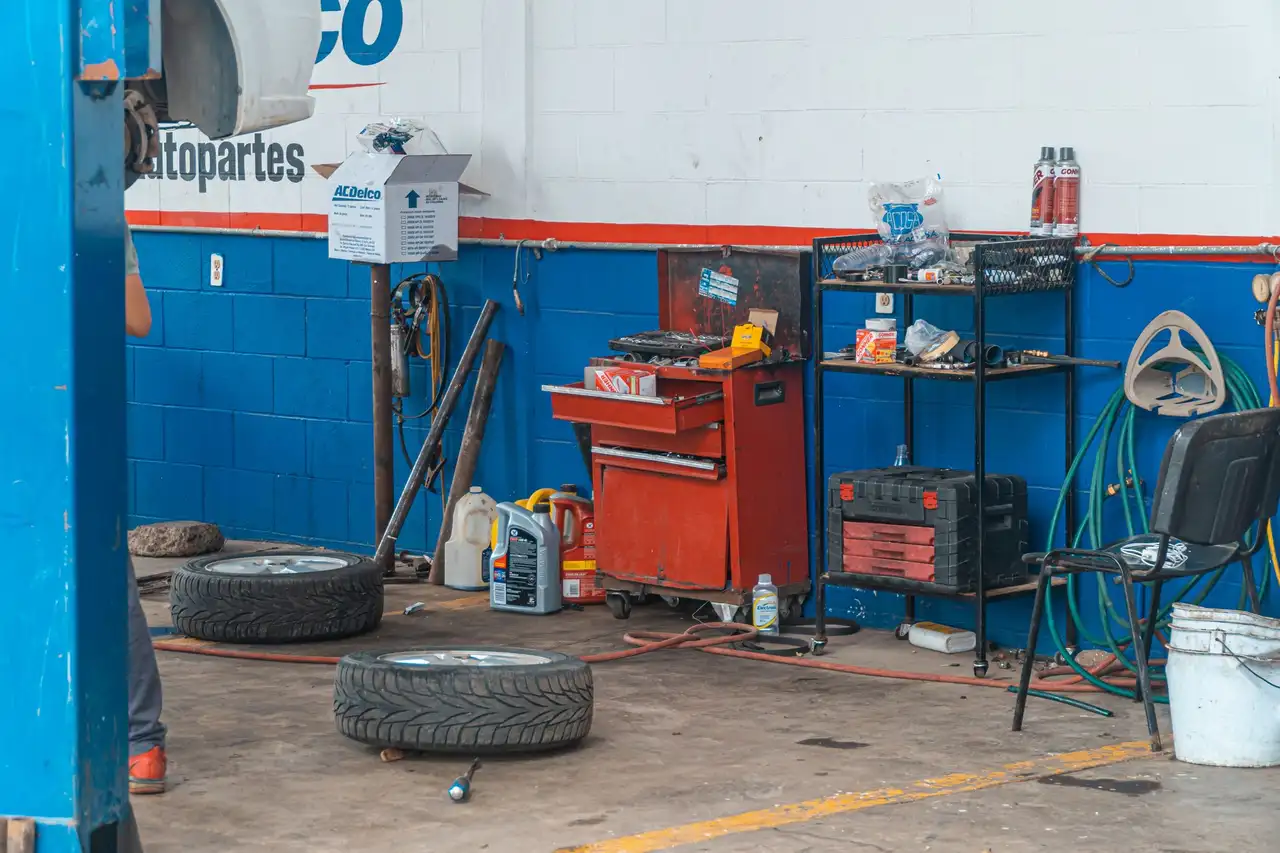
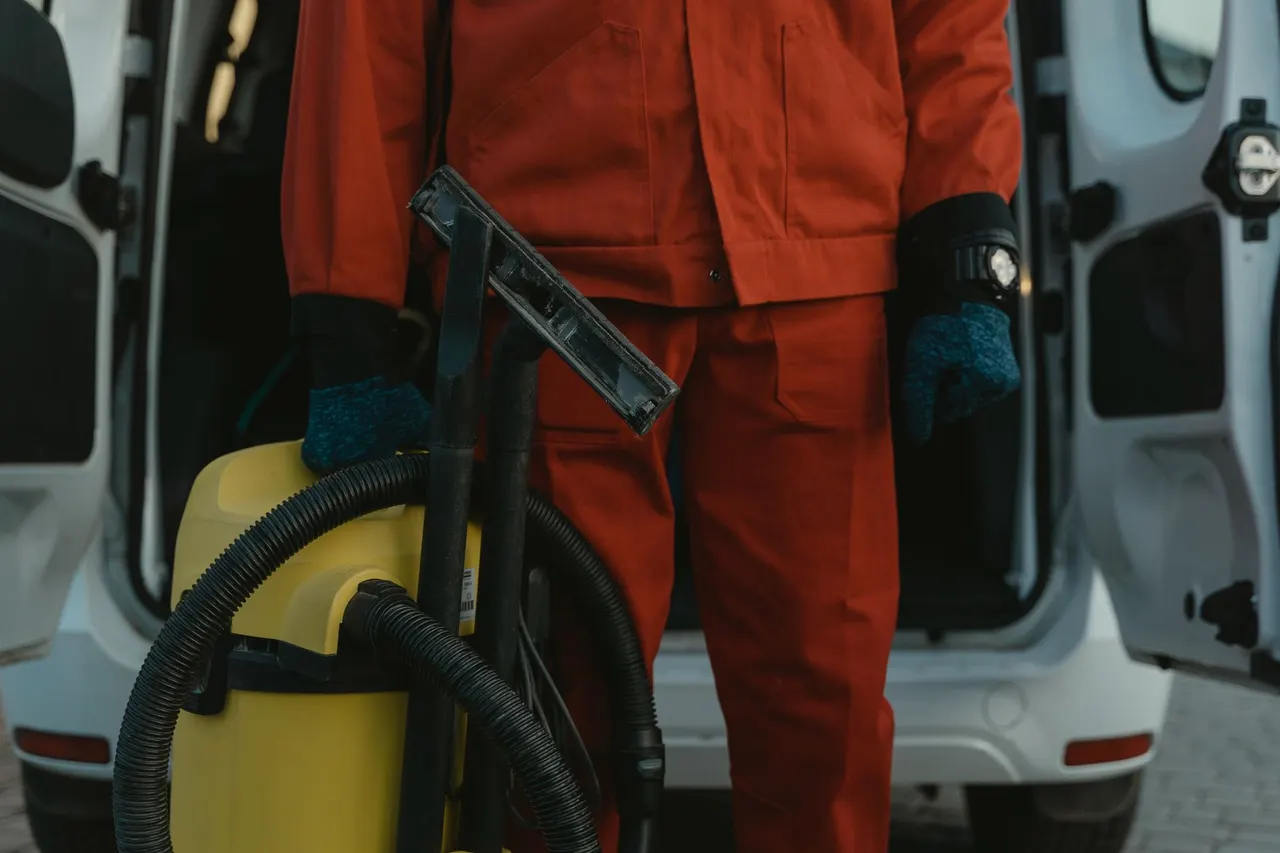
We cut the pit at the true low point and set a lined basin so groundwater collects in one place. Your pump then has somewhere to work instead of sitting in mud.
We install pits in commercial buildings where water intrusion threatens inventory and floors. The work is scheduled around your operating hours so business keeps running.
Sump pit installation Naples FL is the excavation and lining of a collection point below your floor so a pump has a place to draw water from. We cut a square opening roughly 24 by 24 inches, dig to a depth that clears your local water table, and set a perforated sump pit liner in a bed of gravel. The liner keeps soil from collapsing inward, and the gravel lets groundwater seep in from all sides. Once the basin is set, we plumb a PVC discharge pipe through the wall, fit a check valve, and wire the pump to a dedicated circuit that meets NEC electrical code.
Naples sits on a high water table, and that is the whole reason this work matters here. During the June through September rainy season, water has nowhere to go, so it pushes up under slabs and into crawl spaces in older East Naples and Bayshore homes. A properly sized pit gives that water a single collection point instead of letting it spread. If you have been searching for sump pit installation near me Naples and getting thin answers, we walk the property, check the grade, and tell you exactly where the pit belongs before we cut anything.
A pit is only as good as the low point it sits on and the liner that holds it.
Five steps, one day for most homes. We handle the layout, the cut, the liner, the plumbing, and the test before we pack up.
We walk the crawl space or basement, check the slab grade, and find the true low point. We also look at where the discharge line can exit without freezing or dumping onto a neighbor's property. This takes about 30 minutes and tells us the pit depth and basin size you need.

We mark the pit footprint, typically 24 by 24 inches, then cut the concrete or vapor barrier with a wet saw to control dust. You get plastic sheeting over nearby stored items. The cut itself runs one to two hours depending on slab thickness and rebar.

We dig to the depth your water table demands, usually 24 to 30 inches, then bed a perforated sump pit liner in washed gravel. The liner goes in level so the float switch reads accurately. We backfill around it with gravel so groundwater enters from every side.

We run PVC discharge pipe through the rim joist or wall, install a check valve to stop backflow, and drill a weep hole above the pump. Electrical work goes to a dedicated GFCI circuit that meets NEC electrical code. This step takes two to three hours.
We set the submersible sump pump, adjust the float switch travel, and fill the basin with a hose to confirm the pump kicks on and off at the right levels. You watch the test. We leave with the pit running, the lid seated, and the discharge flowing clear.
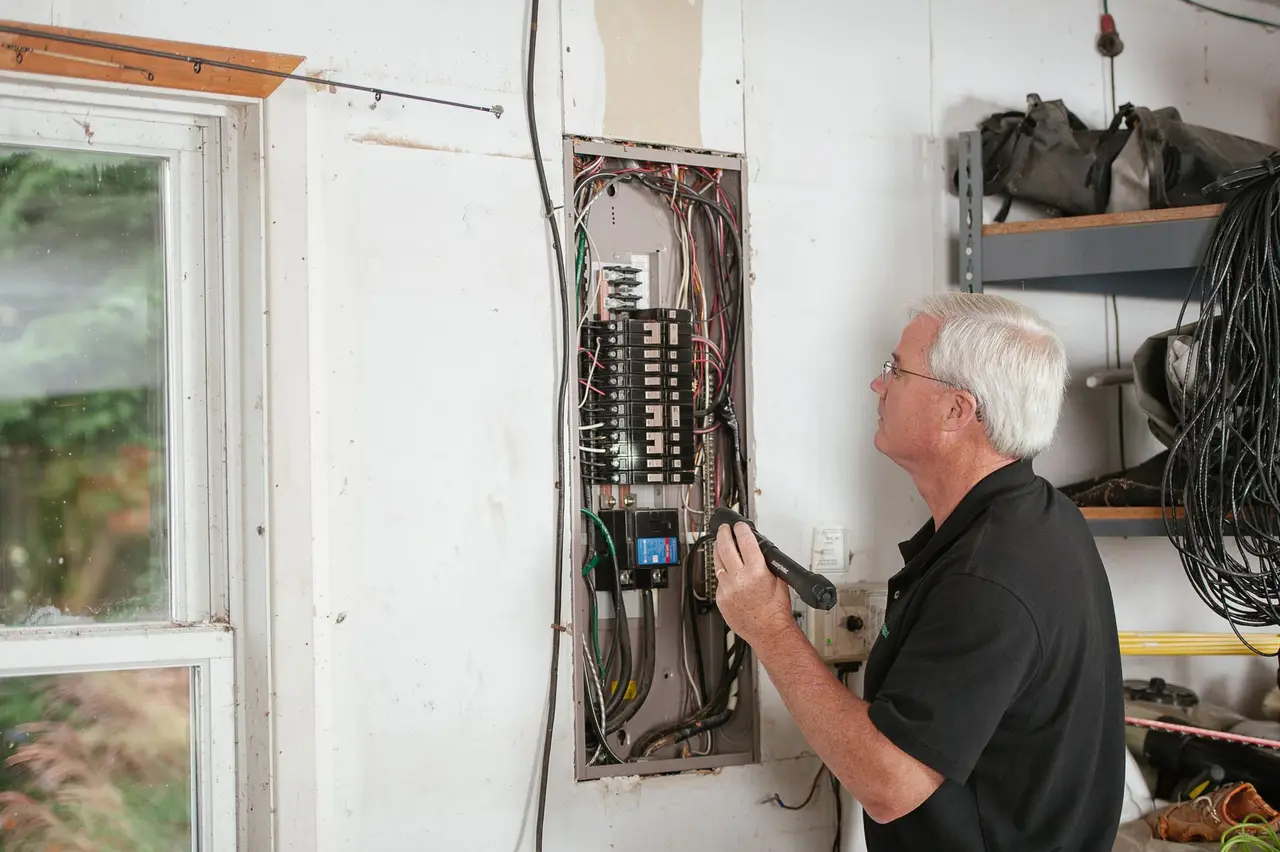
Cuts through slab concrete and rebar with controlled dust. The wet cut keeps the edge clean so the liner seats flush against the opening.
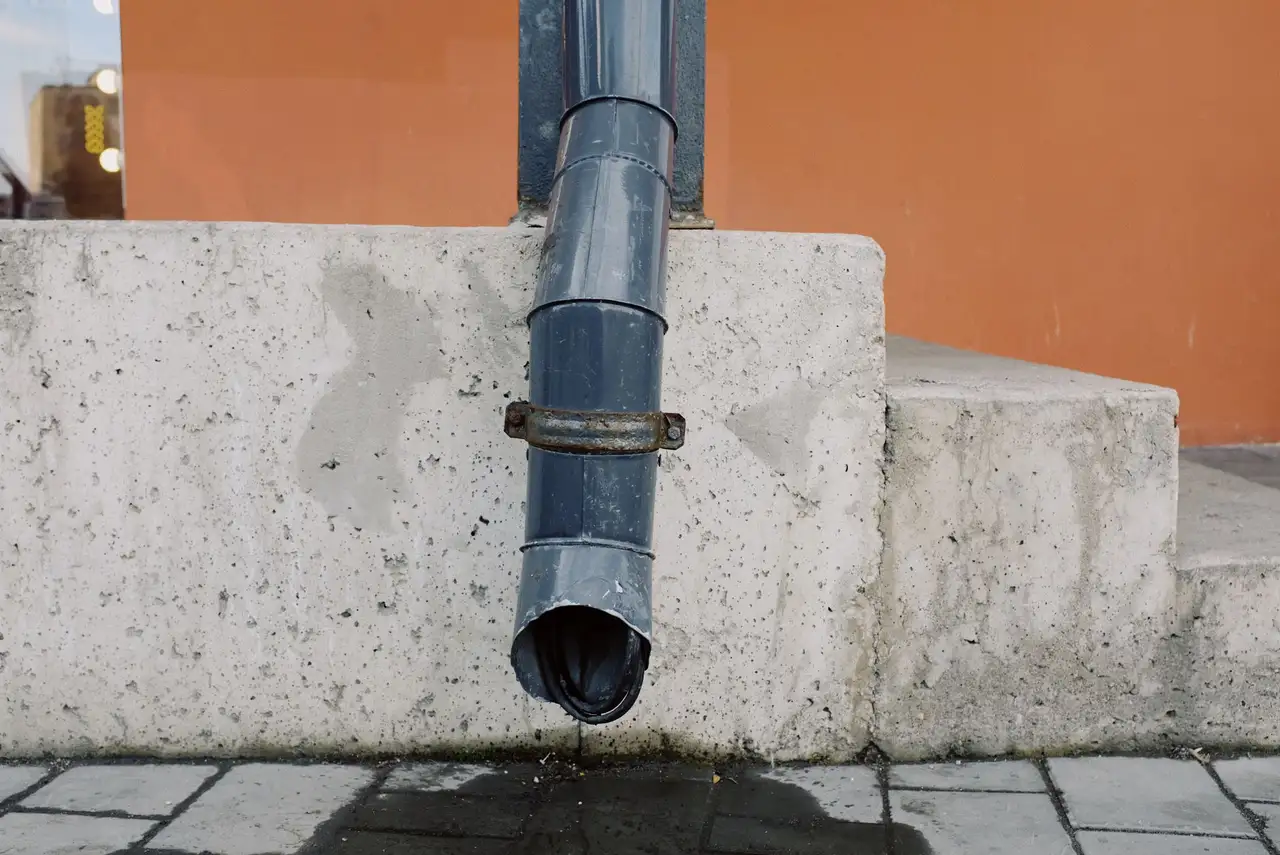
Holds the basin shape and lets groundwater enter from all sides. We bed it in washed gravel so it stays level and stable through wet cycles.
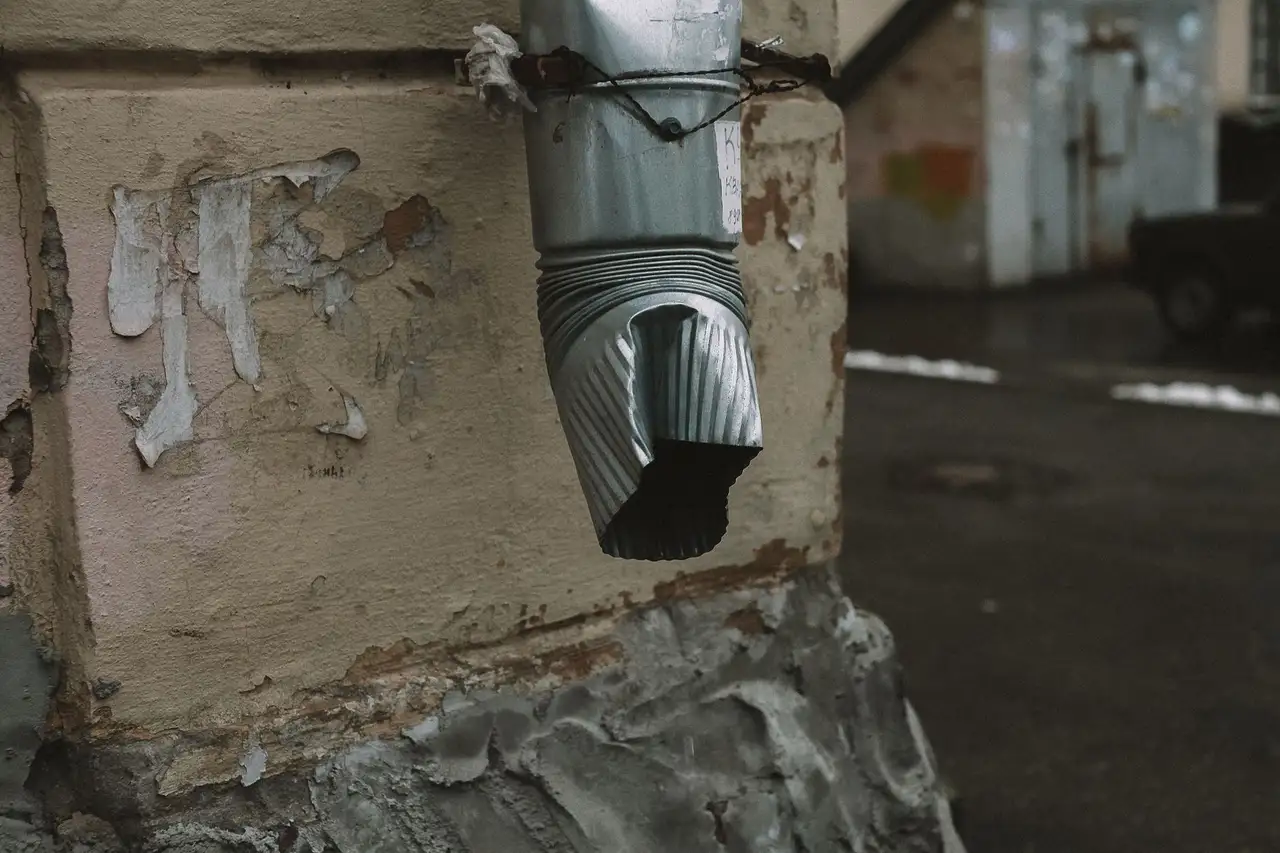
Sits inside the basin and moves water out through the discharge line. We stock Zoeller, Wayne, and Liberty Pumps units sized to your pit volume.
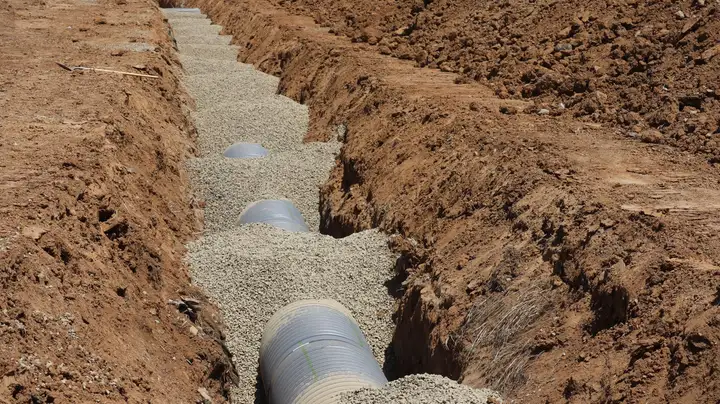
Turns the pump on and off at set water levels. We adjust the travel during the cycle test so the pump does not short-cycle or run dry.
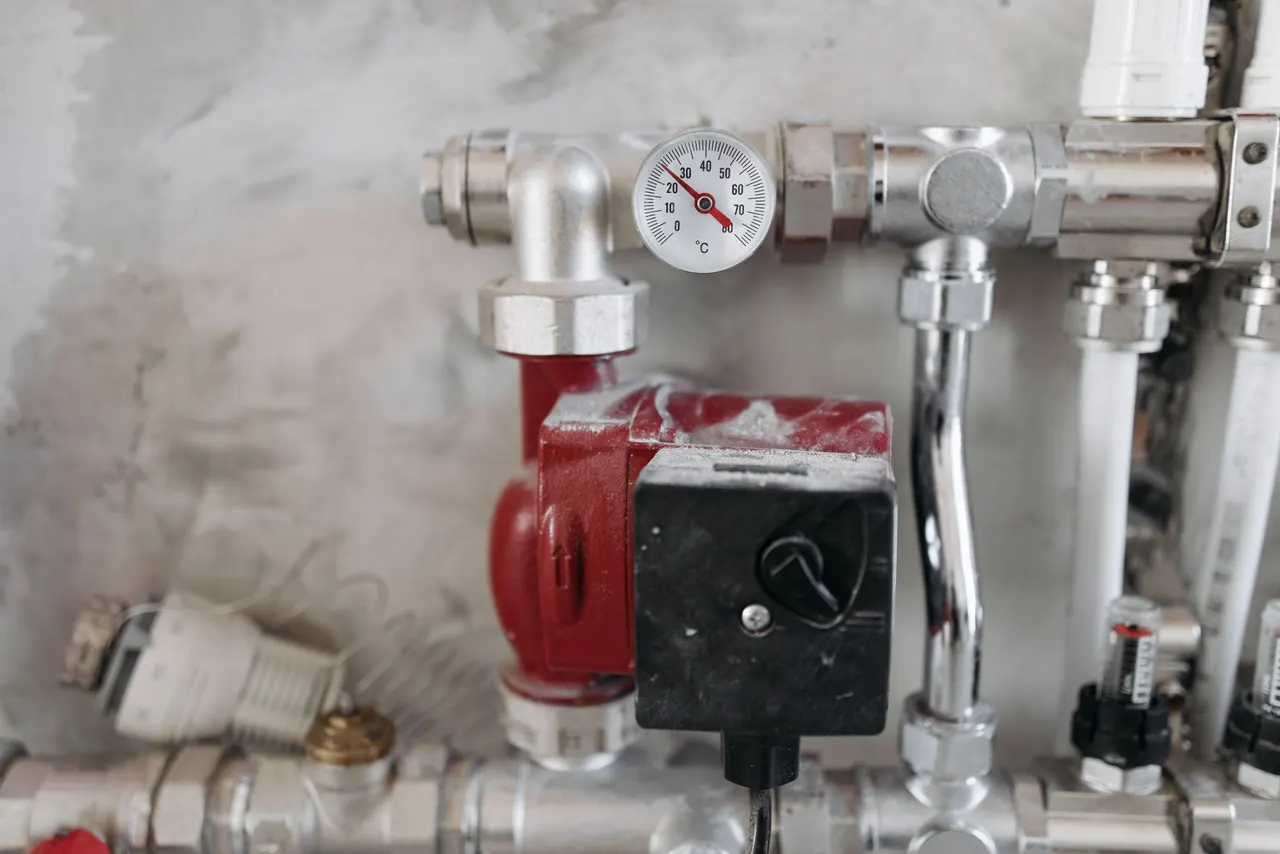
Stops water from flowing back into the pit after the pump shuts off. Installed on the vertical discharge line within a foot of the pump.
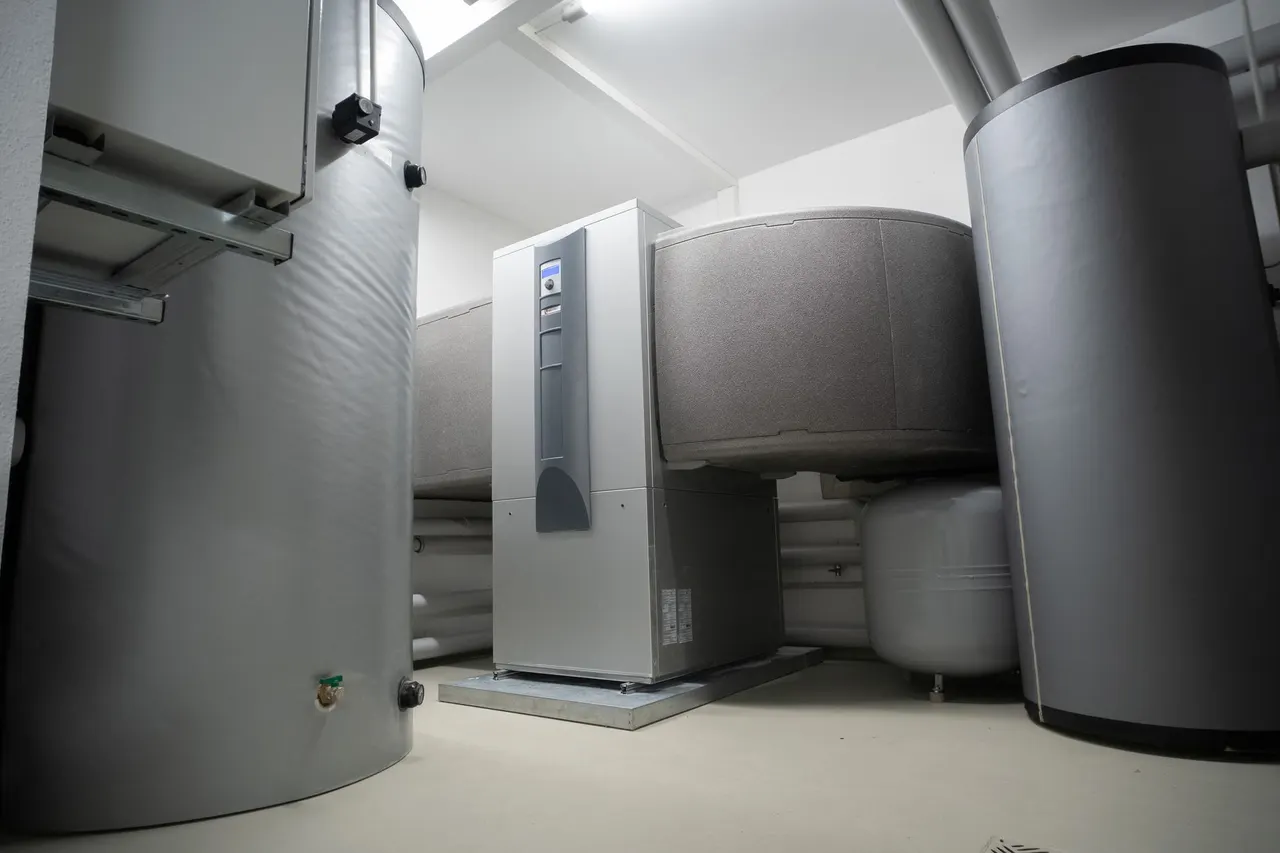
Carries water from the pit to a safe exit point. We pitch the run so it drains fully and add a weep hole to prevent airlock.
Sounds before water reaches the floor. Mounted on the pit lid with the sensor set at the right height and tested with water.
Before we cut, we check the grade and the seasonal water table behavior in your neighborhood. That tells us the pit depth and basin size you need. A pit that is too shallow short-cycles the pump; one that is too deep adds cost with no benefit.
We cut through the vapor barrier, set a 24-inch basin in gravel, and route the discharge out through the foundation wall. A submersible pump handles the flow, and we seal the lid to keep humidity down. The crawl space stays dry through the rainy season, and the homeowner can finally store items under the house without mold.
We core through the slab at the low point, set a lined basin below the footer line, and run the discharge up and out through the wall. The circuit is wired to a dedicated GFCI breaker. Water drains to the pit instead of pooling on the slab, and the garage floor stays dry after storms.
We install a sump basin liner with a gravel bed, replace the check valve, and set a new submersible pump on a solid base. The tenant gets a walkthrough on what the alarm sounds like. Maintenance calls drop to one annual tune-up, and the owner stops replacing pumps every year.
We set a compact basin with a sealed lid and a submersible pump that runs quietly. The discharge ties into an existing drain line so nothing is visible from the exterior. The lower level stays dry and the system is silent enough that guests never notice it running.
Naples sits on a high water table, and that shapes every pit we install. From June through September, the ground is saturated and water pushes up under slabs and into crawl spaces. In older neighborhoods like East Naples and Bayshore, we often dig 30 inches to clear the seasonal rise. Newer construction in North Naples and Lely Resort tends to have better grading, so a 24-inch basin usually handles the flow. The Florida Building Code governs how we penetrate the slab and where the discharge can exit, and we pull permits when the scope requires it. If you have been looking for a sump pit installation service Naples FL homeowners actually recommend, we walk the property first and tell you where the pit belongs before we cut. That is how you avoid a basin that fills faster than the pump can move water.
A 1965 bungalow had a dirt crawl space that flooded every August. The homeowner ran a portable pump after storms and still had standing water for days. Subfloor framing was damp and insulation had sagged.
We cut through the vapor barrier, set a 24-inch perforated basin in washed gravel, and plumbed a PVC discharge through the foundation wall. A submersible pump with a new check valve now cycles automatically. The crawl space dried within three days and stayed dry through the next rainy season.
Annual float switch check and a basin flush before June. We also recommend a sump pump alarm on the lid so the homeowner knows if water ever rises above the trigger point.
A 2005 slab-on-grade home had water pooling in the low corner of the garage after every heavy rain. The slab stayed damp for weeks, and stored boxes were ruined twice in one summer.
We cored through the slab at the low point, set a lined basin below the footer line, and ran the discharge up and out through the wall. The pump is wired to a dedicated GFCI circuit. The garage floor has stayed dry through two storm seasons since.
We test the pump cycle each spring and check the discharge exit point for blockages. A quick hose test takes ten minutes and confirms everything is working before the rains start.
A rental property had a pump sitting in a bare dirt hole. It clogged every few months, and the property manager was replacing the unit once a year. Tenants complained about noise and a musty smell.
We installed a sump basin liner with a gravel bed, replaced the check valve, and set a new submersible pump on a solid base. The pit now runs quietly and has not clogged since. Maintenance calls dropped to one annual tune-up.
We schedule a yearly visit to flush the basin, test the float, and check the discharge line. The tenant gets a short walkthrough on what the alarm sounds like and who to call.
Standing water under a Naples home is not a cosmetic issue. It rots subfloors, feeds mold, and ruins stored items. A lined pit gives that water one place to go and one machine to move it.

We install a lined pit at the low point and connect a submersible pump with a discharge line. Groundwater collects in the basin instead of spreading across the floor. Most Naples crawl spaces dry out within days of the install. Subfloor framing stays damp for months, insulation sags, and mold takes hold. Repair costs climb fast once wood starts to rot.
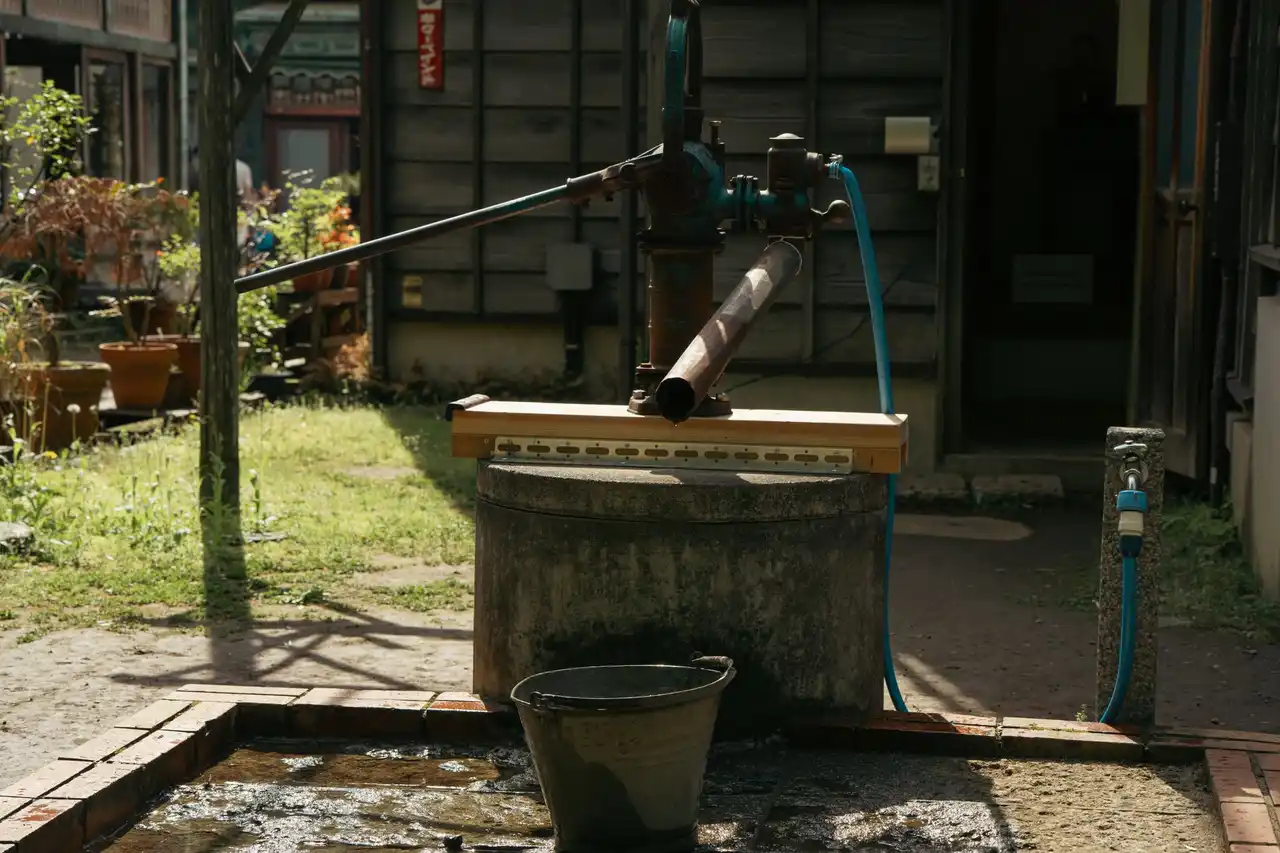
We set a perforated sump basin liner in washed gravel so debris stays out of the pump intake. The pump sits on a solid base and runs clean. That single change is why our installs last through multiple storm seasons. Grit destroys the impeller, the pump short-cycles, and you replace it every year or two. Each failure risks a flood during the next storm.
We size the pit for backup runtime and can add a battery backup system or water-powered backup pump on the same visit. The basin holds enough volume to cover the gap until the backup takes over. A storm knocks out the grid and the primary pump stops. Without basin volume or a backup, water reaches the floor within an hour.
We cut out the failed basin, re-excavate, and set a new liner bedded in gravel. The pump and discharge are reused if they test clean. Most replacements finish in a single day. A failing liner collapses inward, the pump sucks mud, and the pit stops collecting water. The floor above stays wet no matter how often you run the pump.
A lined pit collects groundwater before it spreads across the crawl space floor. In a typical Naples home, that means the difference between a damp, musty subfloor and a dry one you can actually inspect. We set the pit at the true low point so water flows to it by gravity, not by luck.
Pumps dropped into a bare dirt hole suck grit and clog fast. A sump basin liner with gravel bedding keeps debris out of the impeller and lets a submersible sump pump run for years instead of months. That one detail is why some pumps last five years and others last one.
Storms knock out power in Collier County every summer. A correctly sized pit holds enough volume that a battery backup system or water-powered backup pump can keep up during an outage. We size the basin so you get real runtime, not a basin that overflows in twenty minutes.
Once the pit is in, float switch replacement, check valve swaps, and sump pit cleaning all become ten-minute jobs instead of demolition. You get a sealed lid you can lift, and everything the pump needs sits within arm's reach. That keeps long-term maintenance cheap.
Typical 2026 pricing for a residential pit in Naples runs $850 to $2,400, depending on depth, access, and discharge routing. A basic crawl space pit with no pump sits at the low end. Slab-on-grade cuts, long discharge runs, and battery backup wiring push toward the top. Pump and electrical work are quoted separately so you can see exactly what each part costs. We give you a written scope before we start, and the final invoice matches it.
What your estimate is based on
$850 - $2,400 for the pit, liner, gravel, and discharge plumbing; pump and electrical quoted separately A correctly built pit protects your subfloor, your stored items, and your foundation. The cost of one flooded crawl space repair usually exceeds the entire install. We build it once, build it right, and test it with you watching.
Clear records you can keep and share.
Pit depth, basin size, and pump options spelled out.
Perforated liner set level on a washed gravel bed.
Pump run with water while you watch.
The pit depth and the liner quality matter more than the pump brand. Get those two right and the system runs for years.
A pit that is too shallow short-cycles the pump and burns it out. We measure the water table behavior before we dig. The right depth depends on your specific neighborhood.
A bare dirt hole lets grit into the pump and collapses over time. A perforated liner bedded in gravel keeps the basin stable. That single detail extends pump life significantly.
Size the basin for the backup you plan to add, not just the primary pump. Storm season outages are common in Naples. A basin with enough volume gives a battery backup time to take over.
Outside these areas? Call and ask, we may still cover you. +12395220157
Most residential pits run $850 to $2,400 in 2026, including the cut, liner, gravel, and discharge plumbing. A basic crawl space pit with no pump sits at the low end. Slab-on-grade cuts, long discharge runs, and battery backup wiring push toward the top. Pump and electrical work are quoted separately so you can see exactly what each part costs.
In most Naples homes, 24 to 30 inches deep and about 24 inches square is the working range. The exact depth depends on your water table and how much drawdown volume the pump needs. We measure before we cut. A pit that is too shallow short-cycles the pump; one that is too deep just costs more with no benefit.
You need one if water stands in your crawl space after summer storms, if your slab feels damp near the low corner, or if you already have a pump sitting in a dirt hole. Naples has a high water table and a long rainy season, so standing water under a home is common. A lined pit is the permanent fix.
A standard crawl space pit takes four to six hours from cut to test. Slab-on-grade jobs with thicker concrete and longer discharge runs can stretch to a full day. We schedule the work in one visit and test the pump with you standing there before we leave. You get a dry pit and a working discharge the same day.
We cut, line, and test the pit in one day for most Naples homes. Call now and we will give you a written scope with the pit depth, basin size, and pump options before we start. Same-day estimates available.
Call us at +1 239-522-0157 or email [email protected]. We answer the phone during business hours and dispatch emergency calls after hours. Same-day estimates are available for most of Naples and Collier County. If you are not sure whether you need a repair or a full install, describe what you are seeing and we will tell you straight.