Sensor height
Set 1 to 2 inches above pump start
Sump pump alarm installation Naples FL gives you an audible and visible warning the moment your basin water climbs past a safe level. We fit alarms to submersible and pedestal pumps, wire them to code, and test the float switch before we leave. If you own a home in Collier County, a vacation property, or a rental near the coast, this is the cheapest insurance against a flooded floor you will ever buy.
Every alarm install covers the sensor, the control head, the wiring, and three live tests. Add-ons like cellular dialers, extra sensors, or a new basin lid are quoted separately and only if you need them.


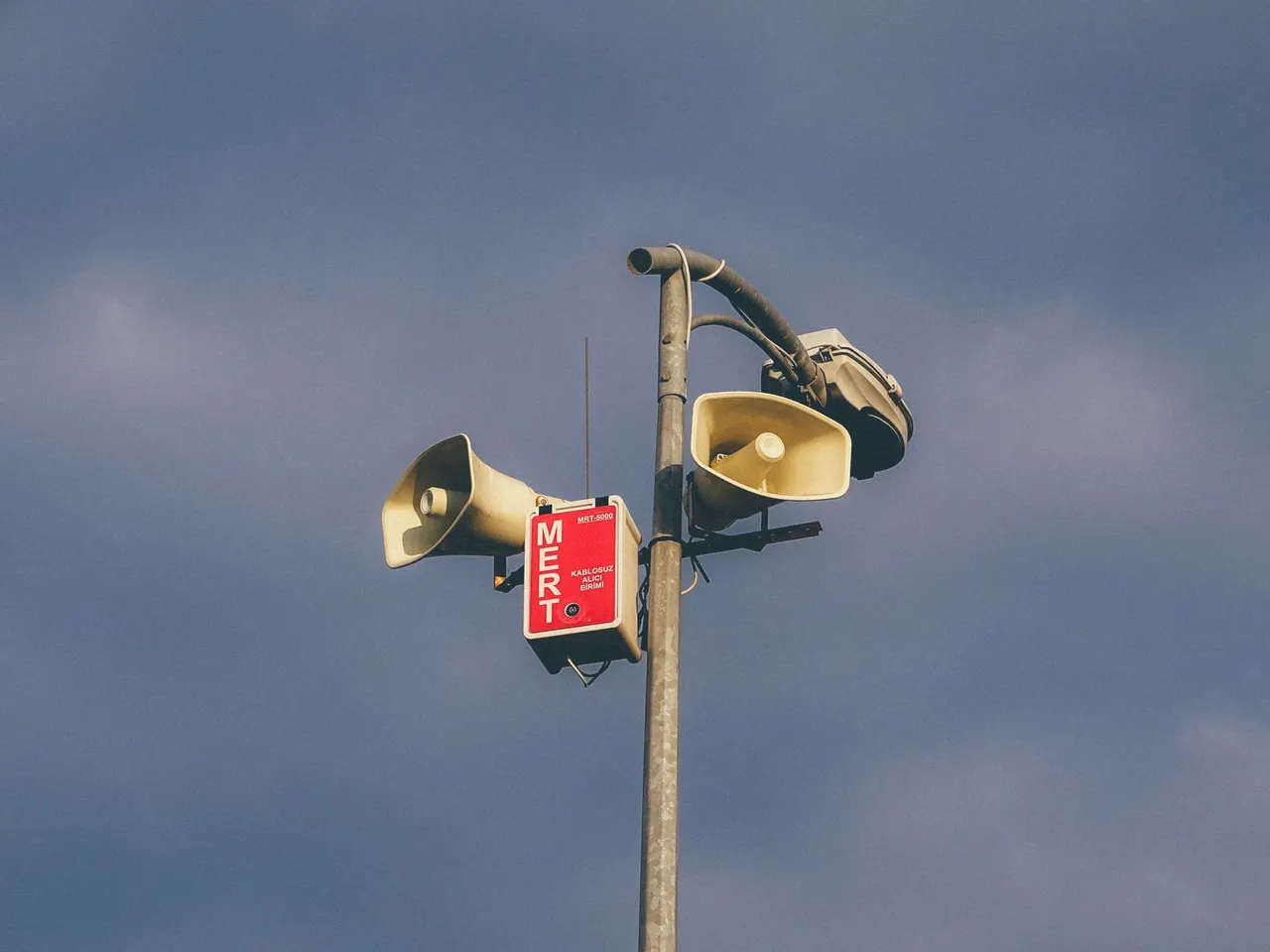
We fit alarms to submersible and pedestal pumps in garages, crawl spaces, and utility closets. The sensor goes in the basin, and the horn goes where you will actually hear it.
We install and label alarms across multi-unit buildings, rental homes, and small commercial spaces. Each sensor is set to the pump it watches.
Sump pump alarm installation Naples FL is the work of mounting a high-water sensor inside your sump basin, wiring it to a control unit, and setting an audible alarm that trips before water reaches your floor. The alarm itself is simple, but the install is not: we drill and seal the basin lid, route low-voltage wire away from the discharge line, and set the float switch height to match your pump's shutoff point. A properly placed sensor catches a failed float switch, a clogged discharge line, or a pump that has lost power long before you would notice a wet carpet.
Naples homes sit on a high water table, and summer storm season pushes the water table up fast. If your pump quits at 2 a.m. during a downpour, you find out when the garage floods. A sump pump alert system installation Naples gives you minutes of warning instead of hours of cleanup. We see it most in older East Naples and Golden Gate homes with original basins, and in seasonal properties where nobody is around to hear the pump run.
An alarm only helps if it trips at the right height and you can hear it.
Five steps, one visit, no guesswork. Here is exactly what happens from the phone call to the final test.
We ask what kind of pump you have, how old the basin is, and whether the pit has ever overflowed. That tells us if you need a standard float sensor or a dual-sensor setup. You get a straight price range on the call, usually $180 to $450 depending on wiring and lid condition.

Our technician pulls the basin lid, checks the float switch travel, and looks for a cracked sump basin or a discharge line that is partly clogged. We measure the pit depth and the water level at rest. If the pump is on its way out, we tell you before we install anything.
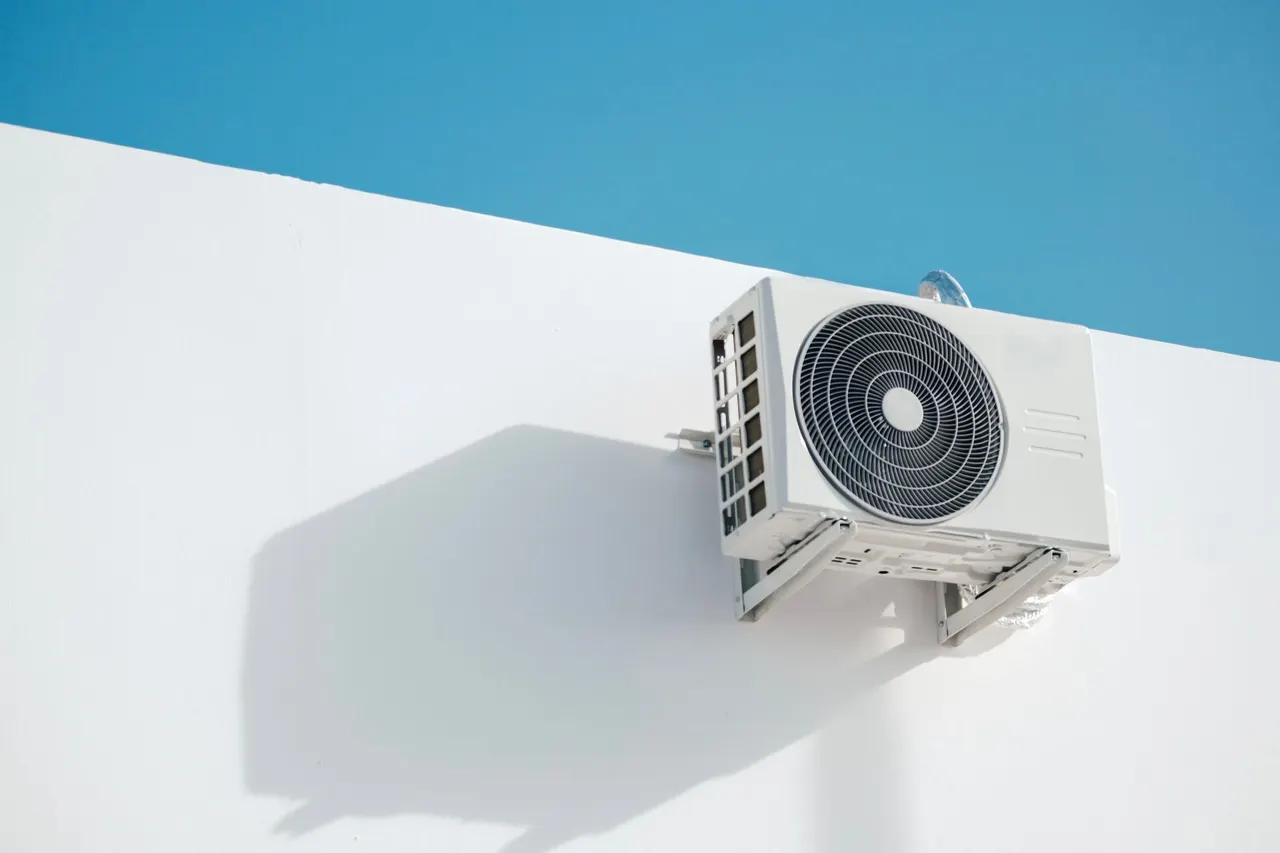
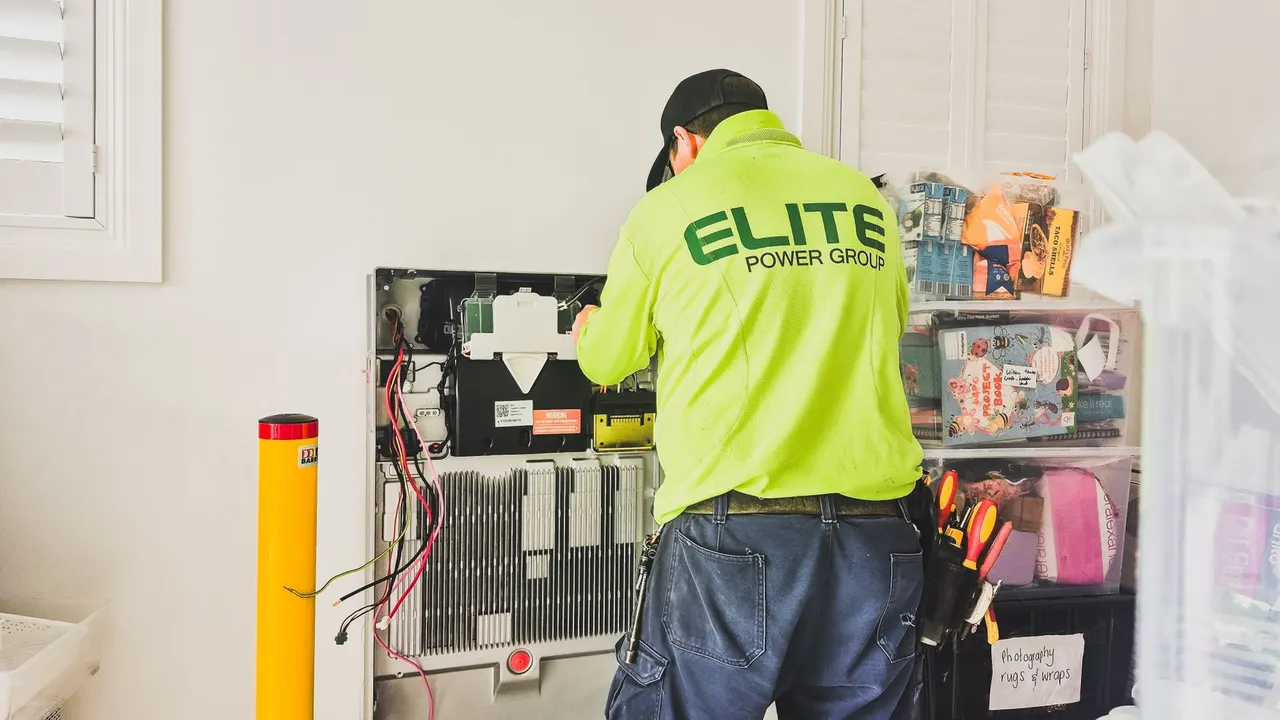
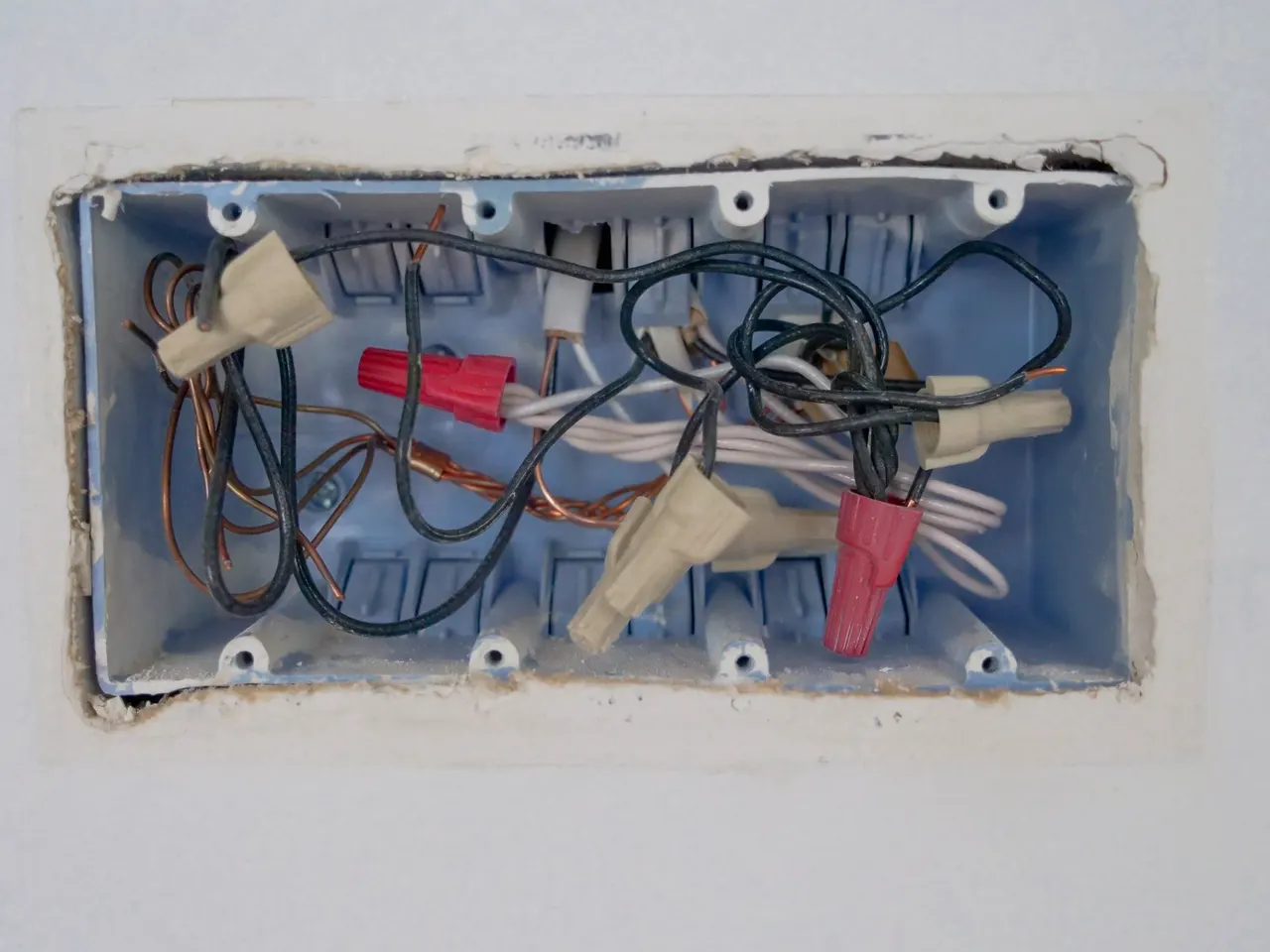
We mount the alarm head on the wall or on the basin lid, drill and gasket the sensor port, and run low-voltage wire clear of the PVC discharge pipe. All line-voltage connections go into a junction box that meets NEC electrical code. The sensor sits at a height we set with you watching.
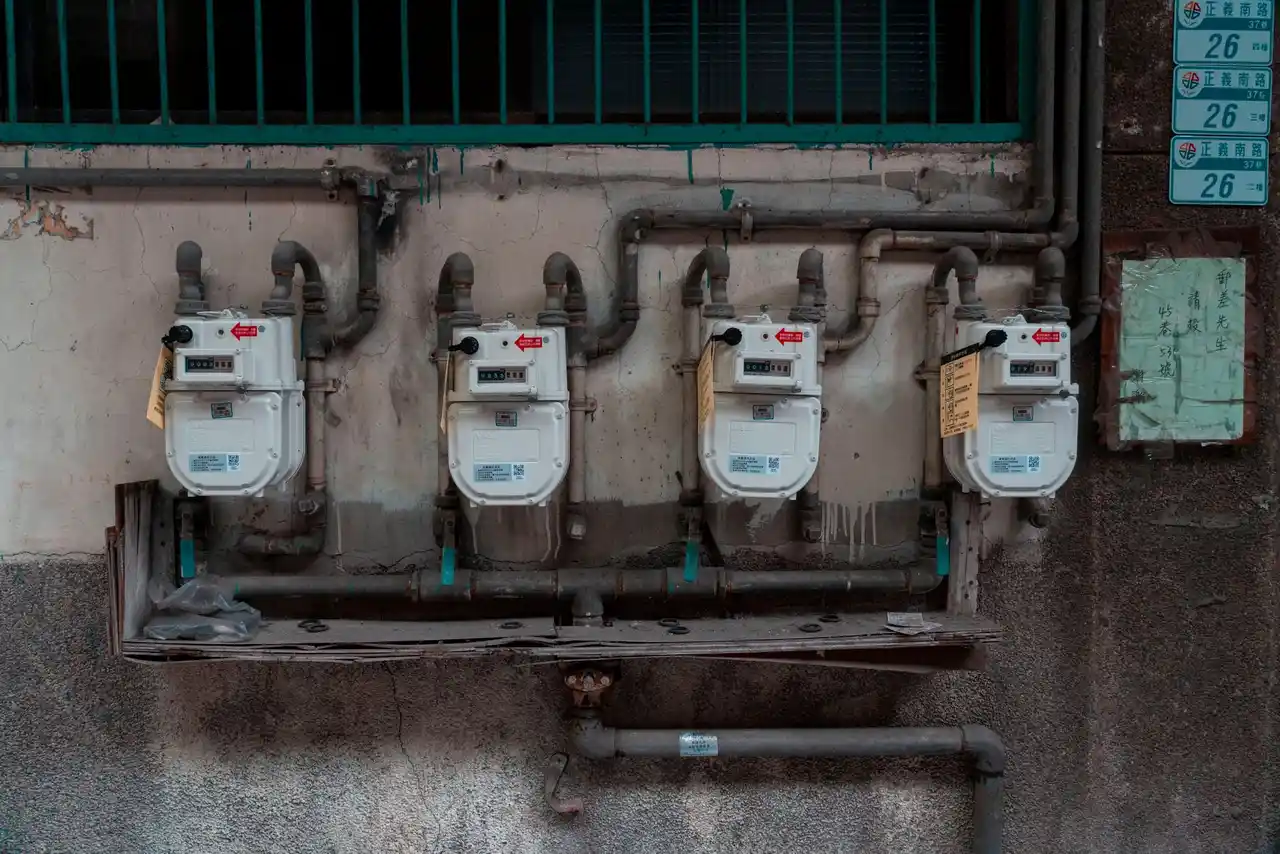
We fill the basin with a hose until the alarm trips, then time how long it takes to reset. We test it three times, check the battery backup circuit, and confirm the alarm is loud enough to hear from the far end of the house. You watch every test.

We show you how to silence the alarm, how to test it yourself with a cup of water, and what to check if it goes off at 3 a.m. You get the model number, the sensor height, and our direct line. The whole visit takes 90 minutes to two hours.

Our most-installed audible alarms, chosen for loud horns and simple reset buttons. Both hold up well in humid Naples garages.

Used when the customer wants a combined backup pump and alarm setup with a single control panel.

Float and probe sensors that fit tight basins where a standard float switch will not travel freely.

We inspect and, when needed, replace the discharge line and check valve so the pump can actually move water during a test.

Every sensor port gets a gasket and a bead of sealant so the pit stays airtight and radon-safe.
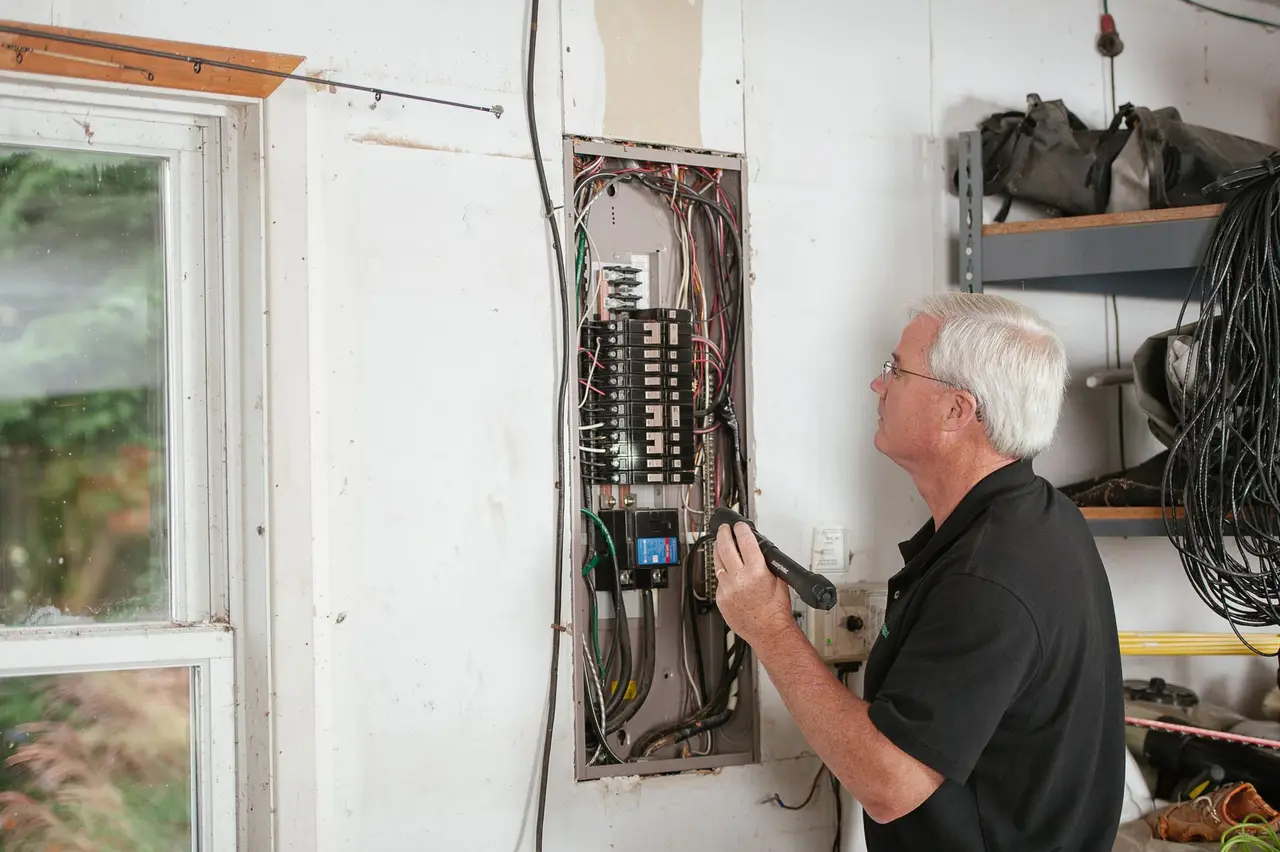
All line-voltage connections land in a proper box that meets NEC electrical code, with strain relief at every entry.

We fill the basin on purpose to trip the alarm three times. No install is finished until the horn sounds in front of you.

We measure your pump's start and stop levels, then set the alarm sensor 1 to 2 inches above the start point. That gap gives you warning without false trips from normal pump cycling.
We installed a float-based alarm with a 95-decibel horn and set the sensor 2 inches above the pump start level. The whole job took 90 minutes. The alarm tripped twice the following summer. Both times the homeowner cleared a minor blockage and avoided any floor damage.
We fitted each basin with a matched sensor, labeled every control head, and documented the trip height for each unit in a single sheet. One alarm tripped in the first season and the tenant handled it before water reached the carpet. No emergency calls since.
We installed an alarm with a cellular dialer that calls and texts when the sensor trips, plus a battery circuit that stays live during outages. The alarm called in September. A neighbor checked the pit, found a clogged discharge line, and cleared it the same day.
We replaced the lid, sealed the sensor port with gasket and sealant, and installed a standard audible alarm with a battery backup circuit. The pit now stays airtight and quiet, and the alarm has tested clean at every maintenance visit since.
Naples sits on a high water table, and from June through October the ground is often saturated before the rain even starts. That means your sump pump is working hardest when the power grid is most likely to flicker. We set alarm sensors higher in East Naples and Golden Gate, where older concrete basins and original float switches are common, and we add cellular dialers for the seasonal properties around Vanderbilt Beach and Pelican Bay. Florida Building Code governs how we penetrate and seal the basin lid, and every line-voltage connection follows NEC electrical code. A sump pump alarm for high water level Naples FL is not a luxury here. It is the difference between a wet shop vac and a restoration bill. We also check the discharge line for the calcium scale that builds up in our hard water.
An older concrete basin with a 12-year-old pump and no alarm. The float switch had stiffened, and the pump failed to start during a July storm. Water reached the garage floor before the homeowner noticed.
We replaced the float switch, installed a Zoeller audible alarm, and set the sensor 2 inches above the pump start level. The basin has since filled twice during storms, and the alarm tripped both times with 20 minutes to spare.
Test the alarm with a cup of water every three months. Replace the 9-volt battery annually, and have us check the float switch travel each spring.
A seasonal property that sat empty from May to November. The owner had no way to know if the pump failed, and a previous clogged discharge line had caused a small flood that went unnoticed for weeks.
We installed an alarm with a cellular dialer and a battery backup circuit. The dialer called the owner in September when the basin rose. A neighbor cleared the discharge line the same day, and the floor stayed dry.
Confirm the dialer has active service each season. We re-test the sensor and battery at the start of every storm season.
A property manager had six units with mismatched pumps and no alarms. One tenant had already filed a water-damage claim after a silent failure in a ground-floor unit.
We fitted each basin with a matched sensor and labeled every control head. Trip heights were documented per unit. One alarm has tripped since, and the tenant handled it with a shop vac before any damage.
We service all six alarms together each spring, replacing batteries and re-testing every sensor in a single visit.
Most Naples flood damage starts with a pump that failed quietly. These are the failures we see most, and how the alarm changes the outcome.
We wire the alarm to a battery circuit so it keeps sounding when the grid is down. You get warning while there is still time to act, even if the primary and backup pumps are both dead. The basin fills within 20 to 40 minutes and water reaches the floor before anyone notices. By morning, drywall and stored items are soaked.
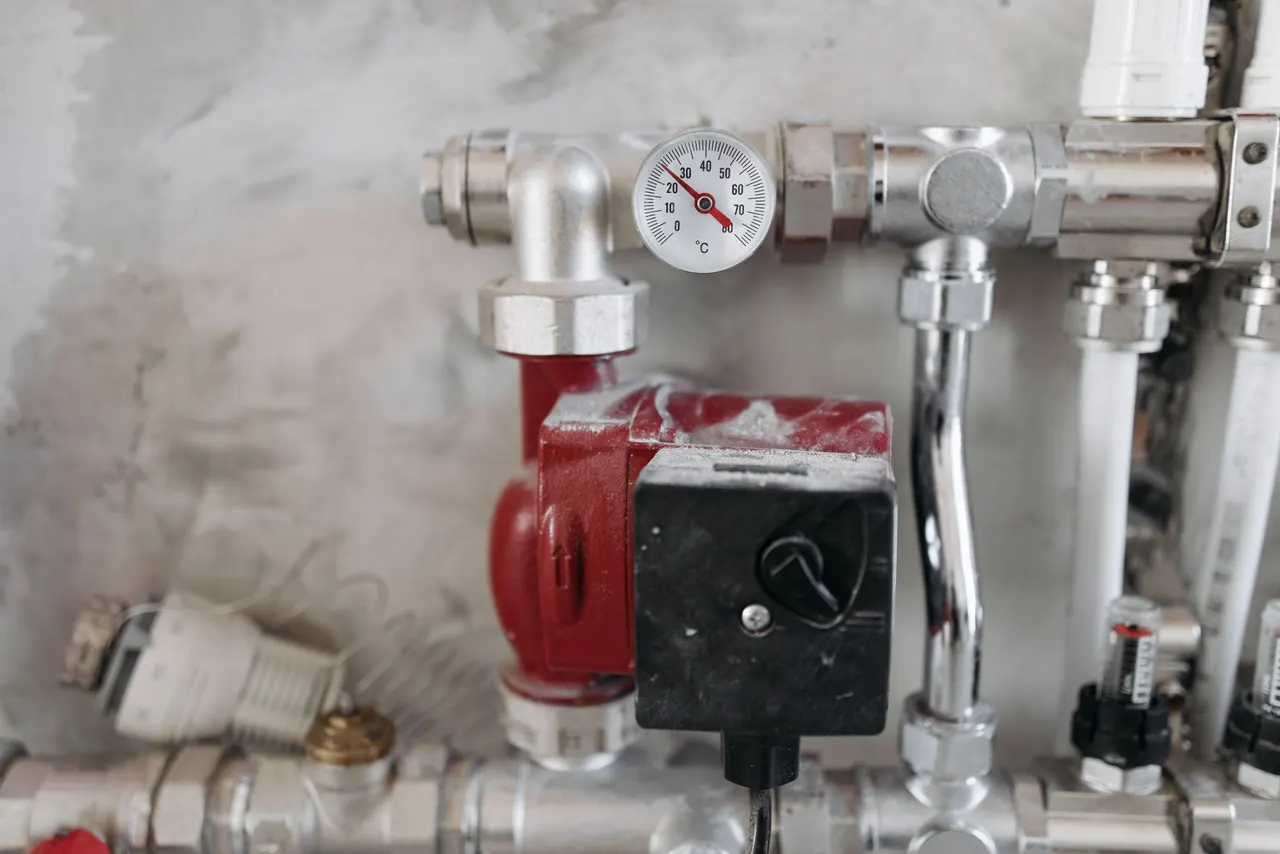
Our sensor sits above the float switch travel, so it trips the moment water climbs past the point where the pump should have started. We also check the float switch during the same visit and replace it if the travel is stiff. The pump never starts, and the pit fills silently. A failed float switch is the single most common reason we get called to a flooded Naples garage.
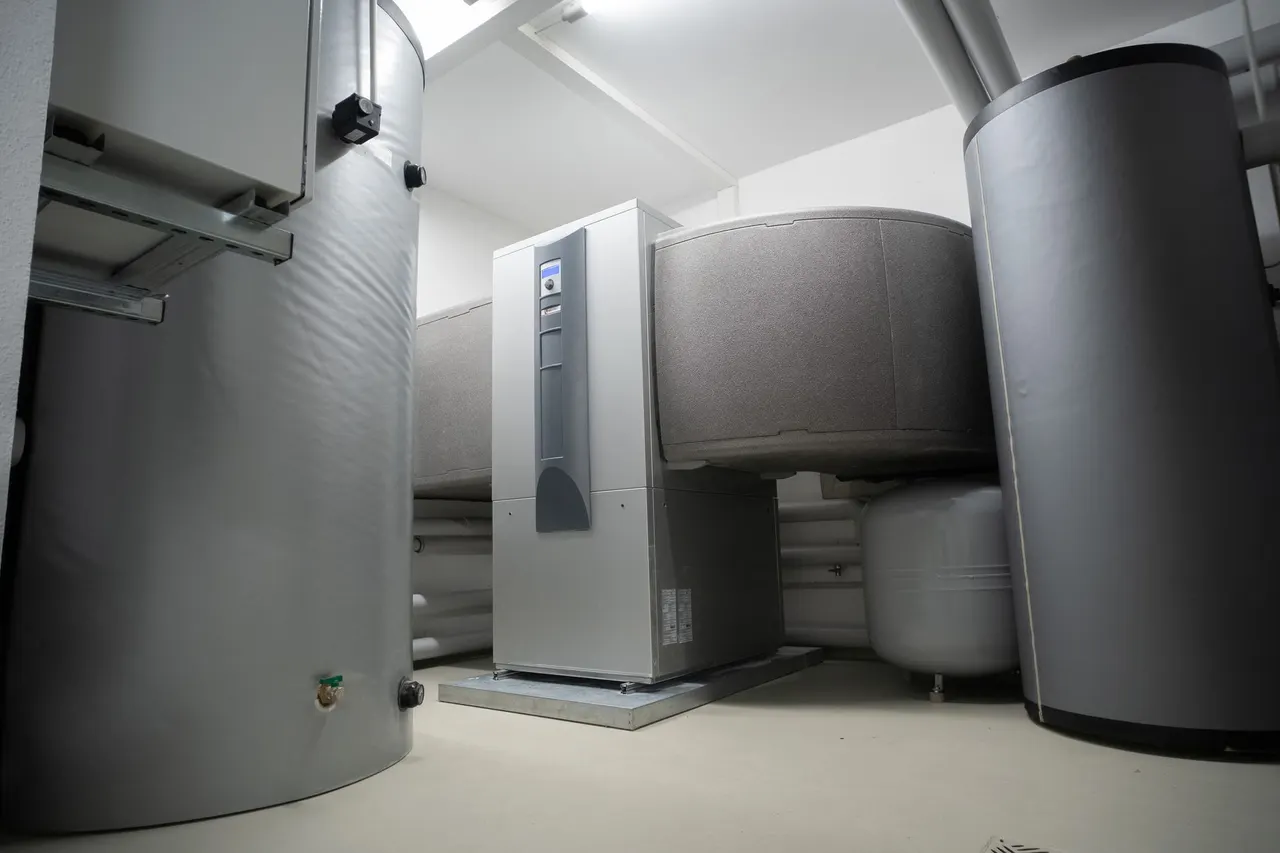
The alarm catches the rising level even while the pump is running. We also inspect the discharge line during install and clear any blockage before we leave. The pump runs but cannot move water, so it short-cycles and the basin level creeps up. You hear the pump and assume everything is fine.
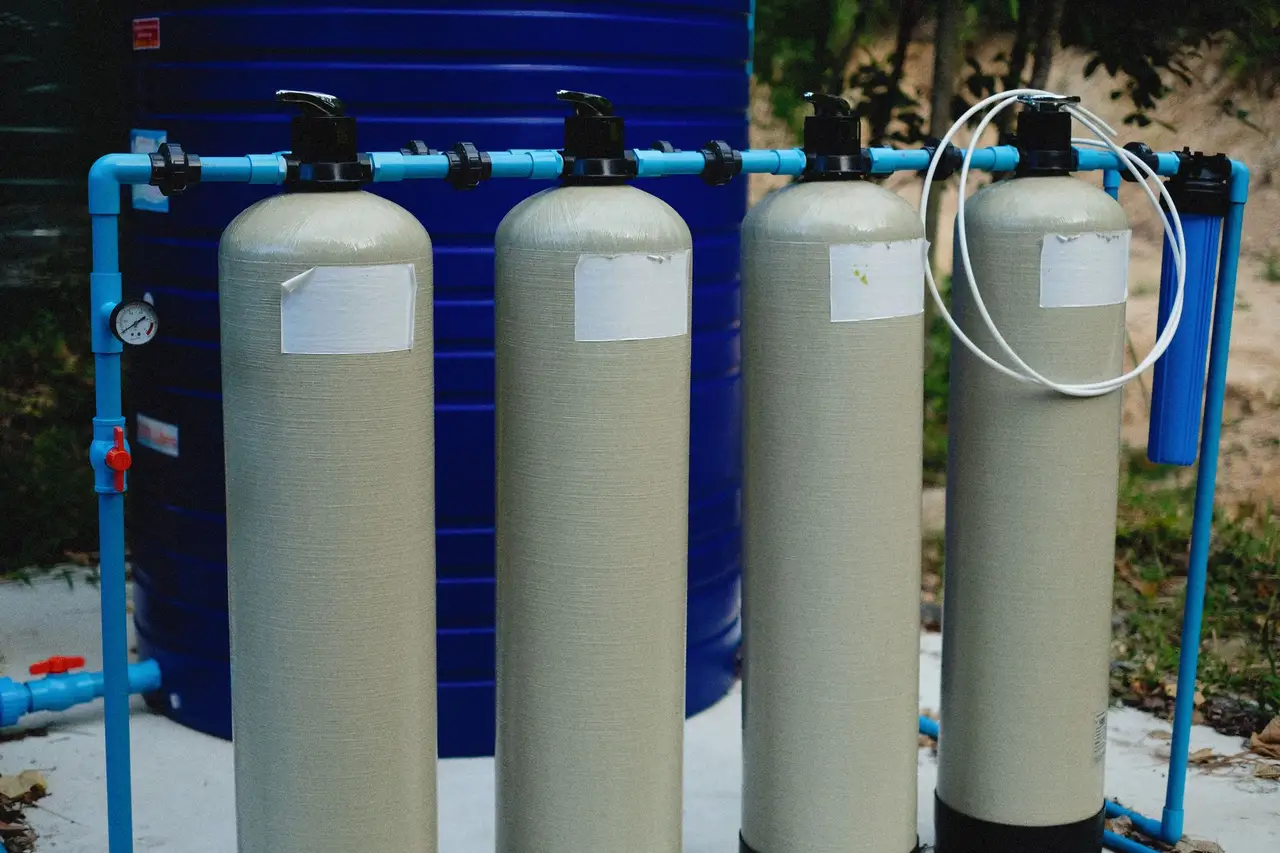
We add a cellular or Wi-Fi dialer that calls or texts you when the alarm trips. You can send a neighbor or a property manager the same day instead of discovering it next season. A slow leak or a dead pump goes unnoticed until the next visit, when the damage is already done and the repair bill is in the thousands.
The alarm trips when basin water hits a set level, usually 1 to 2 inches above the pump's normal start point. That gives you 10 to 30 minutes to check the pump, kill the power if needed, and move anything off the floor. Without it, you find out when the water is already under your drywall.
When the grid drops, your primary pump stops and a battery backup system takes over. If that backup pump fails or its battery is dead, the alarm is the only thing still working. We wire the sensor so it stays live on battery power and keeps sounding until you silence it.
A sump pump alert system for vacation homes Naples Florida is the difference between a small repair and a full floor replacement. If you are 1,200 miles away when the alarm texts or calls, you can send someone over the same day instead of discovering the mess next season.
The cost to install sump pump alarm in Naples FL runs a fraction of what a single water-damage claim costs in deductible and lost contents. We mount the unit, test it three times, and show you exactly how to silence and reset it. Most installs are done in under two hours.
Typical 2026 pricing for a standard audible alarm install in Naples runs $180 to $450. The low end covers a basic float sensor, a 95-decibel horn, and a short wire run on an accessible basin. The high end includes a cellular dialer, a longer wire run, a new basin lid, or a battery backup circuit. We quote the range on the phone and confirm the final price on site before we start. No surprise line items.
What your estimate is based on
$180 - $450 depending on scope One water-damage claim in Naples can run into the thousands in deductible, contents, and restoration. An alarm install costs a fraction of that and works every storm season. We test it three times in front of you before we leave.
Clear records you can keep and share.
Set 1 to 2 inches above pump start
You watch every trip and reset
Silence and test it yourself
An alarm does not pump water. It tells you the pump is not keeping up, so you can act before the floor gets wet.
Set too low, the alarm trips on normal pump cycling. Set too high, it warns you after water is already at the rim. We match it to your pump.
Most pumps stop when the power drops. An alarm on a battery circuit keeps sounding through the outage, which is when you need it most.
An audible horn only helps if someone is home. A cellular or Wi-Fi dialer reaches you when the property is empty.
Outside these areas? Call and ask, we may still cover you. +12395220157
Most installs run $180 to $450 in 2026, depending on wiring distance, lid condition, and whether you want a phone-alert module. A basic audible alarm with a float sensor is at the low end. Adding a battery backup circuit or a wireless dialer pushes it higher. We give you the range on the phone and confirm it on site before we start.
Yes, if your pump runs at all during storm season. Naples sits on a high water table, and a failed float switch or clogged discharge line can flood a floor in under an hour. An alarm costs a fraction of one water-damage claim and works even when the power is out and the pump is dead.
For most homes, a float-based alarm with a 9-volt or battery backup and a 95-decibel horn is the right call. Zoeller and Basement Watchdog both make reliable units we install often. If you want remote notification, we add a Wi-Fi or cellular module. The best alarm is the one that trips at the right height and that you can hear from your bedroom.
In almost every case, yes. We fit alarms to submersible and pedestal pumps, and to concrete, polyethylene, and fiberglass basins. If your lid is cracked or your basin is too shallow for a proper sensor, we tell you on site and quote a lid or basin replacement. We stock gaskets and sealant so the job usually finishes the same visit.
One visit, three live tests, and a walkthrough you will actually remember. We carry Zoeller, Wayne, and Basement Watchdog alarms on the truck. Call now and we can usually be at your basin the same day.
Call us at +1 239-522-0157 or email [email protected]. We answer the phone during business hours and dispatch emergency calls after hours. Same-day estimates are available for most of Naples and Collier County. If you are not sure whether you need a repair or a full install, describe what you are seeing and we will tell you straight.