Written scope
Basin size, pump plan, and price range
Sump Pump Basin Replacement Naples FL swaps out a cracked, shifting, or undersized pit for a solid liner that actually holds the pump. If your basin is crumbling, the float keeps hanging up, or the pit refills the moment it rains, we pull the old one, set the new one, and test the discharge before we leave. We work across Collier County, from Old Naples to Vanderbilt Beach, and we handle the pump, check valve, and discharge line in the same visit.
A basin replacement covers the pit itself and the parts that touch it. Here is what is in the standard scope and what we handle as an add-on when we find it.
We replace failed sump basins in Naples homes, from single-family houses to condos. If your pit leaks, flexes, or will not hold water, we set a new liner and test it.
We replace sump basins in Naples commercial and multi-unit properties. Property managers get photos of the old liner and a tested system before we leave.
Sump Pump Basin Replacement Naples FL is a drainage repair that removes a failed sump basin or pit liner and sets a new, sealed basin sized for your pump, inflow rate, and water table. We cut out the old liner, clear the gravel and silt, check the perforated drain pipe feeding the pit, then set the new basin on a compacted bed. The pump, float switch, check valve, and discharge line get reconnected and tested. Most homes are done in one day.
Naples sits on a high water table, and that is hard on pits. Thin plastic liners crack, concrete pits spall, and sandy soil shifts under the floor. Once the basin leaks, the pump runs constantly and never catches up. If you have been searching sump pump basin replacement near me Naples, the fix is usually the basin itself, not another pump. We see this most in homes built before 2005 and in low-lying parts of East Naples and Golden Gate.
A basin that holds water is what makes the pump last.
Five steps, one visit for most homes. Here is exactly what happens from the first call to the final test.
You call, we ask three questions: how often the pump runs, whether the pit holds water after the pump shuts off, and how old the basin is. That tells us whether you need a full replacement or just a new float switch. We schedule a same-day estimate across Naples and Collier County.
We kill power at the breaker, pull the pump and discharge line, and pump the pit down. Then we cut the old liner free and lift it out. Expect 45 to 90 minutes for this step on a standard 18-inch basin. We lay drop cloths and bag the debris as we go.

We dig out silt and roots, check the perforated drain pipe for crush damage, and re-level the base with compacted gravel. If the surrounding soil is washing in, we add filter fabric. This is the step most quick replacements skip, and it is why their basins crack again within two years.

We set the new liner, plumb it level, and seal the inlet and discharge penetrations with gasket and sealant. Then we reinstall the pump, a new check valve, and the PVC discharge pipe. A Wayne or Little Giant submersible drops straight in on most jobs.
We fill the pit with a hose, watch the float switch trip, and confirm the discharge line carries water clear of the foundation. Then we show you the test and hand over the paperwork. Total job time runs three to five hours for a single basin.
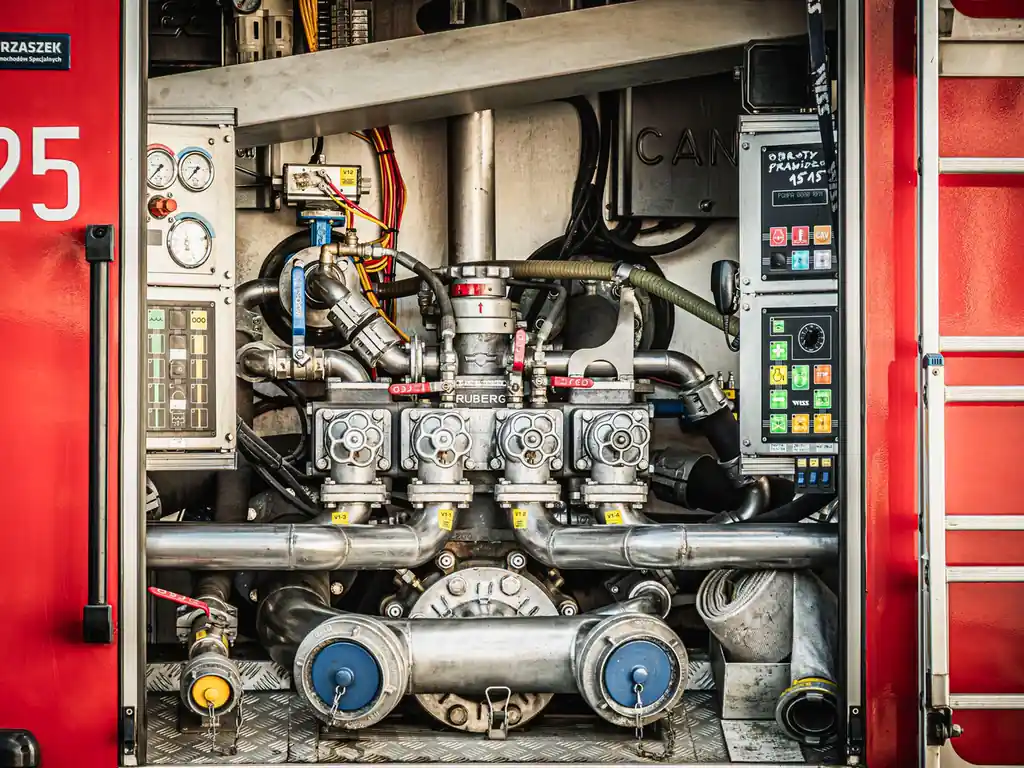
We use it to drain the old pit down before we cut the liner out. It handles the silt-heavy water that a standard shop vac cannot.
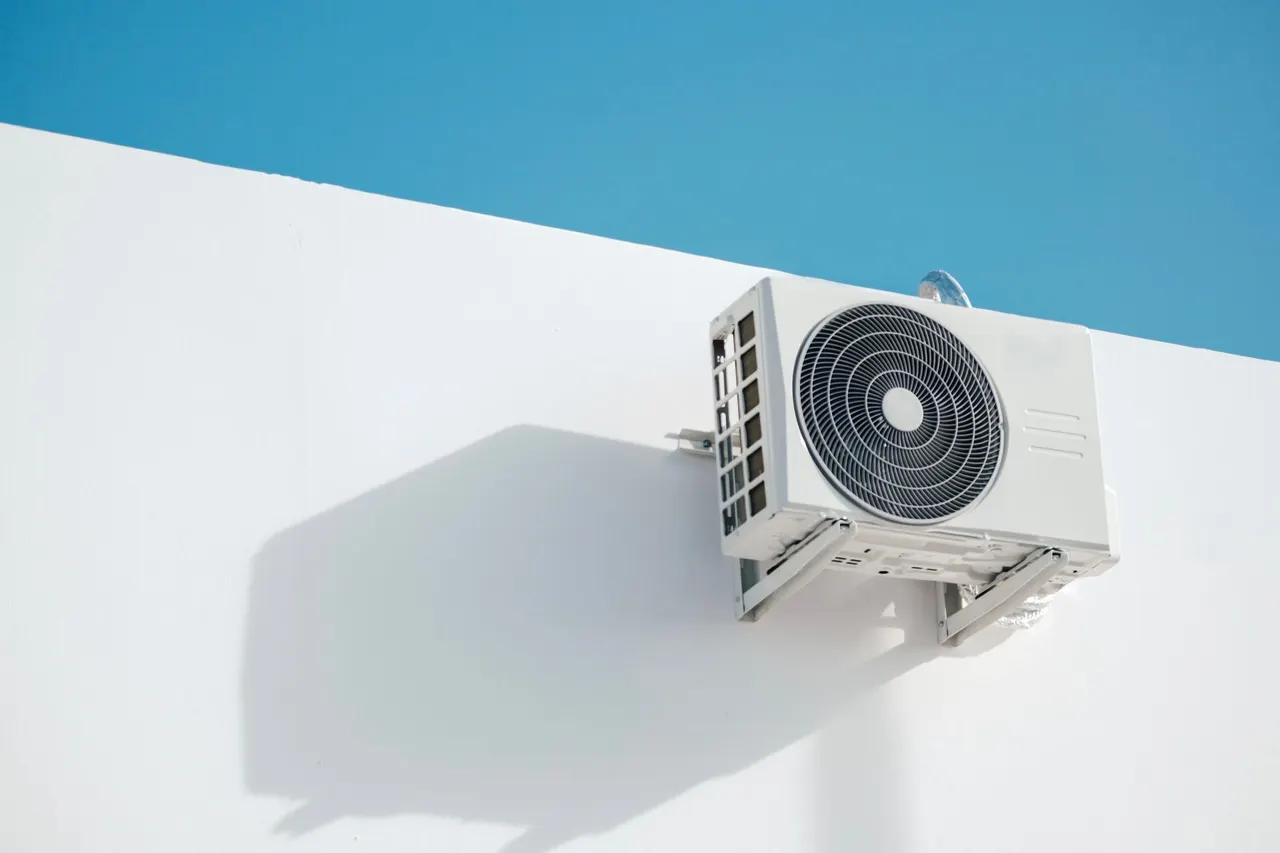
We stock both sizes on the truck. The right one depends on your pump body, switch range, and whether you plan to add a backup.
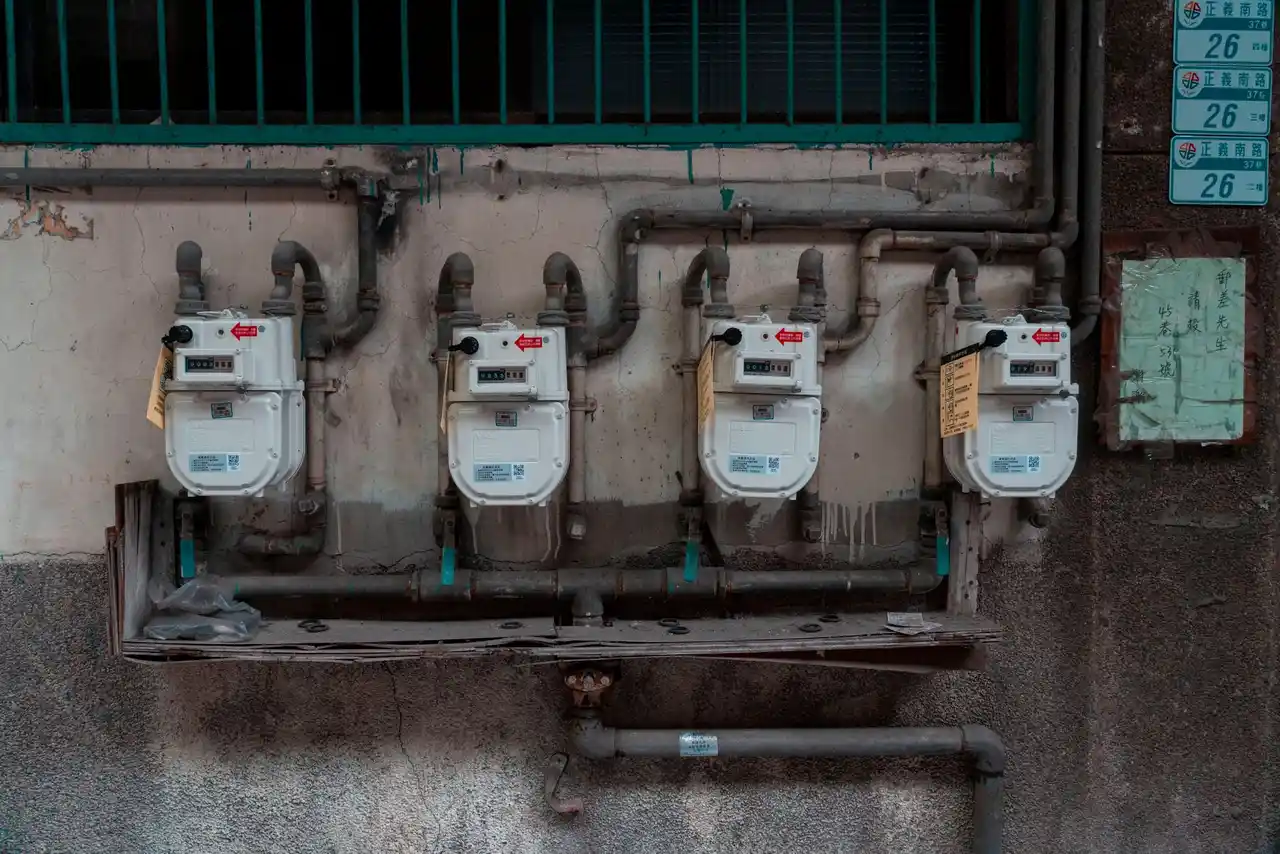
These are the submersible pumps we install most. We match the basin depth to the pump's float swing so the switch trips at the right level.
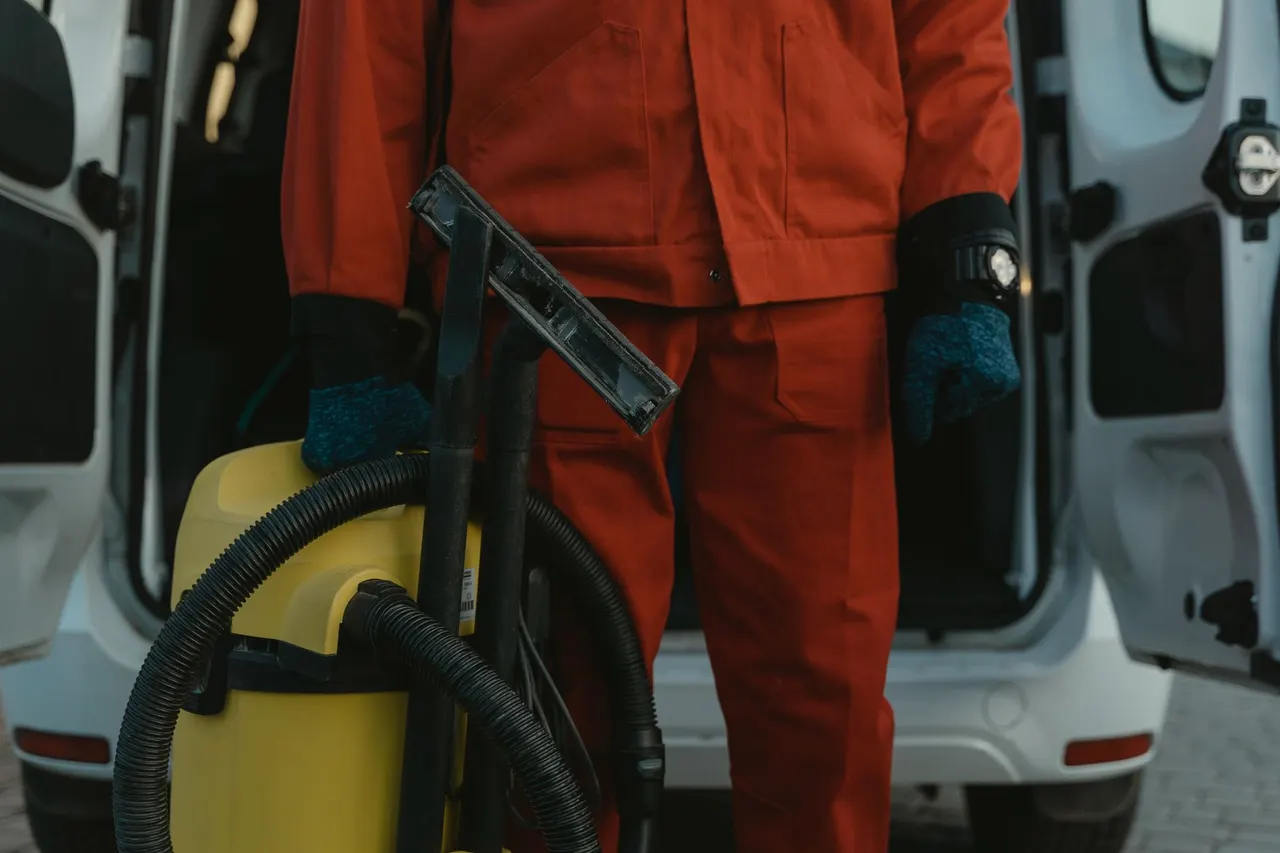
We plumb the discharge in PVC with a new check valve. The valve stops backflow and the pipe carries water clear of the foundation.
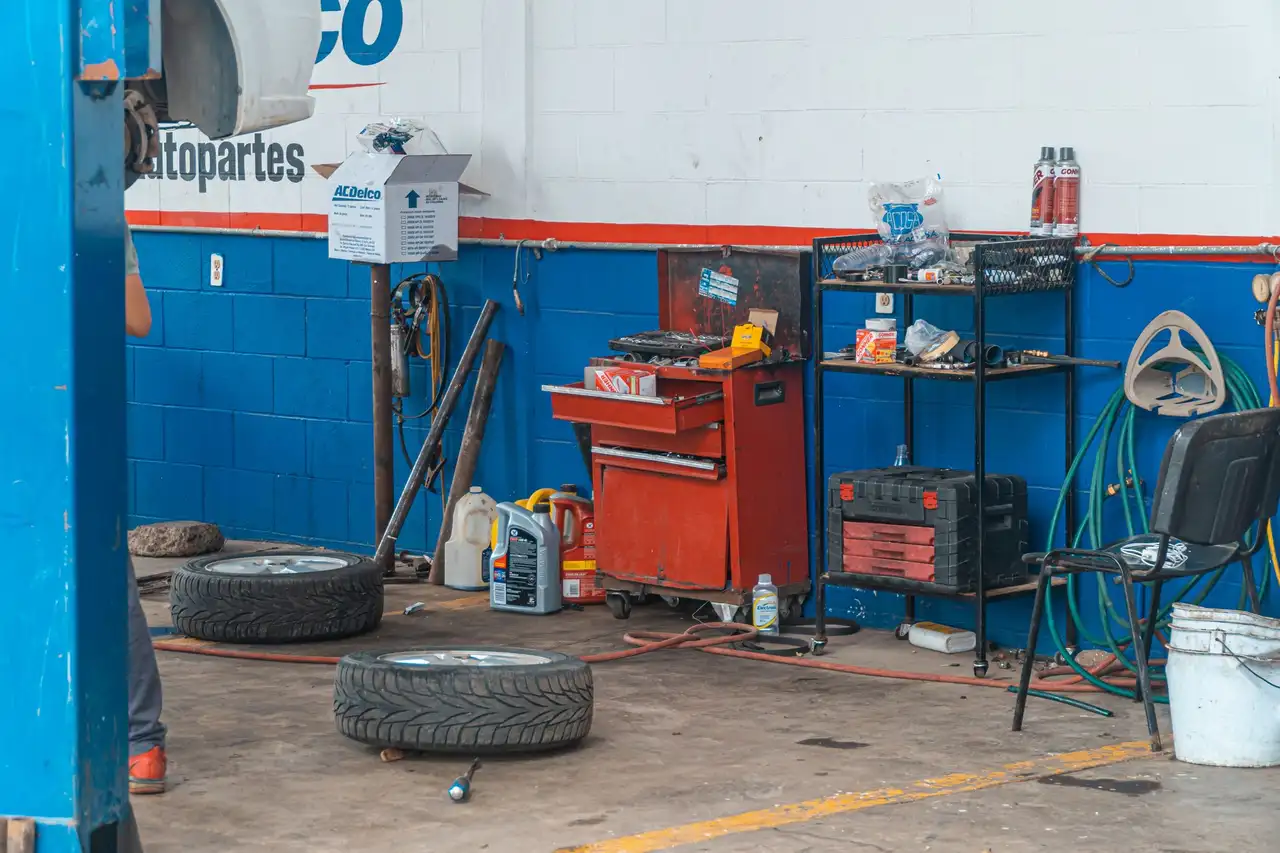
We use it to confirm the switch trips and resets at the correct water levels in the new basin. A switch that hangs up is the number one cause of a dry pit flood.
We line the pit base with fabric and compact gravel under the new basin. That stops sandy Naples soil from washing in and shifting the liner.
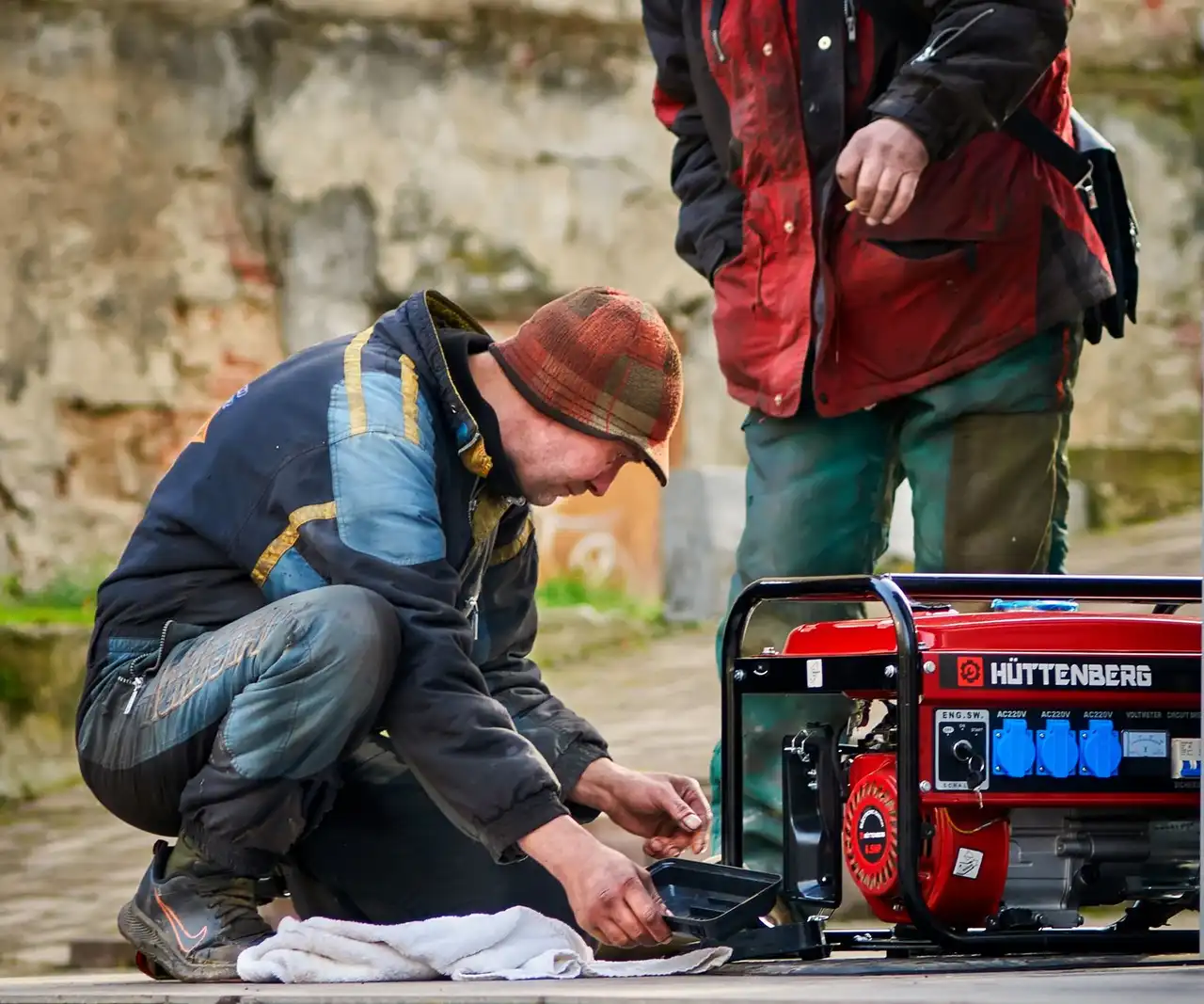
We set the basin, lid, and pipe penetrations to meet Florida Building Code for sump pits. That includes a sealed lid and proper venting where the code calls for it. It keeps the inspection clean and the pit closed.

We kill power at the breaker and keep the cord connection above the flood line per NEC electrical code. The pump gets a proper disconnect and a sealed cord entry. No exposed splices sitting in water.
We cut out the old liner, check the drain pipe, and set a new 18-inch basin on compacted gravel. We reuse the pump if it tests well and install a new check valve. The pit holds water between cycles and the pump stops short-cycling. Most homeowners get another decade out of the new basin.
We pump the pit down, test the float switch, and find the basin cracked from the load. We replace the basin and the failed float switch, then run a live fill test. The system cycles normally again. We also check the discharge line to make sure the next storm does not repeat the problem.
We replace the basin with a 24-inch liner, set the primary float higher and the backup float lower, and mount the battery box on a dry, sealed lid. The backup only runs when the primary fails or the power drops. Both pumps fit without the floats tangling.
We document the old liner with photos, replace the basin, clear the perforated drain pipe, and re-test the full cycle. We provide the report the buyer needs. The inspection item clears and the closing stays on schedule. The new owner starts with a sound pit and a tested pump.
Naples sits on a high water table, and that shapes every basin job we do. In low-lying areas near the water, like Royal Harbor and Aqualane Shores, the pit can fill faster than a standard pump can clear it. We size the basin and the pump to the inflow, not to a generic spec sheet. Inland in Golden Gate and Pine Ridge, the issue is more often sandy soil shifting under the slab, which cracks liners at the inlet. We dig out the loose material and set the new basin on compacted gravel with filter fabric. Summer is our busy season. Afternoon storms dump two inches in an hour, and that is when failing pits show themselves. If you have been looking for sump pump basin replacement for older pits Naples Florida, we handle the full job: cut out the old liner, check the perforated drain pipe, set the new basin, and test it. We work to Florida Building Code and NEC electrical code, and we pull permits when the scope calls for it. Most homes are done in a single visit.
An original plastic liner was cracked down one side and flexed under hand pressure. The pump ran every ten minutes even in dry weather because water drained back around the liner. Silt had built up six inches deep in the pit.
We cut out the old liner, removed the silt, and set a new 18-inch basin on compacted gravel with a new check valve. Run time dropped from constant to about four cycles per storm. The pit now holds water between cycles.
Flush the pit and test the float switch once a year, ideally before hurricane season. Keep debris out of the pit and check the discharge outlet after heavy storms.
A summer storm dumped two inches in an hour. The pump ran for two days straight and then stopped. The basin had cracked at the inlet from soil shifting under the slab, and the float switch had hung up on the discharge line.
We pumped the pit down, replaced the basin and the failed float switch, and re-routed the discharge line clear of the float. The live fill test ran clean. The system has cycled normally through two storms since.
Check the discharge line for clogs each spring and make sure the float swings free. A stuck float is the most common cause of a dry pit flood.
A condo owner wanted a battery backup system, but the existing 14-inch pit was too crowded. The primary float caught on the discharge pipe, and there was no room for a second float. The basin was also showing hairline cracks.
We set a new 24-inch basin, set the primary float higher and the backup float lower, and mounted the battery box on a sealed lid. Both pumps now fit with clearance and the backup only runs when the primary fails.
Test the backup pump twice a year by lifting its float by hand. Replace the battery every three to five years and keep the lid sealed.
Most sump problems trace back to the pit, not the pump. These are the ones we see most in Naples and how a replacement fixes them.

We cut out the leaking liner, prep the base, and set a sealed basin with a new check valve. The pit holds water between cycles, so the pump rests. Most homeowners see run time drop from constant to a few cycles per storm. Water drains back around the liner, so the pump short-cycles all night. That burns out the motor years early and drives up your power bill.

This is the classic sump pump liner replacement for cracked basin Naples FL job. We remove the failed liner, clean out the silt, and set a new one on compacted gravel. We also check the perforated drain pipe while the pit is open. A cracked liner lets groundwater and soil into the pit. Silt builds up, the float switch hangs up, and the pump eventually fails during a storm.
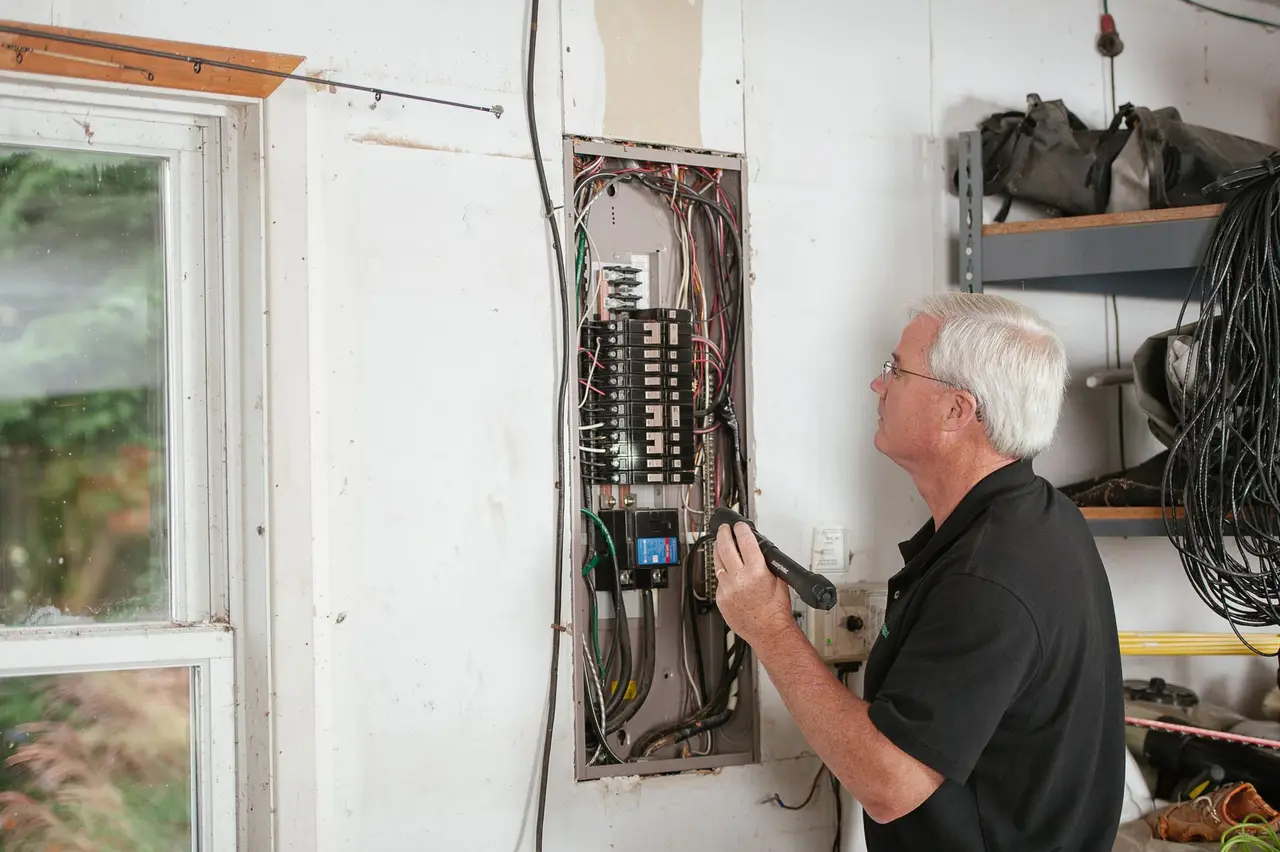
We size the new basin to the pump's switch range and leave room for a second float. A 24-inch basin fits a submersible pump, a check valve, and a battery backup system with clearance. We set the primary float higher and the backup lower. A crowded pit means the float switch catches on the discharge line or the pump body. The pump either runs dry or never turns on. Adding a backup is impossible.
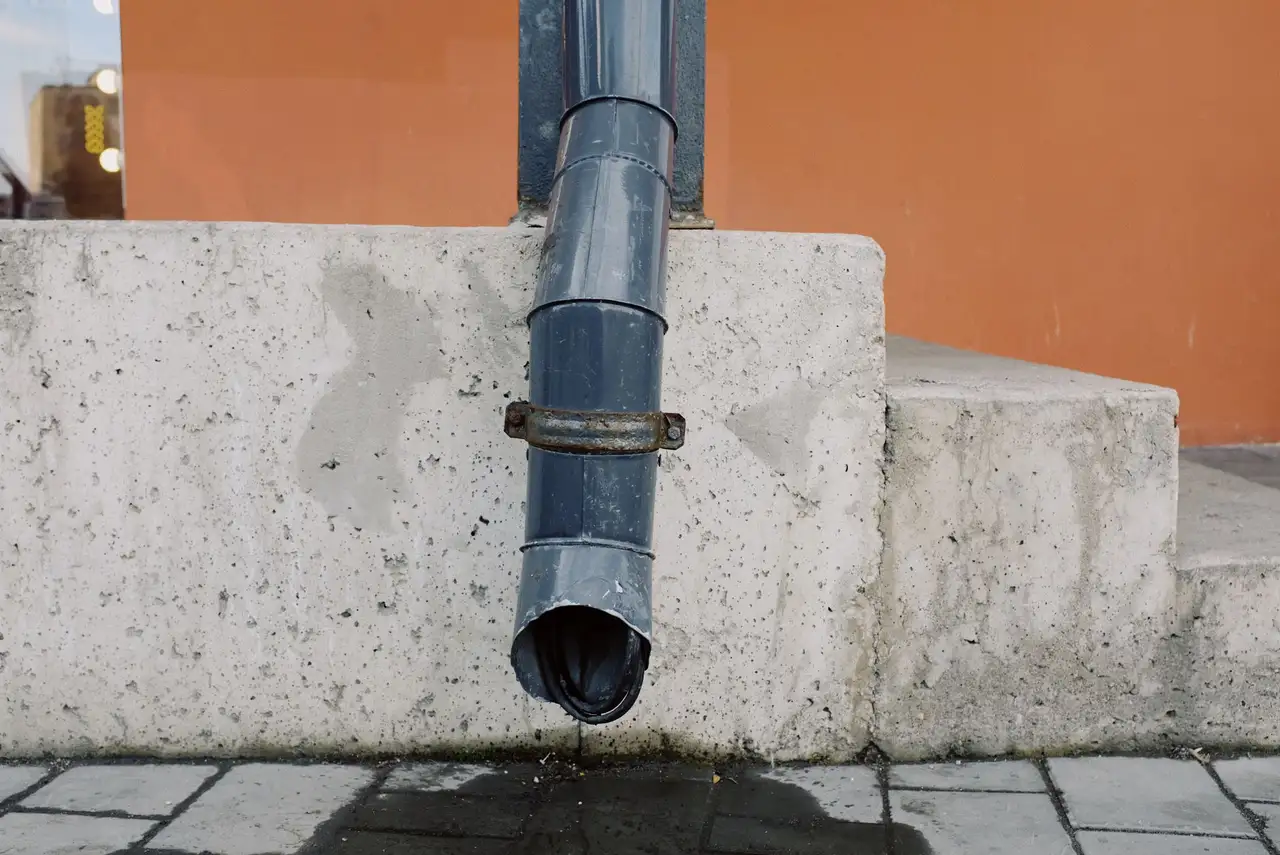
We dig out the loose material, compact a gravel bed, and set the basin level. If the surrounding soil is washing in, we wrap the pit with filter fabric. That stops the movement that cracks liners. Naples soil moves with the water table. A basin set on loose sand tilts, cracks at the inlet, and leaks. You get water at the pit edge after every heavy rain.
A leaking basin lets water drain back around the liner, so the pump kicks on every few minutes. Once the new basin is sealed and the check valve holds, that cycling stops. Homeowners in Park Shore and Coquina Sands often see run time drop from constant to a few cycles per storm.
We size the basin to the pump's switch range, usually 18 to 24 inches deep and 18 inches across for a submersible unit. Too shallow and the float switch trips early. Too narrow and a Zoeller or Liberty Pumps unit will not fit with the discharge line and cord clear of the float.
Florida Building Code and NEC electrical code both apply to a sump pit. We set a gasketed lid, seal the pipe penetrations, and keep the cord connection above the flood line. That keeps radon and moisture out of the living space and keeps the electrical inspection clean.
A new basin gives you space for a battery backup system or a water-powered backup pump. On a two-pump setup we set the primary float higher and the backup lower, so the backup only runs when the primary fails. That layout is hard to fit into an old, crowded pit.
Typical 2026 pricing for a basin replacement in Naples runs $650 to $1,800. The low end is a straight 18-inch liner swap with a new check valve and labor. The high end is a 24-inch basin with a new submersible pump, discharge line work, and a permit. Cracked concrete pits, crushed drain pipe, and tight crawl space access add labor. We give you a written range before we cut anything, and we tell you if a repair makes more sense than a replacement. If you have been quoted a sump pump basin replacement service Naples FL price that seems high, call us for a second number.
What your estimate is based on
$650 - $1,800 depending on basin size, pump condition, and discharge line work A new basin stops the short-cycling that burns out pumps and the leaks that flood floors. Most homeowners get a decade or more out of a properly set basin, which is far less than the cost of one flooded room.
Clear records you can keep and share.
Basin size, pump plan, and price range
Images of the old liner condition
Live fill and pump-down confirmed
A pump that runs constantly is usually a basin problem, not a pump problem. Here is how to tell the difference before you buy a new pump.
Fill the pit and watch. If the water drops after the pump shuts off, the basin or check valve is leaking. A sound pit holds its level.
Push on the basin wall. If it flexes or you feel cracks, the liner is done. A solid basin will not move under hand pressure.
Lift the float by hand and let it drop. If the pump does not start, the switch is bad. If it starts but the pit refills fast, the basin is the issue.
Outside these areas? Call and ask, we may still cover you. +12395220157
Most basin replacements in Naples run $650 to $1,800 in 2026, including the new liner, check valve, and labor. A simple 18-inch plastic liner swap sits at the low end. A 24-inch basin with a new submersible pump, discharge line work, and permit sits at the high end. Cracked concrete pits and pits with crushed drain pipe add labor. We give you a written range before we cut anything.
Replace it when the pit will not hold water after the pump shuts off, when you see cracks or spalling in the liner, or when the pump runs constantly during a normal rain. In Naples, thin plastic basins often fail in 10 to 15 years because of the high water table and sandy soil. If the basin flexes when you press it, it is done.
You can, but the part most homeowners miss is the base prep and the drain pipe check. Setting a new liner on loose sand without compacted gravel is why DIY basins crack again within a year or two. You also need to handle the electrical disconnect and the discharge plumbing correctly. If you are comfortable with that, a liner swap is a weekend job. If not, we do it in three to five hours.
A standard single-basin replacement takes three to five hours. That covers draining the pit, cutting out the old liner, prepping the base, setting the new basin, and reconnecting the pump, check valve, and discharge line. If we find a crushed perforated drain pipe or need to run a new discharge line, add two to three hours. We schedule most Naples jobs as a single visit.
Call and we will give you a same-day estimate, no charge, and tell you straight whether you need a full basin replacement or just a new float switch. We work across Collier County and we test every basin before we leave.
Call us at +1 239-522-0157 or email [email protected]. We answer the phone during business hours and dispatch emergency calls after hours. Same-day estimates are available for most of Naples and Collier County. If you are not sure whether you need a repair or a full install, describe what you are seeing and we will tell you straight.