Written price
Approved before any work starts
When your sump pump stops cycling, the float switch is usually the culprit. We handle sump pump float switch replacement Naples FL homeowners call about at 2 a.m. during a storm, swapping failed floats on Zoeller, Wayne and Liberty Pumps units so your basin empties again. Licensed plumbing contractor, code-correct work, and a written price before we start.
Every float switch replacement includes the diagnostic work, the new switch and a full cycle test. If we find a related failure during the job, we price it before we touch it and let you decide. No hidden add-ons after the fact.
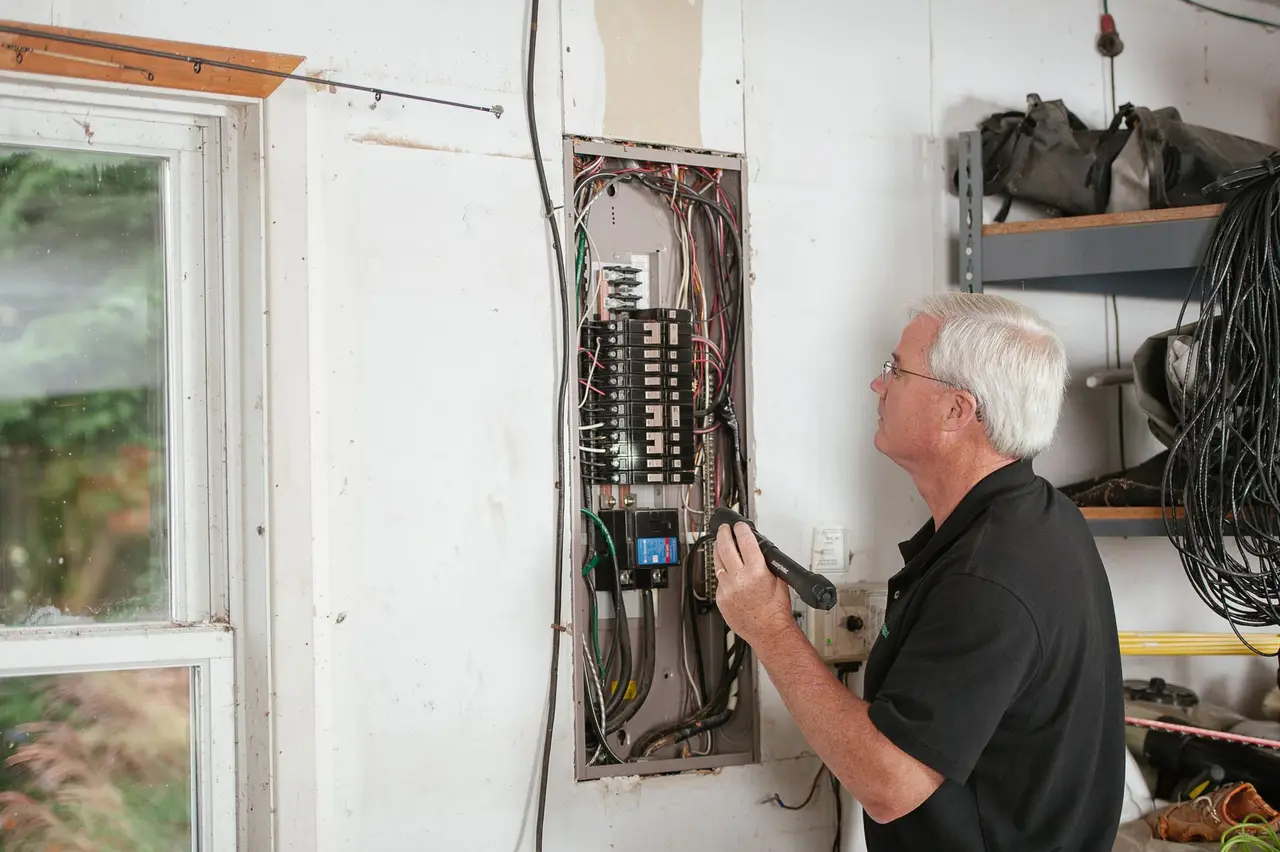

A failed float leaves your pit filling while the pump sits silent. We replace the switch, clean the pit and test the pump so your floor stays dry.
Small commercial pits and rental units need floats that cycle reliably. We replace switches on schedule and document each pump we touch.
Sump pump float switch replacement Naples FL is the trade of pulling a failed or stuck float, testing the pump's amp draw, and installing a new switch so the pump cycles on the water level you set. On a submersible sump pump the float rides a tether or a vertical rod inside the sump basin; on a pedestal sump pump it hangs on an arm above the pit. We cut power at the breaker, lift the pump, inspect the check valve and discharge line, then mount the replacement float and run a fill test.
Naples sits on a high water table, and from June through October afternoon storms push groundwater into sump pits across Collier County. A float that fails in July means a flooded garage by August. We see it constantly in Old Naples and Coquina Sands, where older homes still run 1/3 HP pumps on 1.5-inch PVC discharge pipe. If your pump hums but will not kick on, call for float switch repair in Naples before the next system rolls through.
We test the float, match the tether to your basin, and prove the pump cycles before we leave.
Five steps, start to finish. You get a call before we arrive, a written price before we touch anything, and a tested pump before we leave.
Tell us what the pump is doing: humming, silent, running nonstop, or tripping the breaker. We ask the pump brand and basin size, then quote a range on the spot. Same-day float switch replacement Naples FL slots are usually open before noon.
We kill power at the breaker, lift the pump and check the float, check valve and discharge line. A multimeter and amp clamp tell us whether the switch is dead or the motor is failing. This takes about 15 minutes and decides the whole job.
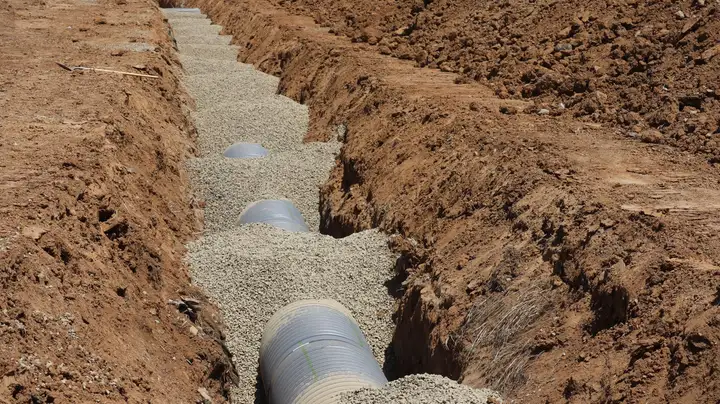
We unclip the old float from its tether or rod, inspect the sump basin liner for cracks, and clear gravel and grit from the pit. If the float piggyback plug is corroded, we replace the cord end too. Ten to twenty minutes, depending on access.
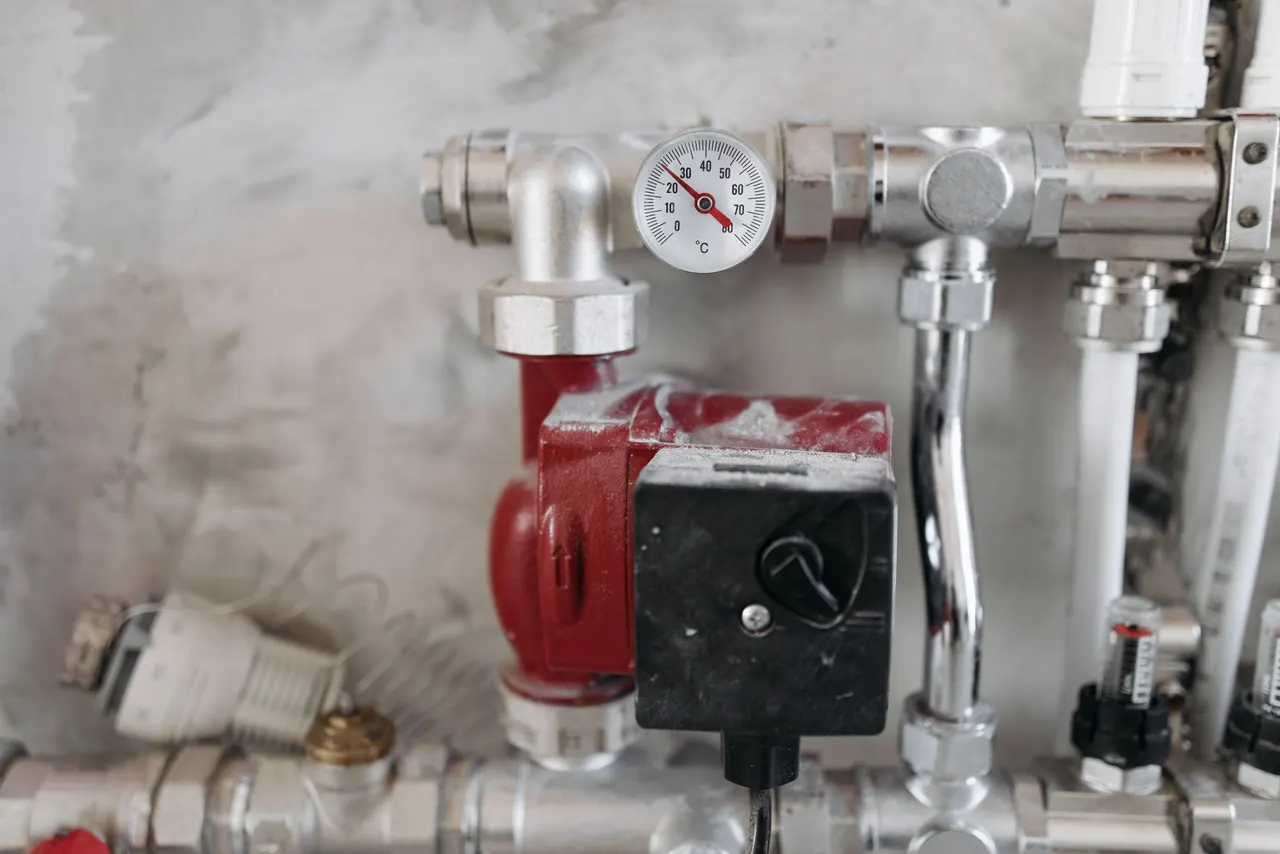
We mount the replacement float, set the tether length to your basin depth, and seal the cord pass-through. On a Wayne or Little Giant unit this is a direct-fit swap. We torque the check valve, verify the discharge line pitch, and confirm the float clears the basin wall.
We pour water into the sump pit and watch the pump kick on, drain the basin, and shut off. Three full cycles, no shortcuts. Then we show you the new float, explain what killed the old one, and hand over the warranty paperwork.
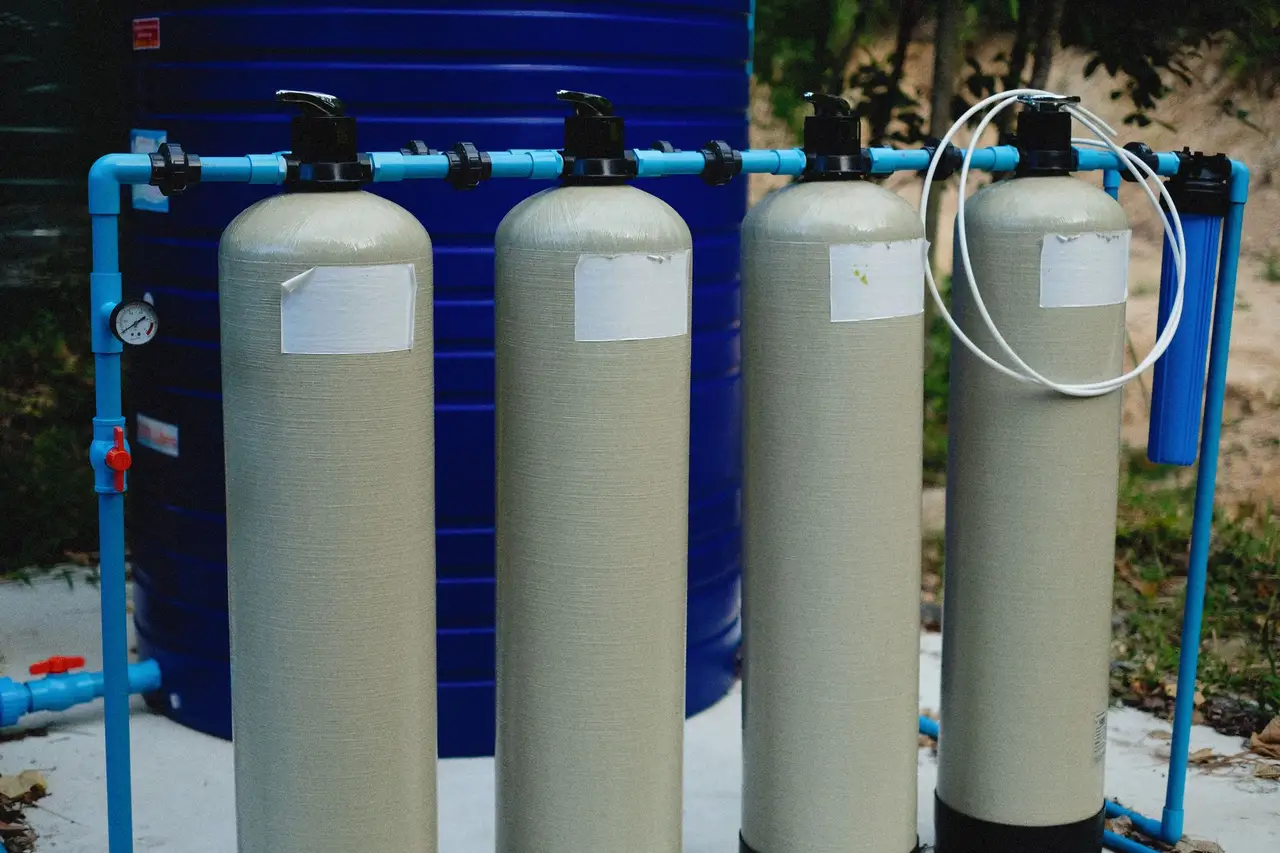
Reads the pump motor's current draw to confirm the motor is healthy before we recommend a float swap instead of a full replacement.
Tests continuity through the float switch and piggyback plug to pinpoint whether the switch or the wiring has failed.

Stocked for Zoeller, Wayne, Little Giant, Liberty Pumps, Flotec, Basement Watchdog, Superior Pump and Everbilt so most jobs finish in one visit.
Lets us replace a leaking check valve or repair the discharge line during the same appointment as the float swap.
Lights the pit so we can check the basin liner for cracks and clear gravel that jams float travel.

Removes standing water and sludge from the pit so the new float mounts on a clean surface.

We fill the sump pit and watch the pump start, drain and shut off three separate times. Any hesitation in the float shows up by the second cycle. We record amp draw on the final run so you have a baseline for the motor.
Float tether length controls when the pump starts and stops. Too short causes short cycling and burned contacts; too long lets the basin overfill. We measure your basin depth and set the tether to match, then confirm with the fill test.
We prioritize failed floats when rain is coming. A tech arrives, tests the switch, and installs a replacement float the same day. We also check the check valve and discharge line so the pump is ready for the inflow. The pump cycles normally before the storm hits, and your pit stays dry through the heaviest rain.
We replace the float, test the pump and provide a written summary of the work. If the inspection also noted a cracked basin or a leaking check valve, we quote that separately so the deal can move. The inspection item clears, and the buyer gets a pump that cycles on demand.
We check the float first, then the discharge line. If the float is fine but the line is clogged, we clear or replace the failed section and re-pitch the pipe. Often the float is also worn and gets replaced in the same visit. The pit drains fully, the crawl space dries out, and the pump stops running nonstop.
Pedestal floats are easy to service once the motor is above the water line. We replace the switch, set the arm travel, and test the cycle. We leave a note for the tenant on what to watch for. The tenant gets a working pump, and you avoid an after-hours flood call.
Naples sits on a high water table, and from June through October the afternoon storms push groundwater into sump pits across Collier County. That is why float failures here tend to show up in clusters, and why we keep replacement floats for Zoeller, Wayne and Liberty Pumps on every truck. Building stock matters too. Older homes in Old Naples and Coquina Sands often run 1/3 HP submersible pumps on 1.5-inch PVC discharge pipe, while newer builds in Lely Resort and North Naples use sealed basins with vertical floats. Florida Building Code and NEC electrical code both apply to the sump circuit, so we verify GFCI protection and cord routing on every call. If you need sump pump float switch replacement in Naples, Florida during storm season, call early in the day. We also handle float switch repair for stuck pump in Naples Florida situations where the float is jammed against the basin wall. Winter is our slow season, which makes it the right time for a tune-up before the rain returns.
A homeowner in Pelican Bay heard the pump humming but the pit kept rising. The float was jammed against the basin wall and the pump had been short cycling for two days. Water was within an inch of the rim when we arrived.
We replaced the float, set the tether to clear the wall, and cleaned grit from the pit. The pump now cycles at the correct level and shuts off cleanly. Amp draw came in within spec, so the motor stayed.
Test the float monthly by pouring a bucket of water into the pit. Clean the pit once a year and keep the basin lid sealed to stop debris from reaching the switch.
An Old Naples homeowner called the morning a storm system was forecast. The pump would not turn on at all. The float switch had failed open, and the pit was already half full from overnight rain.
We installed a direct-fit replacement float, verified the check valve, and ran three fill cycles. The pump drained the pit in under 90 seconds each time. The system was ready before the first band of rain arrived.
Check the float after every major storm. If the pump hesitates at all, call before the next system rather than waiting for a flood.
A crawl space pump in Golden Gate was restarting every few minutes. The float was set too low and the check valve was leaking water back into the pit. The motor was running hot and the homeowner worried it would fail.
We replaced the float, set the tether to the correct basin depth, and swapped the leaking check valve. Run time dropped to two cycles per hour instead of twenty. The motor cooled down and the crawl space stayed dry.
Have the float and check valve checked once a year. Short cycling is the first sign of a problem, and it is cheap to fix early.
Most sump pump failures trace back to the float. These are the calls we get most, and how we solve them.
We test the float circuit first. Nine times out of ten the switch contacts are dead or the tether is jammed. We install a new float, verify the motor amps are in spec, and run the fill test to confirm the pump cycles on its own. The basin fills past the rim and water hits the floor. In a finished basement or garage, that means soaked drywall and ruined storage within an hour of steady inflow.
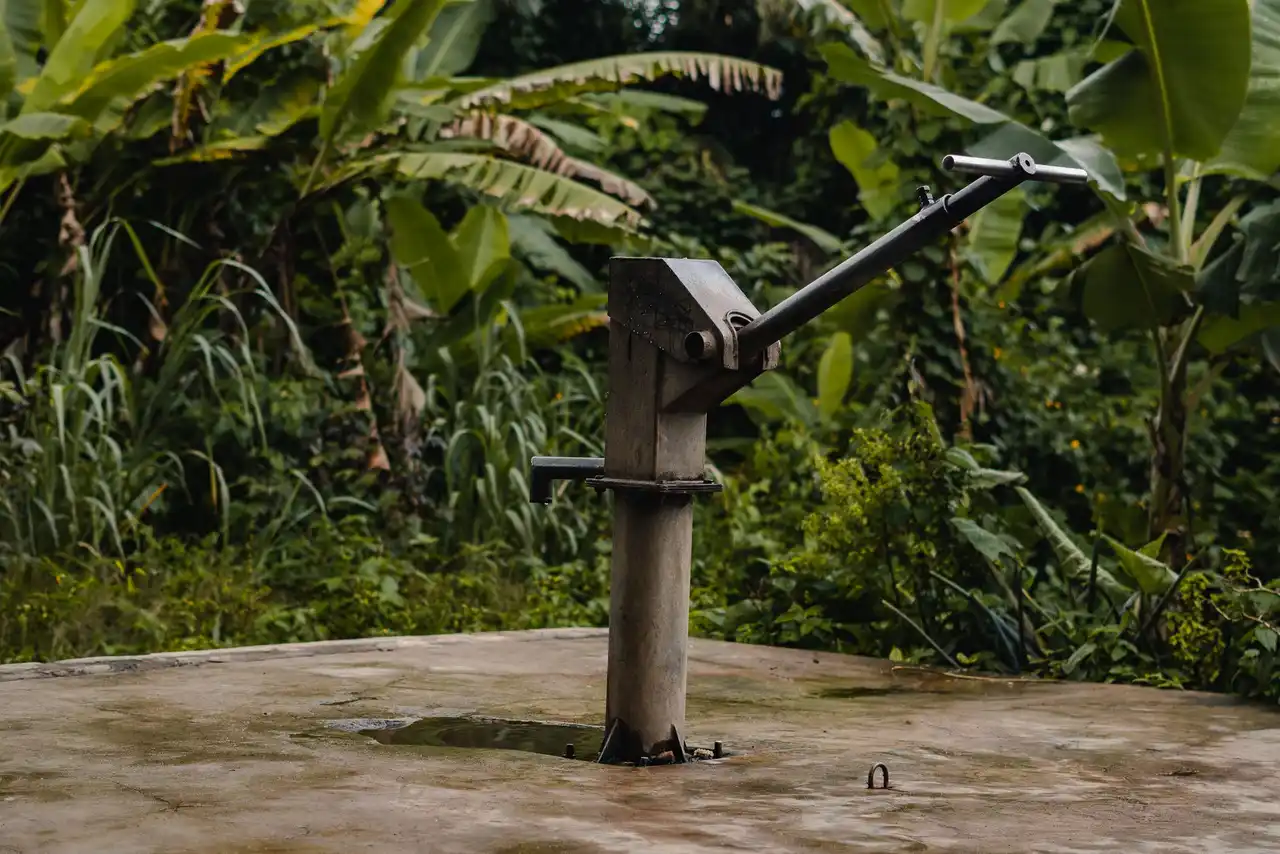
We check the float position, the check valve and the discharge line together. If the float is stuck up, we replace it and set the new one to drop cleanly. If the check valve is leaking back, we swap it in the same visit. The motor overheats, the electric bill climbs, and the pump burns out months early. Constant running also masks a failed check valve or a float stuck in the up position.
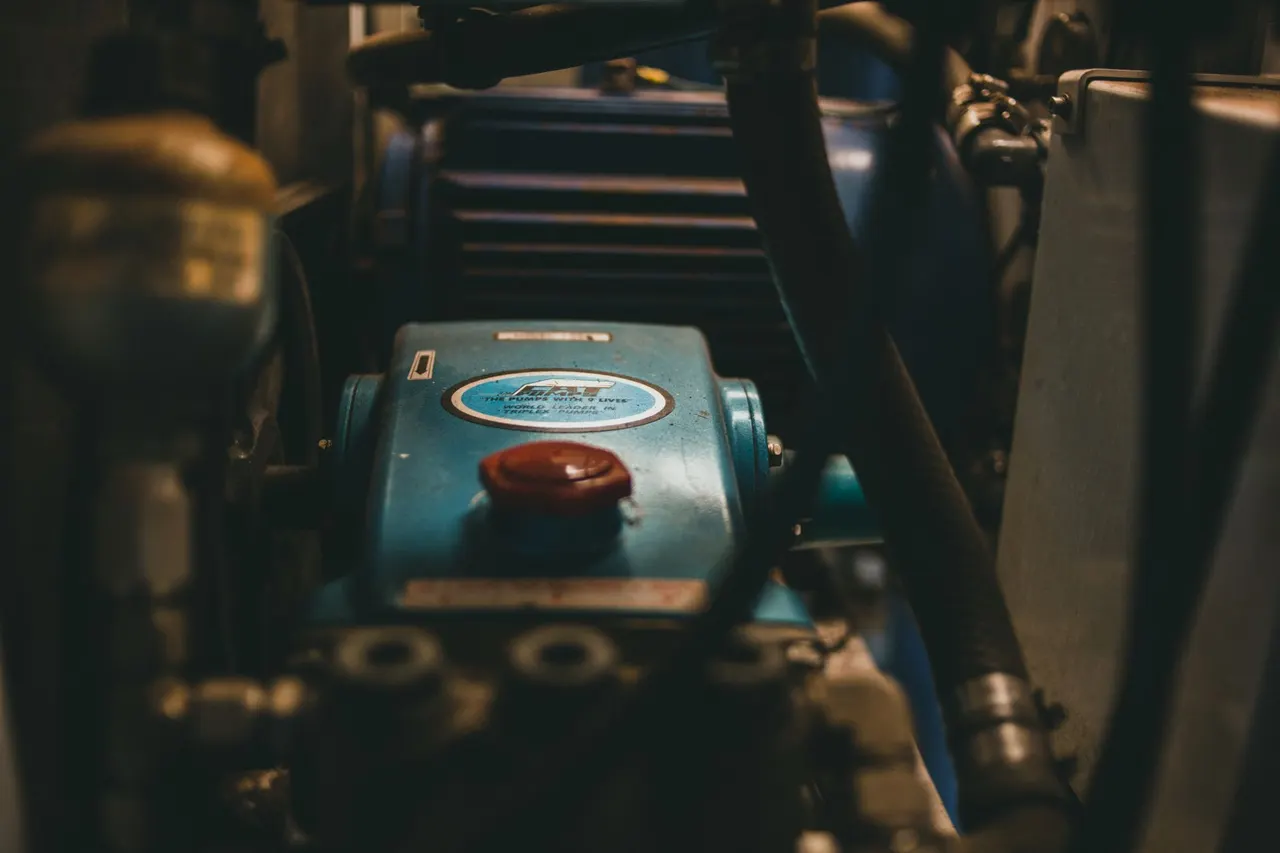
We clean the pit, inspect the basin liner and mount the new float clear of the wall. Matching the tether length to basin depth stops the short cycling that burns contacts. We also check the discharge line for clogs that keep water in the pit. Repeat failures point to grit, iron bacteria or a float rubbing the basin wall. Each failure risks a flood, and the pattern will not stop on its own.

We test the backup float and the battery under load, replace the failed switch and confirm the backup kicks in when the primary is unplugged. If the battery is past its service life, we tell you the replacement cost up front. A dead backup float turns a short power outage into a flooded floor. Battery backup systems sit idle for months, so the float and battery both need testing.
A new float brings back hands-off operation, so the pump turns on at your set water level and shuts off when the basin drops. Most replacements take 60 to 90 minutes on a standard submersible unit, and we test the full cycle three times before we pack up.
A failed float switch is the number one cause of sump pit overflow we see in Naples. Water rises past the rim, soaks drywall and ruins stored items. Catching it early with a sump pump alarm or a quick float test keeps a $300 repair from turning into a $6,000 cleanup.
Replacing the float runs a fraction of the cost of a full pump swap. If your motor still pulls correct amps and the impeller is clean, a new float switch is the smart money. We test amp draw and run time first, then tell you straight whether the pump is worth keeping.
A short-cycling pump burns out fast. When a float is set too low or hangs on the basin wall, the motor restarts every few minutes and overheats. Setting the new float to the right tether length and clearing debris from the pit adds years to the pump.
Typical 2026 pricing for sump pump float switch replacement in Naples runs $180 to $420, depending on the float type, pump brand and access to the pit. A basic tether float on a submersible pump sits at the low end. Vertical floats, corroded piggyback plugs and tight crawl space pits push toward the top. If we find a failed check valve or a clogged discharge line, we price that repair before we start it. You get a written price up front, and the diagnostic work is included in the job.
What your estimate is based on
$180 - $420 for most residential float switch replacements, with related repairs quoted separately A float switch is the cheapest part in your sump system and the one that fails most. Replacing it restores automatic cycling and protects the floor for a fraction of the cost of a new pump or a flooded-room cleanup.
Clear records you can keep and share.
Approved before any work starts
Matched to your pump and basin
Three runs with amp reading
The float is the part that fails most and costs least to replace. Knowing how it works helps you catch a failure before the pit overflows.
Tether length sets when the pump starts and stops. Too short causes short cycling that burns contacts, and too long lets the basin overfill before the pump kicks on.
Sand and grit in the pit jam float travel and wear the contacts. Cleaning the pit during a replacement is what stops the same failure from coming back next season.
A leaking check valve lets water drain back and makes the pump restart constantly. Testing the valve during float work rules out a problem that looks like a bad switch.

Outside these areas? Call and ask, we may still cover you. +12395220157
Most float switch replacements in Naples run $180 to $420 in 2026, including the part and labor. A basic tether float on a submersible pump sits at the low end; vertical floats, corroded piggyback plugs and tight crawl space access push it higher. If the pump also needs a check valve or discharge line repair, expect the total to climb. We quote the full job before we start.
Grit, iron bacteria and hard water scale are the usual killers in Collier County. A float that hangs against the basin wall or sits in sandy groundwater wears out faster. Short cycling from a float set too low also burns the contacts. We set the new float clear of the wall and match the tether to your basin depth, which usually ends the repeat failures.
You can, if you are comfortable cutting power at the breaker and working in a wet pit. The catch is matching the float to your pump brand and basin depth, and testing amp draw afterward. A wrong tether length causes short cycling and a burned motor. If the pump is older or the wiring is corroded, call us and we will do it in one visit.
Plan on 60 to 90 minutes for a standard submersible sump pump, including the fill and cycle test. Pedestal pumps go faster, often 30 to 45 minutes. If we find a cracked sump basin, a clogged discharge line or a failing check valve, we handle it in the same visit and the job runs two to three hours.
Pump humming but not moving water? That is a float problem, and it gets worse fast in storm season. Call now and we will get a tech to your pit, usually the same day. Written price before we start.
Call us at +1 239-522-0157 or email [email protected]. We answer the phone during business hours and dispatch emergency calls after hours. Same-day estimates are available for most of Naples and Collier County. If you are not sure whether you need a repair or a full install, describe what you are seeing and we will tell you straight.