Written test report
Cycle time, amp draw, and component results
We run sump pump testing Naples FL homeowners can count on before the summer rains hit. Our technicians test the float switch, check valve, discharge line, and battery backup on submersible and pedestal pumps, then hand you a written report. If you own a home in Collier County with a sump pit, this is the cheapest insurance you will ever buy.

Every test covers the full system: pump, float switch, check valve, discharge line, basin, and backup power. We do not charge extra to look at the backup system or the pit liner. If we find a failed part, we quote the repair separately and you decide whether to proceed.
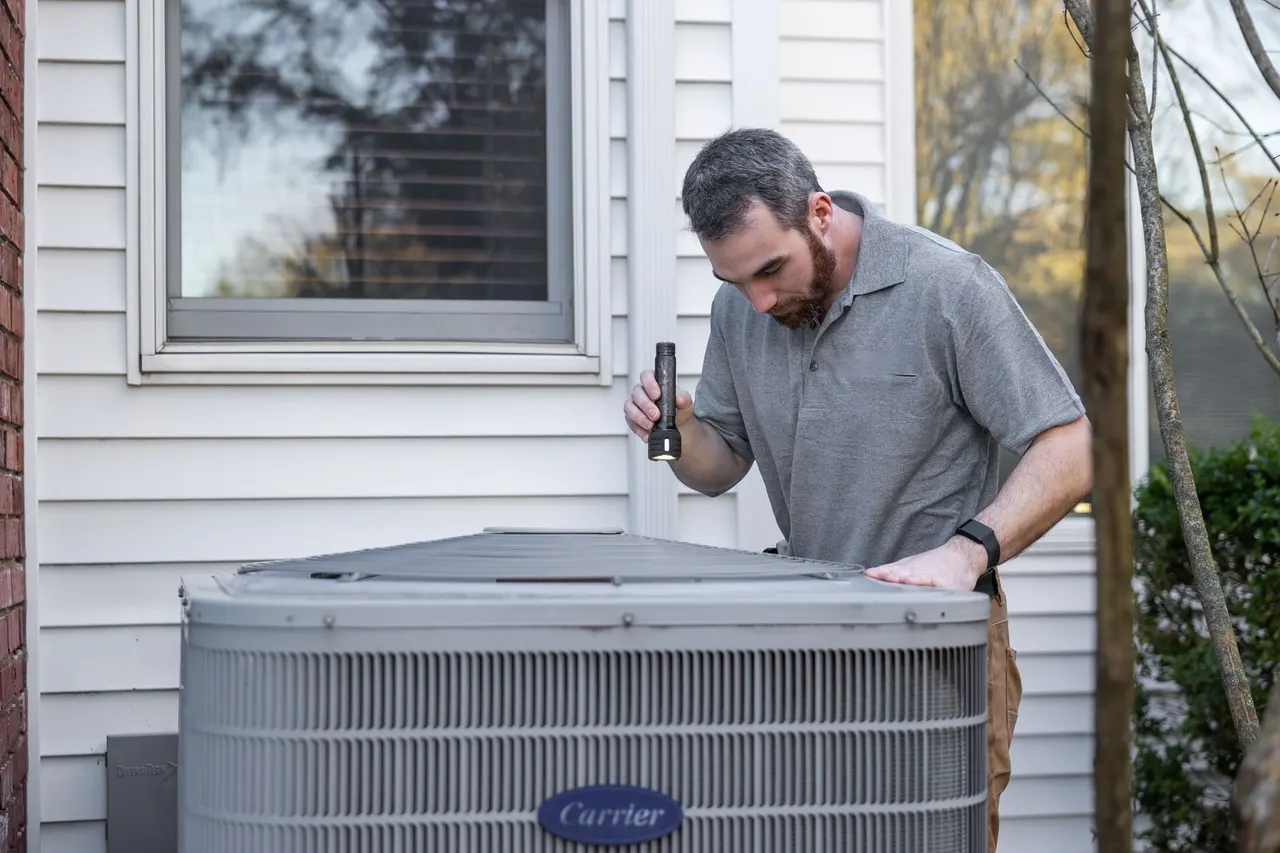
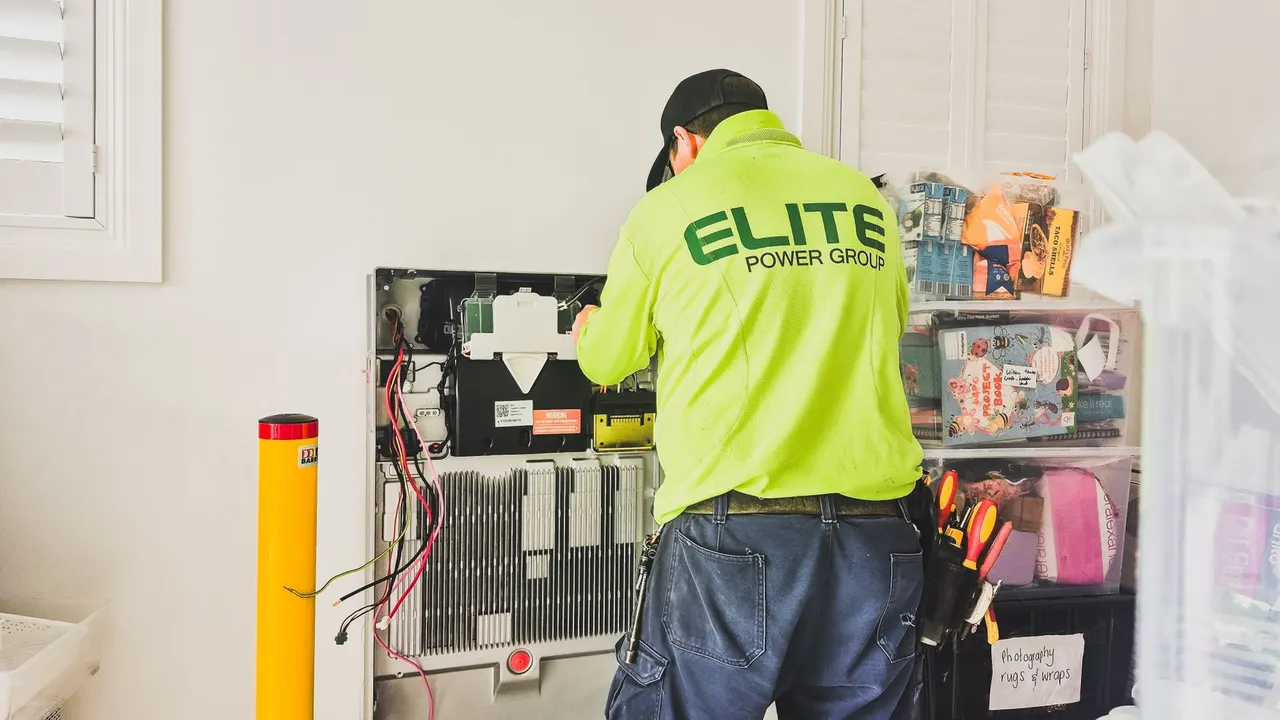
We test the pump in your crawl space, basement, or garage pit and show you the numbers. You get a written report on every component before we leave.
We test sump systems in commercial buildings, HOAs, and rental properties. Each unit gets its own report so you can track condition over time.
Sump pump testing Naples FL is a hands-on inspection that simulates a real flood event inside your sump basin. We fill the pit with water, watch the float switch trip, time how long the pump takes to clear the basin, and check that the check valve holds pressure on the way out. We also test the battery backup system under load, inspect the discharge line for clogs or cracks, and listen to the motor for bearing noise. A full test takes 45 to 90 minutes depending on pit depth and pump type.
Naples sits on a high water table, and from June through September the ground is already saturated before a storm even arrives. A pump that ran fine in February can stall in July when the float switch sticks or the discharge line clogs with grit. That is why we recommend a sump pump check Naples residents can schedule every spring, plus a second look after any named storm. If you have ever woken up to a wet floor, you already know why this matters.
We fill the pit, cycle the pump, and measure what the motor actually does under load.
Every test follows the same sequence, whether you have a Zoeller pedestal pump in a crawl space or a Liberty Pumps submersible in a basement pit. No shortcuts, no guesswork.
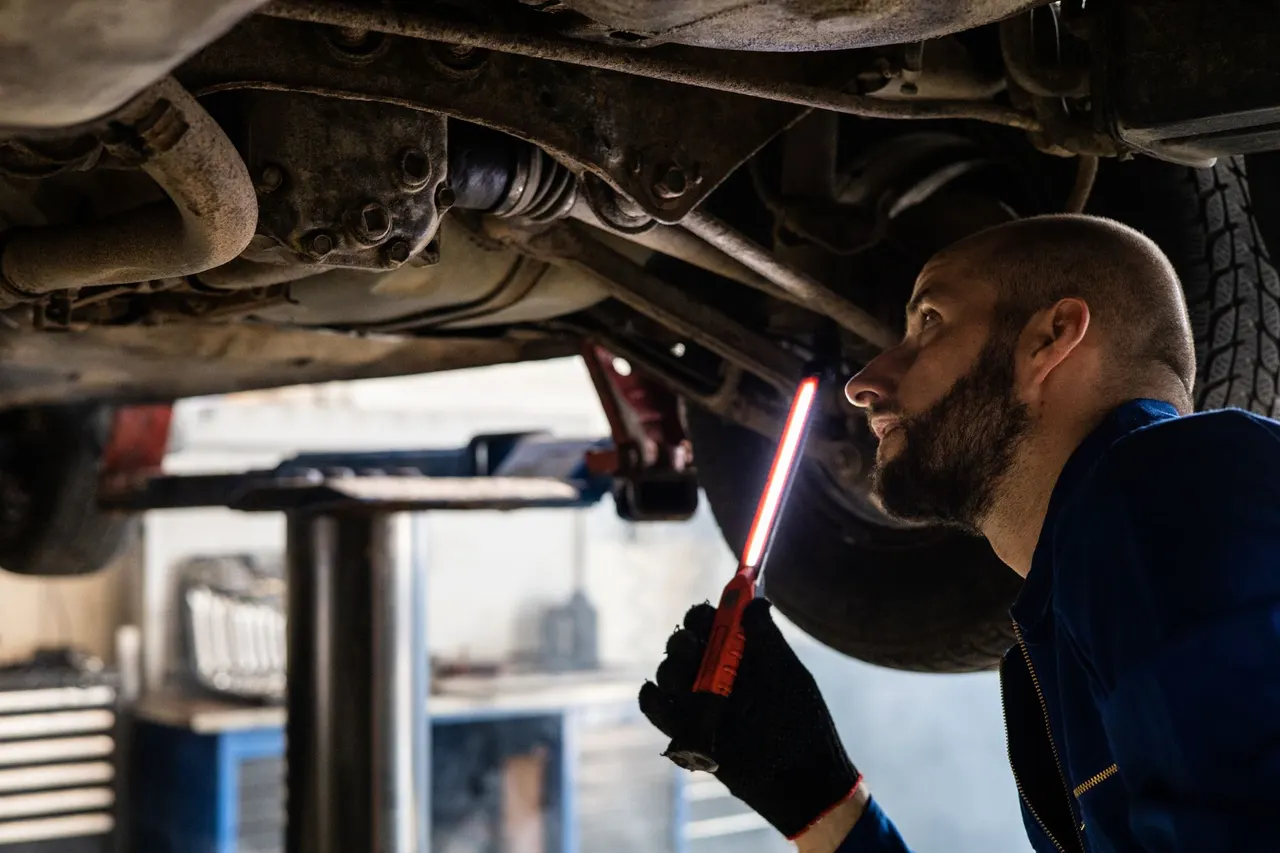
We pull the basin lid, check the sump pit liner for cracks, and look for rust, mineral buildup, or debris around the pump intake. We also inspect the check valve, discharge line connections, and any gaskets or sealant at the pit rim. This step takes 10 to 15 minutes and often reveals problems before we even add water.
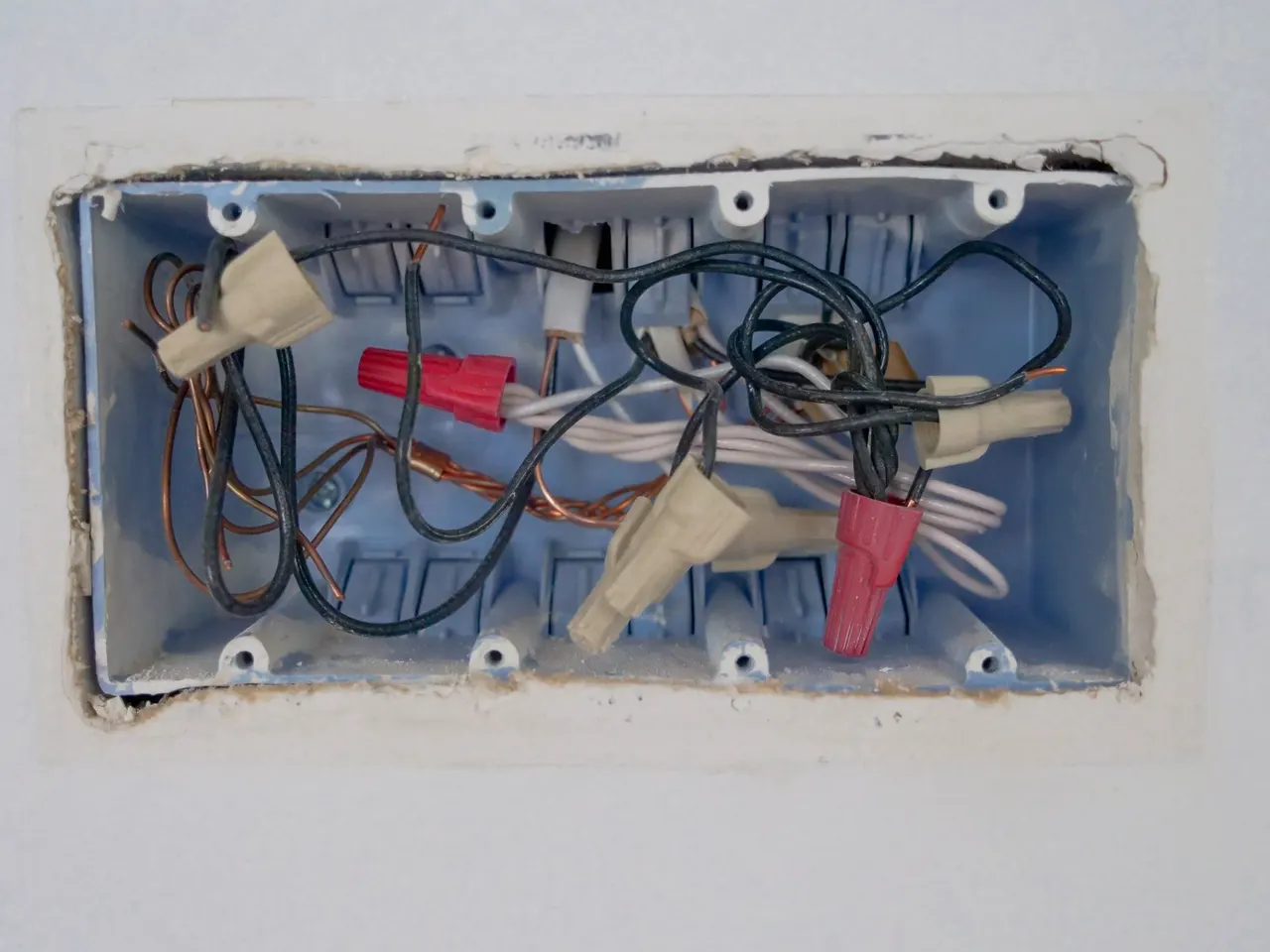
We fill the basin with a hose and cycle the float switch 10 times, timing each run. A healthy pump clears a standard 18-inch basin in 20 to 40 seconds. If the switch sticks, hesitates, or the pump short-cycles, we note it immediately and show you the reading on our meter.
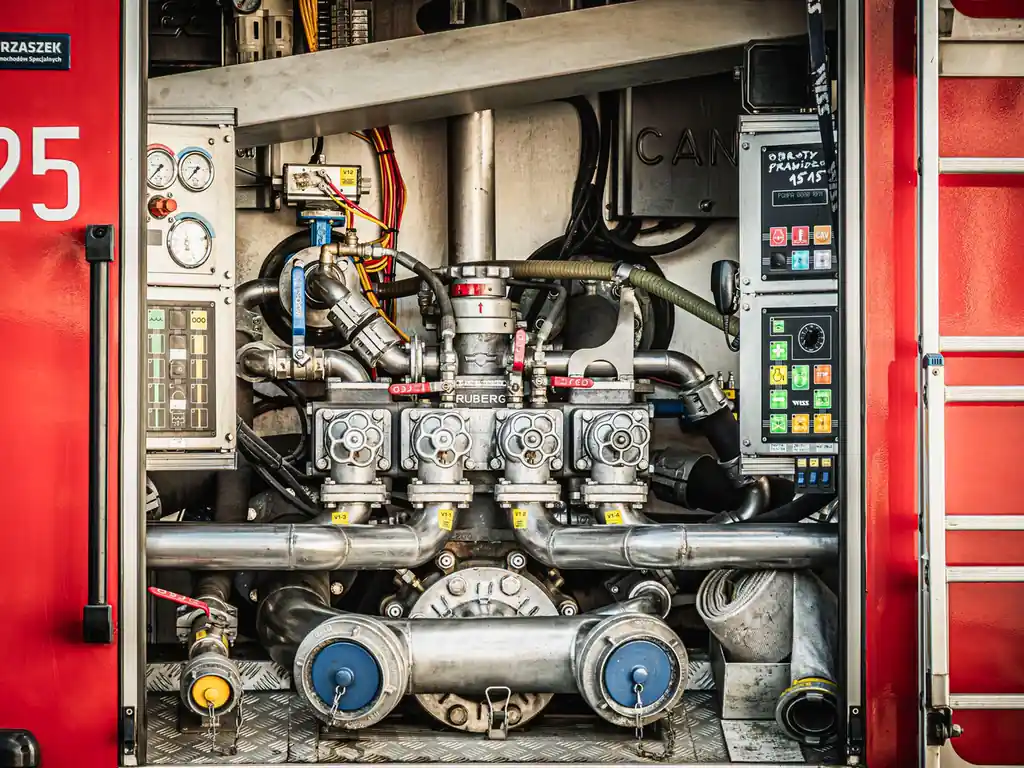
We confirm water exits the discharge line at full flow and that the check valve seals between cycles. A failed check valve lets water drain back into the pit, forcing the pump to run twice as often. We measure the backflow volume and replace the valve on the spot if it fails.
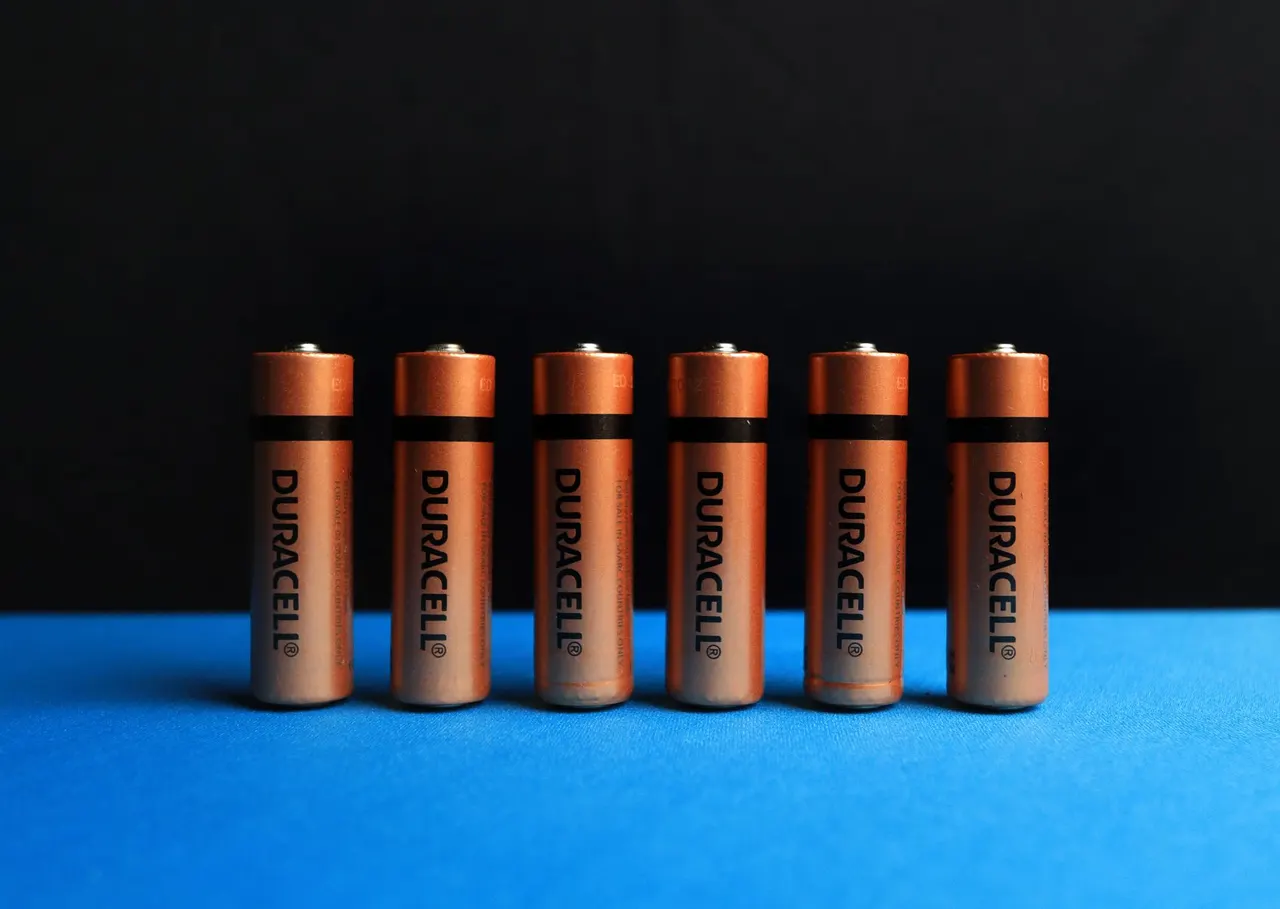
We kill power to the primary pump and trigger the battery backup system or water-powered backup pump. The backup must move water at a rate that keeps the pit from overflowing. We test the battery under load, check the charger output, and confirm the alarm sounds when the water level rises.
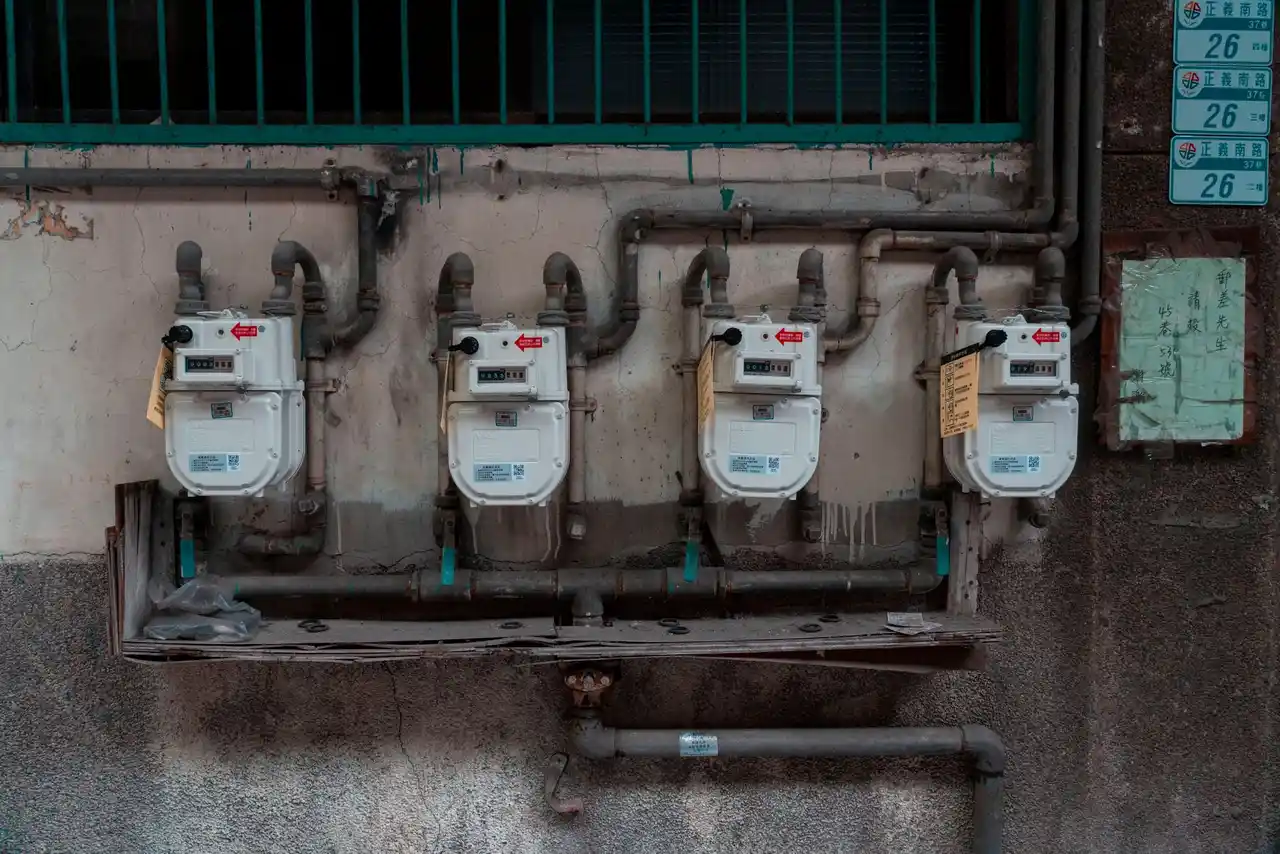
You get a one-page report with amp draw, cycle time, battery voltage, and a pass or fail on each component. If we find a failed float switch or a cracked basin, we quote the repair before we leave. No pressure, no surprise charges, just the facts on paper.

Measures amp draw on the pump motor and compares it to the nameplate rating. High amp draw signals a failing motor or a clogged impeller before the pump quits entirely.
Drains the backup battery to 50 percent and measures recovery. A battery that reads 12 volts but fails under load is the most common hidden failure we find.
Times each pump cycle to the tenth of a second. A healthy pump clears a standard basin in 20 to 40 seconds. Longer times mean a worn impeller or a restricted discharge line.

Measures water volume at the exit point. We compare it to the pump's rated flow to determine if the discharge line is partially clogged or undersized.

Slides into the discharge line to look for root fragments, gravel, or scale buildup. It shows us exactly where a clog is without digging up the line.

We stock float switches, check valves, and gaskets for the most common pump brands in Naples, so most repairs happen during the first visit.

We cycle the float switch 10 times instead of once. Intermittent failures often show up on the third or fourth cycle. If the switch hesitates even once, we flag it for replacement before it strands you during a storm.
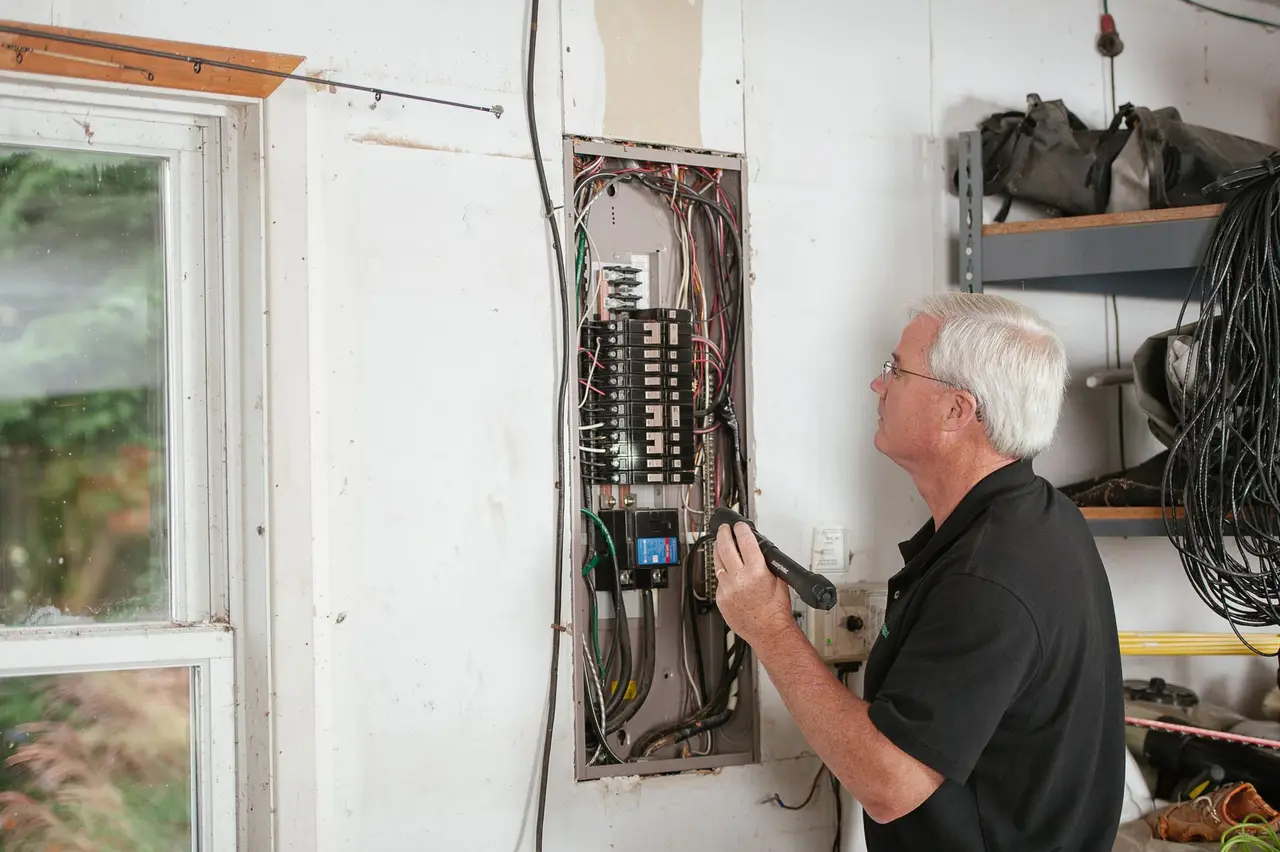
A voltage check tells you almost nothing about a backup battery. We drain it to 50 percent and measure recovery time. If it cannot recover under load, it will not run the backup pump when the power goes out.
We run a full test on the primary pump, float switch, check valve, and discharge line, then document everything in a written report. If the pump fails, you have leverage to negotiate the repair or replacement before you sign. You know exactly what you are buying and what it will cost to make the sump system reliable.
We test the full system and provide a written report with amp draw, cycle time, battery voltage, and component pass or fail. The report lists pump brand, model, and serial number for the adjuster. You have the documentation your insurer needs to process the claim without delays.
We schedule a spring test that covers the float switch, check valve, discharge line, and backup battery. If we find a weak part, we replace it on the spot so the system is ready before the first June storm. Your pump is verified and ready for the wettest months of the year.
We fill the basin, cycle the float switch, and test the motor under load. Pumps that sit idle often develop sticky switches and corroded connections. We clean the intake, test the circuit, and replace any failed parts. A pump that was a question mark becomes a system you can rely on.
Naples sits on a high water table, and by July the ground is already saturated. That means your sump pump is not a backup system, it is a primary defense. We test pumps differently here than in northern states because our storm season runs June through November and the water table stays high for months. A pump that passes a basic check in January can fail in August when the float switch sticks from mineral buildup. We schedule most full tests in April and May, before the rains start, and we recommend a second check after any named storm. If you are searching for professional sump pump testing Naples, we know the local failure patterns: clogged discharge lines from sandy soil, cracked basins in older homes, and backup batteries that die from heat in the garage. Our trucks carry the parts to fix these problems on the first visit.
A homeowner in East Naples called us in April because the pump had not run since the previous summer. The float switch stuck on the third cycle and the pump failed to start twice during our test. The basin was also full of sediment that had never been cleaned.
We replaced the float switch with a compatible Zoeller part, cleaned the basin, and flushed the discharge line. The pump now cycles in 28 seconds and passed all 10 test cycles. The homeowner avoided a flooded garage during a July storm that dropped four inches of rain in one night.
Test the float switch every spring and clean the basin annually. Sediment buildup is the leading cause of sticky switches in Naples, and a five-minute cleaning prevents most failures.
A property manager in Pelican Bay asked us to test six units before hurricane season. Five passed, but one backup battery read 12.4 volts and failed immediately under a 50 percent load. It had never been exercised since installation and was five years old.
We installed a new battery and charger, then ran the backup pump for a full minute to confirm it moved water at full rate. The alarm was tested and the report was filed with the HOA. When a storm knocked out power for six hours in August, the backup ran without issue.
Load-test backup batteries every six months. A voltage check is not enough. Heat in Naples garages kills batteries faster than cold climates, so plan on replacement every three to four years.
A homeowner in Golden Gate complained that the pump ran every 10 minutes even when it had not rained. Our test showed the check valve was letting water drain back into the pit, and the discharge line was partially clogged with sand and root fragments. Amp draw was 20 percent above the nameplate rating.
We replaced the check valve, flushed the discharge line, and cleared the clog with an inspection camera. Amp draw dropped back to normal and the pump now runs only when the basin fills. The homeowner estimates the fix will add years to the pump's life.
Flush the discharge line every spring and check the check valve for backflow. If the pump runs when it is dry outside, the check valve or the line is the first place to look.
Most sump pump failures start small: a sticky float switch, a slow discharge line, a battery that holds voltage but not load. Testing finds these problems while they are still cheap to fix.
We test the float switch through 10 cycles and check the electrical circuit for proper voltage. If the switch is sticking, we replace it with a compatible unit for your pump brand. Most no-start problems are solved in under an hour. The basin fills, water spills over the rim, and you get a flooded floor or crawl space. By the time you notice, the damage is already done and the pump may be submerged.
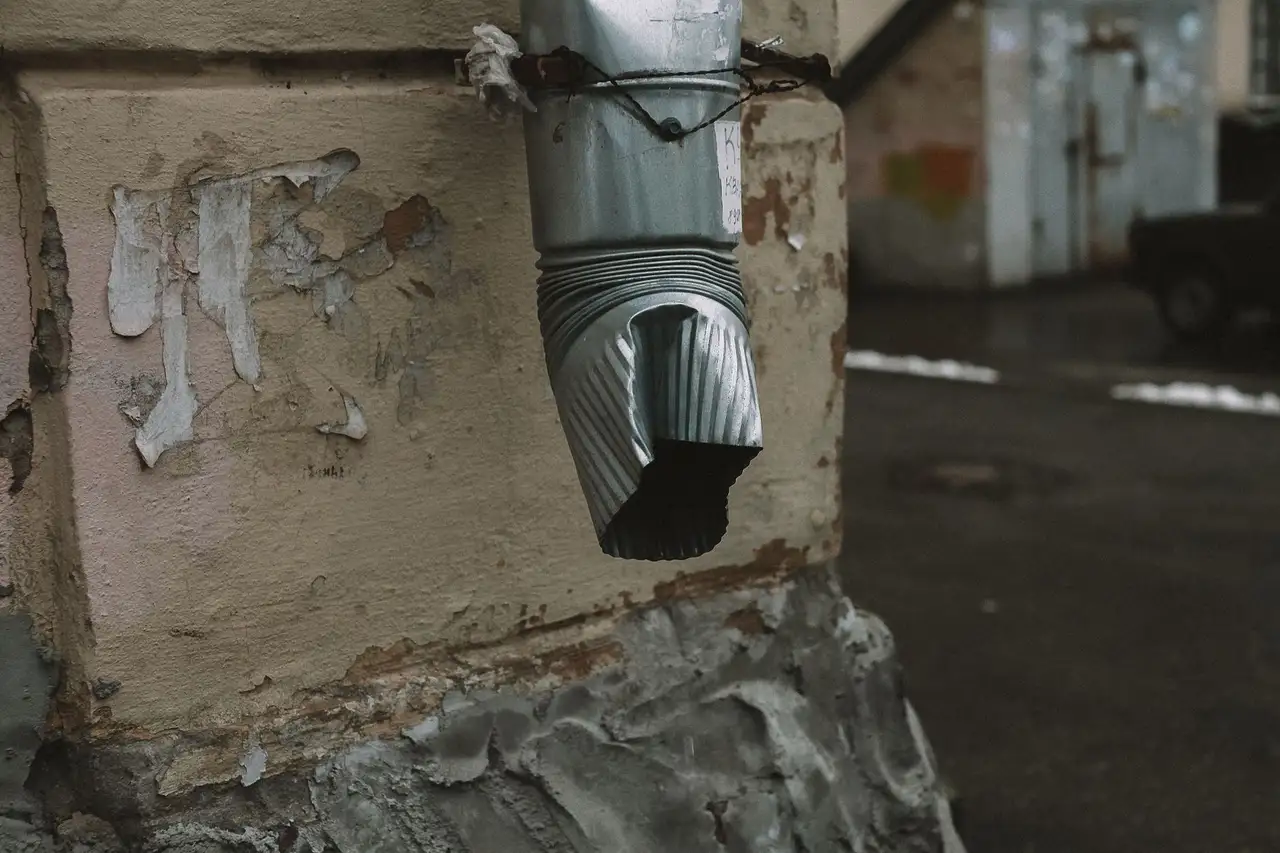
We flush the discharge line, test the check valve for backflow, and measure amp draw against the motor nameplate. A new check valve or a cleared line usually stops the short-cycling immediately. A pump that never shuts off burns through its motor in months instead of years. The noise usually means a clogged discharge line or a failed check valve letting water drain back into the pit.
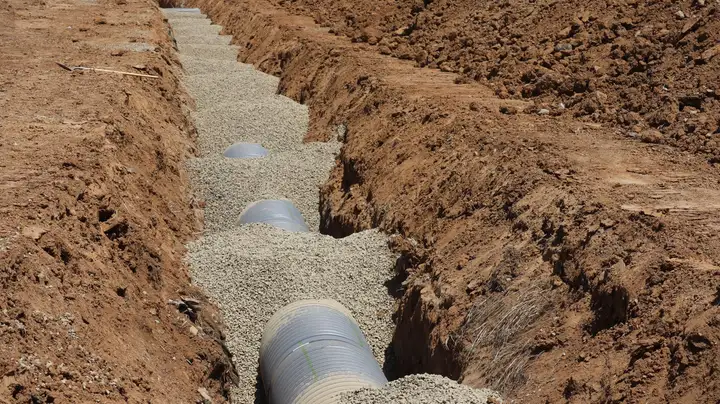
We load-test every backup battery to 50 percent and confirm the charger output. If the battery fails, we replace it and run the backup pump for a full minute to prove it works. We also test the alarm so you know when the water rises. The primary pump dies when the power goes out, and the backup does not start because the battery is dead or the charger failed. Your basement floods while you are waiting for the storm to pass.
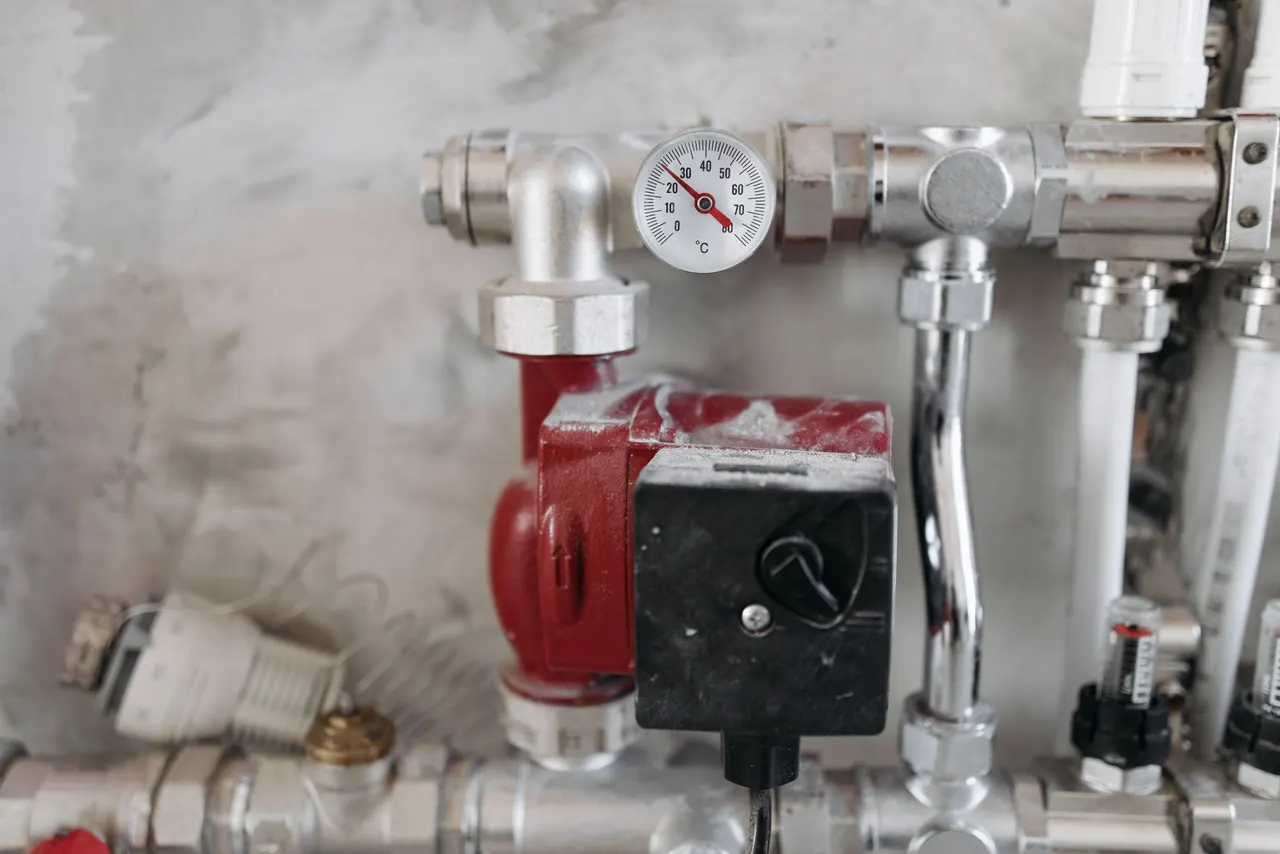
We inspect the basin and liner during every test. Small cracks can be sealed with epoxy, but badly damaged basins need replacement. We install a new basin sized to your pump and backfill with gravel for proper drainage. A cracked basin lets water enter from the sides, so the pump runs even when there is no rain. Over time the pit erodes and the pump sits unevenly, causing vibration and premature wear.
The float switch is the number one failure point on any submersible sump pump, and it usually sticks in the down position. We test it through 10 full cycles and measure the trip point. If it hesitates even once, we flag it for replacement before it strands you during a storm.
A backup pump that has never been load-tested is a guess, not a backup. We drain the battery to 50 percent, trigger a simulated outage, and confirm the backup moves water at full rate. Most dead batteries we find are 3 to 5 years old and have never been exercised.
Sand, gravel, and root fragments work their way into PVC discharge pipe over time. We flush the line, check the check valve for stuck flappers, and confirm water exits at the correct elevation. A partially clogged line makes the pump run constantly and shortens motor life by years.
After a flood claim, insurers want proof the system was maintained. Our written test report lists pump brand, model, amp draw, cycle time, and any defects found. It is the kind of paperwork that makes a claim adjuster's job easier and your payout faster.
Typical 2026 pricing for sump pump testing service Naples FL homeowners schedule runs $150 to $350. The price depends on pump type, pit depth, and whether you have a backup system that needs a load test. Crawl space pits take longer than basement pits because access is tighter. If we find a failed float switch or check valve, most replacements add $75 to $200 in parts and labor. We quote the repair before we start, so you never get a surprise bill.
What your estimate is based on
$150 - $350 for testing, plus $75 - $200 for common parts if needed A full test costs less than a single flooded floor repair. Most homeowners spend under $300 and walk away knowing exactly what condition their pump is in. If we find a problem, you fix it on your schedule, not during a storm.
Clear records you can keep and share.
Cycle time, amp draw, and component results
Repair pricing before we start work
Schedule for the next test date
Pouring water into the pit only proves the pump runs today. It does not test the check valve, the discharge line, or the backup battery under load.
A failed check valve lets water drain back into the pit after every cycle. The pump runs twice as often and wears out faster. We measure backflow to confirm the valve seals.
A backup battery can read full voltage and still fail under load. We drain it to 50 percent and measure recovery. That is the only way to know it will run the pump during an outage.
Sand and gravel restrict the discharge line over time. The pump works harder and clears the basin slower. We measure flow at the exit point and flush the line when it drops below the rated output.
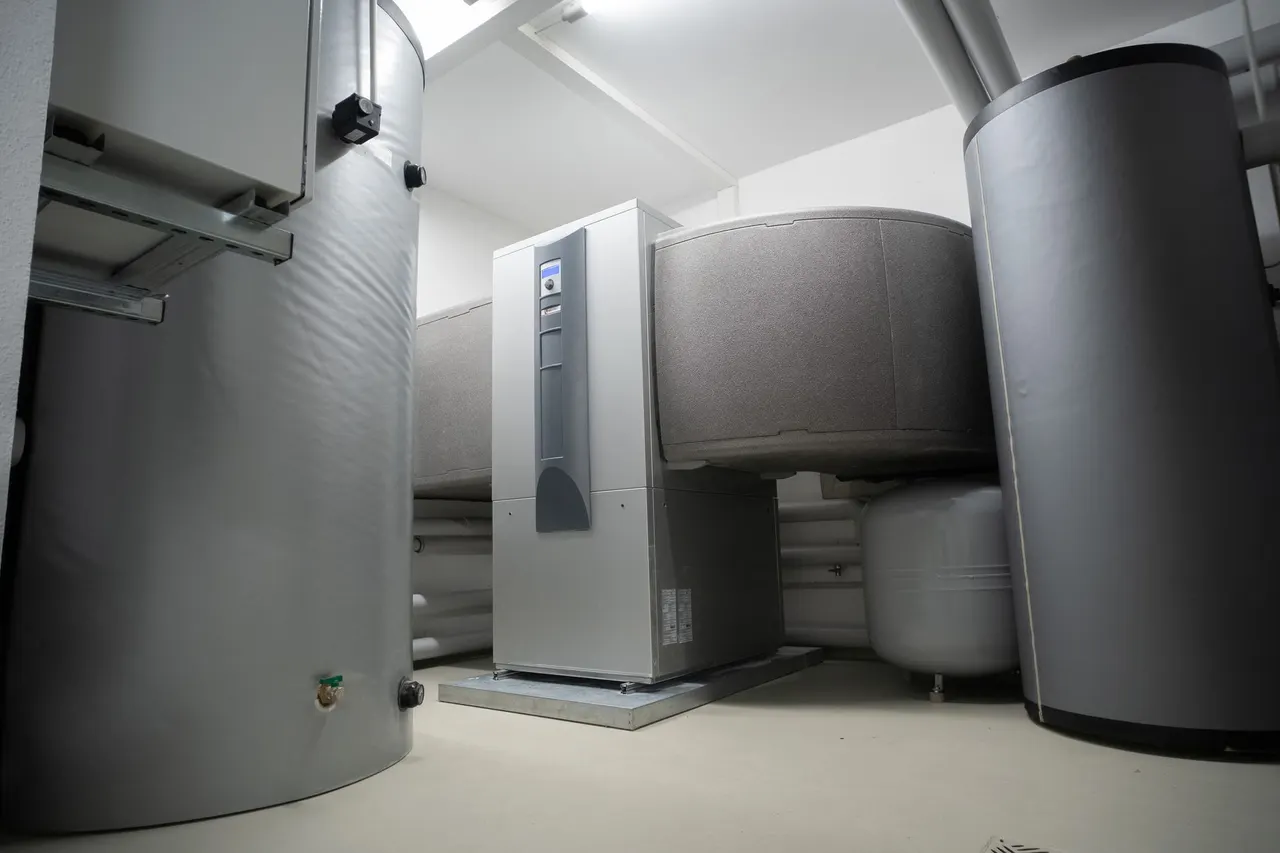
Outside these areas? Call and ask, we may still cover you. +12395220157
You can test the basics yourself by pouring five gallons of water into the basin and watching the float switch trip. If the pump does not start within a few seconds, or if it runs longer than 45 seconds to clear the water, call us. A professional test also checks the check valve, discharge line, and battery backup under load, which a bucket test cannot do.
Typical 2026 pricing for a full sump pump testing service Naples FL homeowners schedule runs $150 to $350 depending on pump type and whether you have a backup system. Crawl space pits and deep basins take longer. If we find a failed float switch or check valve, most replacements add $75 to $200 in parts and labor.
Test your sump pump every spring before the rainy season starts, and again after any named storm that drops more than three inches of rain. Pumps older than seven years should be checked twice a year. If your pump runs constantly or makes loud noise, test it immediately rather than waiting for the next scheduled check.
April and May are the best months for how to test sump pump before rainy season Naples FL homeowners ask about. The ground is still relatively dry, so you can see how the pump handles a full basin without fighting an already saturated water table. Testing in April gives you time to order parts and schedule repairs before June storms arrive.
One visit now costs far less than a flooded floor later. Call Naples Sump Pump Pros and we will test your float switch, check valve, discharge line, and backup system, then hand you a written report. Same-day appointments are often available.
Call us at +1 239-522-0157 or email [email protected]. We answer the phone during business hours and dispatch emergency calls after hours. Same-day estimates are available for most of Naples and Collier County. If you are not sure whether you need a repair or a full install, describe what you are seeing and we will tell you straight.