Repair TipsLocal Guides
Signs your sump pump discharge line is clogged or frozen
Spot the warning signs of a clogged or frozen sump pump discharge line in Naples FL before water backs up into your home. Local causes, fixes, and when to call us.
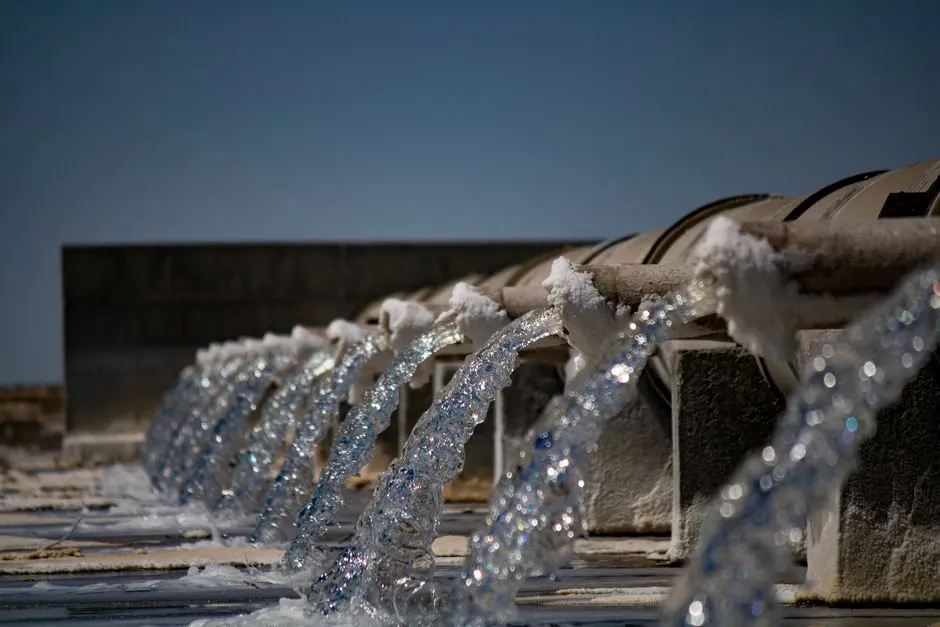
A sump pump discharge line that is clogged or frozen in Naples FL usually shows up as one of four things: the pump runs but no water leaves the pit, the pump cycles on and off every few minutes, water backs up into the pit or floor drain, or you hear a strained humming with no flow. If any of those match what you are seeing, the discharge line is the first place to check - not the pump itself. We are Naples Sump Pump Pros, and we clear, repair, and replace discharge lines across Collier County every week. This post walks through the exact symptoms, why they happen here, and what to do next.
What a clogged or frozen discharge line looks like
A clogged sump pump discharge line in Naples is a blockage inside the pipe that carries water away from your sump pit, and it stops the pump from emptying the pit no matter how hard the motor runs. The line is the pipe that exits your home - usually 1.5-inch PVC or flexible corrugated hose - and runs to a yard drain, curb, or storm outlet. When that pipe is blocked, the pump has nowhere to push water.
Here is what most homeowners notice first:
- The pump runs longer than usual. A healthy pump empties a standard 18-inch by 24-inch pit in 20 to 45 seconds. If yours runs for two or three minutes and the water level barely drops, the line is restricted.
- Short cycling. The float trips, the pump kicks on, water pushes back against the blockage, and the float drops again. You hear the pump start every 2 to 5 minutes.
- Water backing up at the pit or floor drain. This is the stage where damage starts. Water has to go somewhere, and it goes back into your crawl space or garage.
- No water at the discharge outlet. Walk outside during a rain event and look at where the pipe ends. If the pump is running and nothing is coming out, the line is blocked or frozen.
One more tell: a gurgling or bubbling sound from the pit. That is air being forced back through the check valve because the water cannot move forward. If you hear that, stop running the pump and get the line looked at.
Why discharge lines clog and freeze in Naples
Sump pump discharge line problems in Naples, Florida, come from two very different seasons - our wet summer and our occasional winter cold snaps - and both catch homeowners off guard. From June through September, Naples gets the bulk of its roughly 55 inches of annual rain, and that is when debris, sediment, and lawn clippings find their way into open-ended discharge lines.
The most common clog sources we pull out of lines here:
- Lawn debris and mulch. If the discharge outlet sits at grade level in a planting bed, every mowing session pushes clippings into the pipe.
- Sand and shell grit. Sump pits in eastern Collier County - think Golden Gate Estates and the acreage properties - pull fine sand in with the groundwater. That sand settles in low spots and elbows.
- Insect and lizard nests. An open 1.5-inch pipe is a perfect burrow. We have pulled mud dauber nests and even small tree frog nests out of discharge lines.
- Root intrusion. If the line terminates near a ficus hedge or oak, roots find the moisture and work their way in through joints.
- Ice at the outlet. More on this below, because it surprises people every January.
Freezing is rarer here than in Tampa or Atlanta, but it happens. On the handful of nights each winter when Naples drops to 32°F or below - most recently in the cold snaps of January 2025 and again in early 2026 - any water sitting in an above-ground discharge line can freeze solid. A 10-foot run of 1.5-inch pipe holds about 1 gallon of water. That gallon turns to ice, and the pump cannot push past it.
How do I know if my sump pump discharge line is clogged in Naples FL?
You know the discharge line is clogged when the pump runs but the water level in the pit does not drop, when you hear short cycling every few minutes, or when water backs up at the pit during or right after a heavy rain. Those three symptoms together are almost always a blockage, not a failed pump.
Here is a five-minute test you can run yourself. Unplug the pump, then disconnect the discharge pipe at the check valve. Pour a 5-gallon bucket of water into the open end of the line. If it drains freely, the clog is downstream in the yard run. If it backs up immediately, the blockage is close to the pit or inside the check valve itself. Either way, you now know where to focus.
If the line is clear but the pump still will not move water, the problem is on the pump side - a worn impeller, a stuck float, or a failed check valve. That is when a sump pump repair Naples FL visit makes more sense than guessing. We test the pump, the float, and the line together, because a discharge issue and a pump issue look identical from the outside.
Can a sump pump discharge line freeze in Naples?
Yes - a sump pump discharge line can freeze in Naples, and it typically happens on the two or three coldest nights of January or early February when the overnight low dips to 28°F to 32°F. It is uncommon, but it is real, and it is almost always the same setup that fails.
The lines that freeze share three traits:
- They run above ground. A pipe that exits the foundation and runs across the lawn at grade level is fully exposed to air temperature.
- They hold standing water. If the line slopes back toward the house instead of away, water sits in the low spot and freezes there.
- They lack insulation or a freeze guard. A 1.5-inch PVC line with no foam sleeve loses heat fast on a 30°F night.
Signs of a frozen discharge line in Naples Florida look like this: the pump hums but nothing moves, the pipe is cold and solid to the touch, and the blockage appeared overnight after a cold front. If you tap the pipe and it sounds dull instead of hollow, you are probably tapping ice.
The fix is straightforward. We thaw the line, then correct the slope so water drains out after every cycle instead of sitting in the pipe. On homes where the outlet has to stay above grade, we install a freeze-resistant discharge setup with proper pitch and insulation. If you want that done right the first time, our sump pump discharge line installation Naples FL service covers slope, termination point, and freeze protection in one visit.
What to do if your discharge line is frozen
What to do if your discharge line is frozen in Naples: stop running the pump, thaw the line safely, and then fix the slope so it does not happen again. Running a pump against a frozen line for more than a few minutes overheats the motor and can burn out the float switch.
Safe thawing steps:
- Unplug the pump. Do not let it cycle against a blocked line.
- Find the frozen section. It is usually the lowest point or the outdoor run. Feel along the pipe for a cold, solid spot.
- Apply gentle heat. A hair dryer on low, or warm - not boiling - water poured over the pipe. Never use a torch or open flame on PVC. It will crack.
- Work from the outlet backward. Thaw the end first so meltwater has somewhere to go.
- Test with a bucket. Once it flows, pour 5 gallons through and confirm it drains completely.
If the line is buried and you cannot reach the frozen section, or if it refreezes the next night, call us. We carry thawing equipment and can usually clear a residential line in under an hour.
Common mistakes we see on discharge line repairs
The same four mistakes show up on almost every discharge line we inspect in Collier County. Fixing them is cheap. Ignoring them is what leads to flooded crawl spaces and ruined flooring.
- Discharging too close to the foundation. If the pipe ends 2 feet from the house, all that water comes right back to the same soil the sump is trying to drain. Ten feet minimum, and slope it away.
- Running the line uphill or flat. Water has to flow by gravity after it leaves the pump. Any back-pitch leaves standing water that freezes in winter and grows algae in summer.
- Skipping the check valve. Without one, every cycle sends water back down the line and re-triggers the float. That is the number one cause of short cycling we find.
- Using flexible corrugated hose outdoors. It sags, traps water, and gets chewed by rodents. Rigid PVC or schedule 40 pipe lasts years longer in the Florida sun.
If your line has any of those issues, a sump pump discharge line repair Naples FL visit is usually a one-trip fix. We re-pitch the run, replace the check valve if needed, and confirm the outlet is far enough from the foundation.
When to call a professional
Call a professional when the pump runs but the pit will not empty, when water has already backed up into your crawl space or garage, or when the line has frozen twice in the same winter. Those three situations point to a problem that a bucket test will not solve - a blocked buried line, a failed check valve, or a pump that is on its way out.
We handle discharge line work every day across Naples, from older homes in the Coquina Sands and Lake Park neighborhoods - where original 1980s plumbing is still in the ground - to newer builds out in Ave Maria and the acreage off Immokalee Road. Different soil, different failure modes, same fix: find the blockage, correct the slope, and test the whole run before we leave.
If you are not sure whether the issue is the line or the pump, our sump pump inspection Naples FL covers both. We test flow, check the float and check valve, and camera the discharge run if the blockage is buried. You get a straight answer on what needs fixing and what does not.
Frequently Asked Questions
How do I know if my sump pump discharge line is clogged in Naples FL?
The clearest sign is a pump that runs for 2 to 3 minutes without the pit water level dropping. Short cycling every 2 to 5 minutes, gurgling at the pit, or no water at the outdoor outlet all point to a clog. A 5-gallon bucket test at the check valve confirms it in about five minutes.
Can a sump pump discharge line freeze in Naples?
Yes. On the two or three nights each winter when Naples drops to 28°F to 32°F, standing water in an above-ground discharge line can freeze solid. A 10-foot run of 1.5-inch pipe holds about 1 gallon of water, and that is enough ice to block the pump completely.
What are signs of a frozen discharge line in Naples Florida?
The pump hums but no water moves, the pipe feels cold and solid when you tap it, and the problem appeared overnight after a cold front. Ice usually forms at the lowest point of the run or at the outdoor outlet, and it clears once that section thaws.
How much does discharge line repair cost in Naples?
Typical 2026 pricing in this area runs $150 to $350 for clearing a clogged line, and $400 to $900 to re-pitch or replace a full outdoor run with rigid PVC and a new check valve. Buried line replacement costs more because of the digging.
Can I just let the pump run until the line clears?
No. Running a pump against a blocked or frozen line for more than a few minutes overheats the motor and can burn out the float switch. Unplug the pump, clear the blockage, then test with a bucket before you plug it back in.
Get help with sump pump installation in Naples
If your discharge line is clogged, frozen, or pitched wrong, we can clear it, repair it, or replace the whole run - and if the pump itself is failing, we handle sump pump installation Naples FL as well. One call, one visit, and your pit is draining the way it should.
Call Naples Sump Pump Pros at +12395220157 and we will get a technician out to diagnose the line and give you a straight price before any work starts.